
 Login
Login
Russia quietly lets refiners sell lower-grade Euro-3 fuel as drone strikes squeeze supply
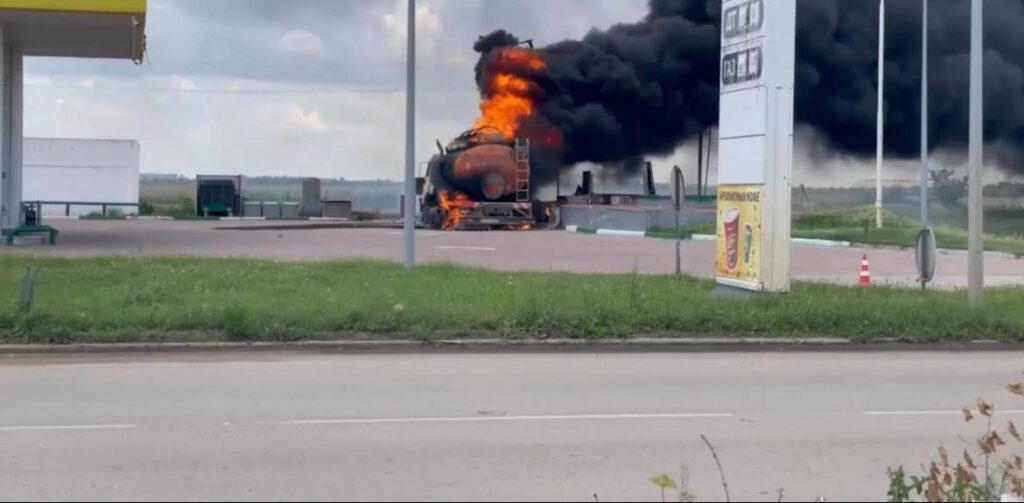
Russia is trading fuel quality for quantity. To keep pumps supplied as drone strikes cut into refining, the government is letting some refineries sell dirtier, lower-grade gasoline and diesel on the home market, the business daily Kommersant reported, citing a source.
Gasoline can also carry more aromatic hydrocarbons and octane-boosting additives.
Fuel sold under the Euro-5 label can now contain up to 150 milligrams of sulfur per kilogram—15 times what that grade allows. The easing began quietly last autumn and was extended in May.
Gasoline can also carry more aromatic hydrocarbons and octane-boosting additives, the Kommersant report found. Only refineries modernizing under deals with the Energy Ministry qualify, and the ministry must report to the government each month on who makes the fuel and in what volume.
The fuel keeps its Euro-5 label, with no marking to flag the lower grade, so drivers cannot tell what they are buying, Za Rulem reported.
Supply problems have hit around a dozen regions.
No official decree has been published, and market sources said only isolated cases of refineries producing the lower grade had occurred so far. Wholesale AI-95 gasoline and diesel rose about 10% in the first half of June. Supply problems have hit around a dozen regions, and the number of drone strikes on Russian refineries has roughly doubled since the start of 2026.
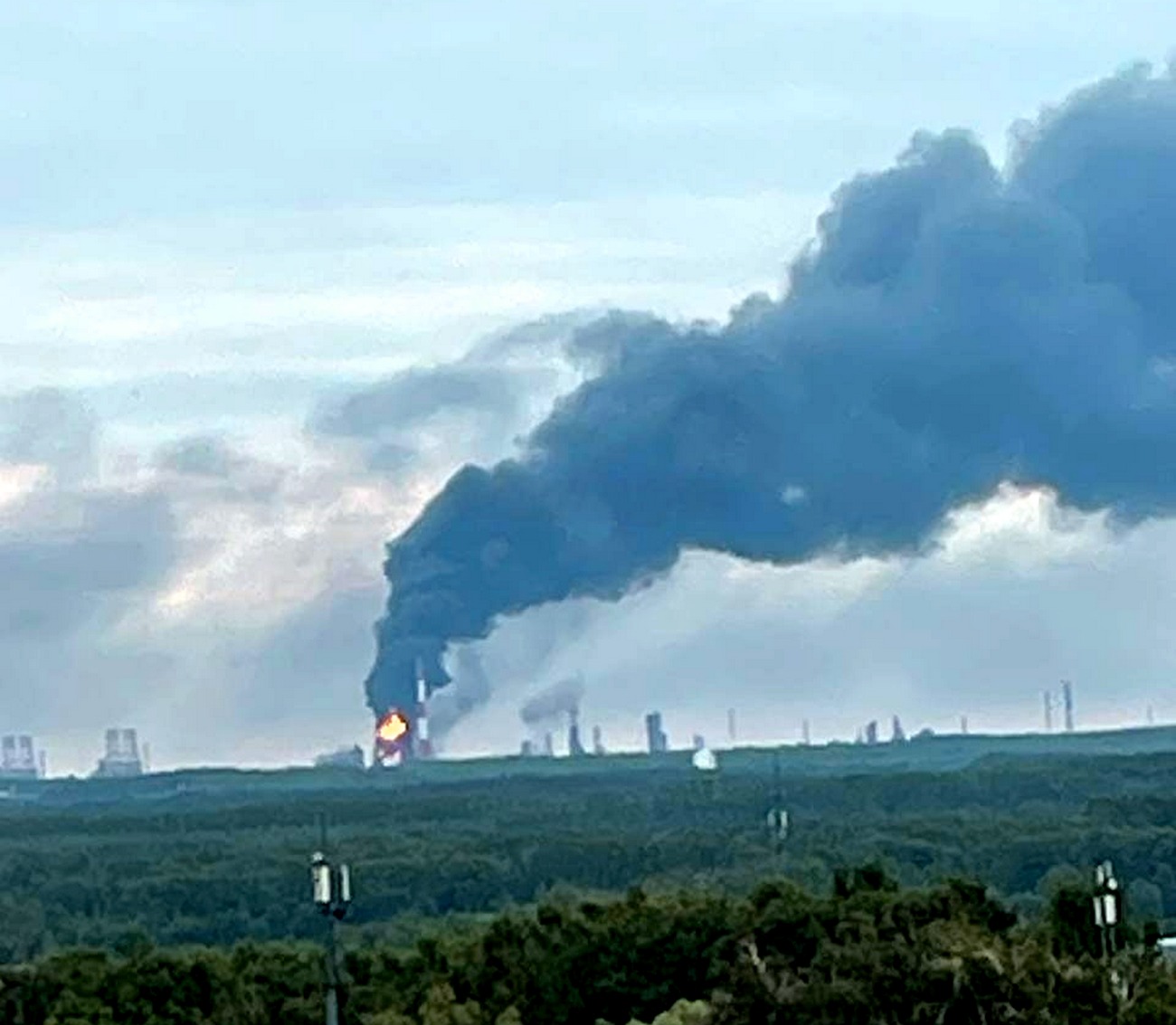
Fuel shortages reach Moscow and St. Petersburg as Ukraine’s strikes squeeze Russian refining
Even so, the change will not end the shortage. The additional volumes can only partially ease regional shortfalls, NEFT Research managing partner Sergey Frolov told Kommersant.
The extra sulfur and aromatic compounds speed wear on engines, catalytic converters, and exhaust systems, Novaya Gazeta reported. The aromatics are also toxic compounds tied to health problems, Reuters noted.
“How can it be solved, how? Only if the special military operation ends.”
Tatneft, meanwhile, limited gasoline and diesel sales across its entire Russian network on 16 June and moved to cash-only payments, without giving a reason or an end date. In the Urals, its stations cap sales at 30 liters of gasoline and 60 liters of diesel per customer.
In Russian-occupied Sevastopol, drivers lined up for fuel on 15 June. One, who gave only her first name, doubted the shortages would ease while the war went on. “How can it be solved, how? Only if the special military operation ends,” Reuters quoted Alyona as saying.
