Normal view

Escalação do Brasil tem seis remanescentes da estreia na Copa do 2022; veja quais

13 June 2026 at 21:39

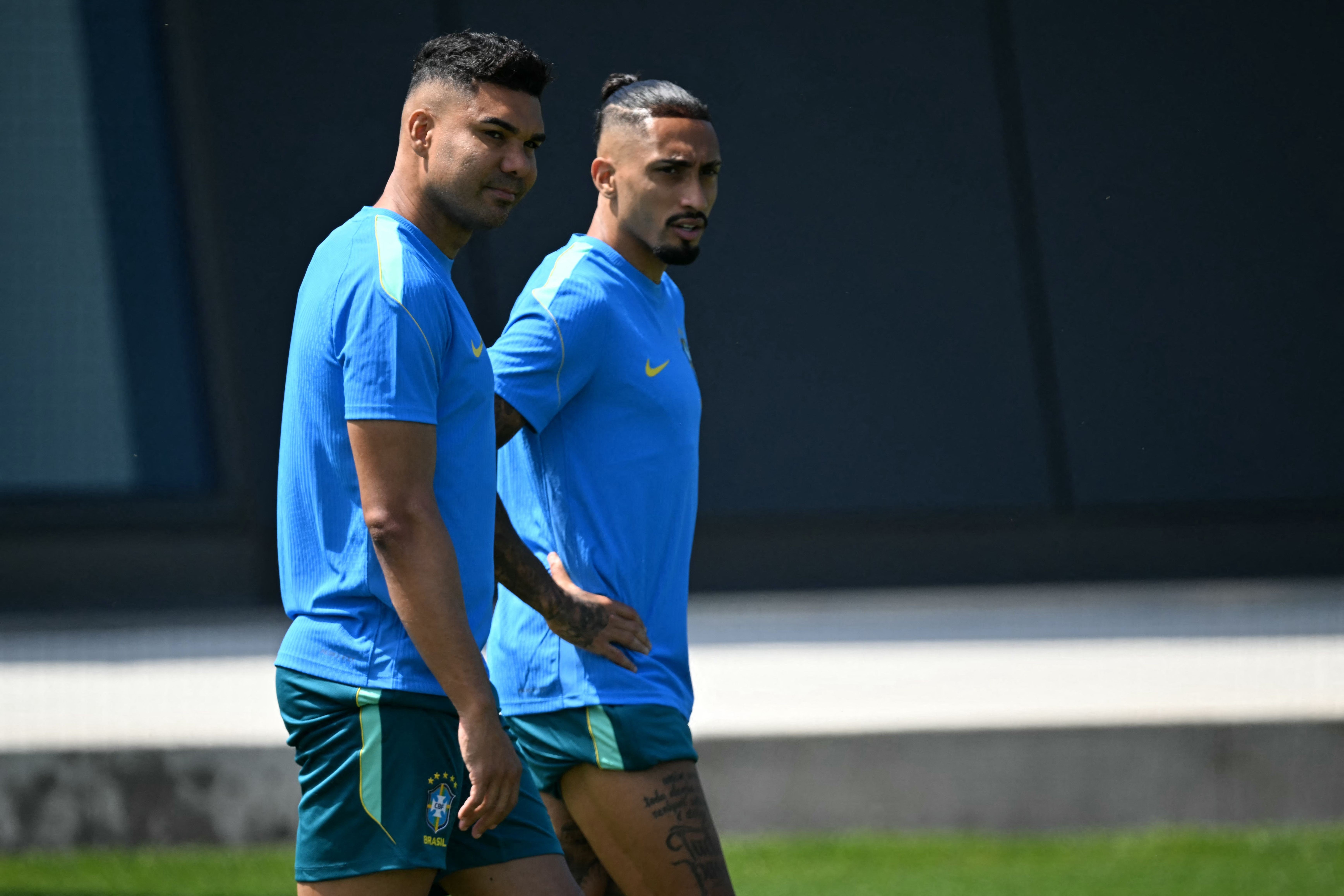
O Brasil estreia na Copa do Mundo 2026 com seis remanescentes da estreia em 2022. A escalação da seleção para a partida com o Marrocos, pelo Grupo C da competição, foi divulgada na tarde desta sexta-feira, pouco mais de uma hora antes da partida. Dos 11 titulares na estreia de 2022, diante da Sérvia, o Brasil volta com Alisson, Marquinhos, Casemiro, Lucas Paquetá, Vini Junior e Raphinha. A vitória por 2 a 0 sobre a Sérvia, no Catar, teve ainda Danilo, Thiago Silva, Alex Sandro, Neymar e Richarlison no time titular. Destes, só Thiago Silva e Richarlison não integram o grupo de 2026.

Quem é Igor Thiago, novidade na escalação do Brasil para estreia contra o Marrocos na Copa do Mundo

13 June 2026 at 21:37

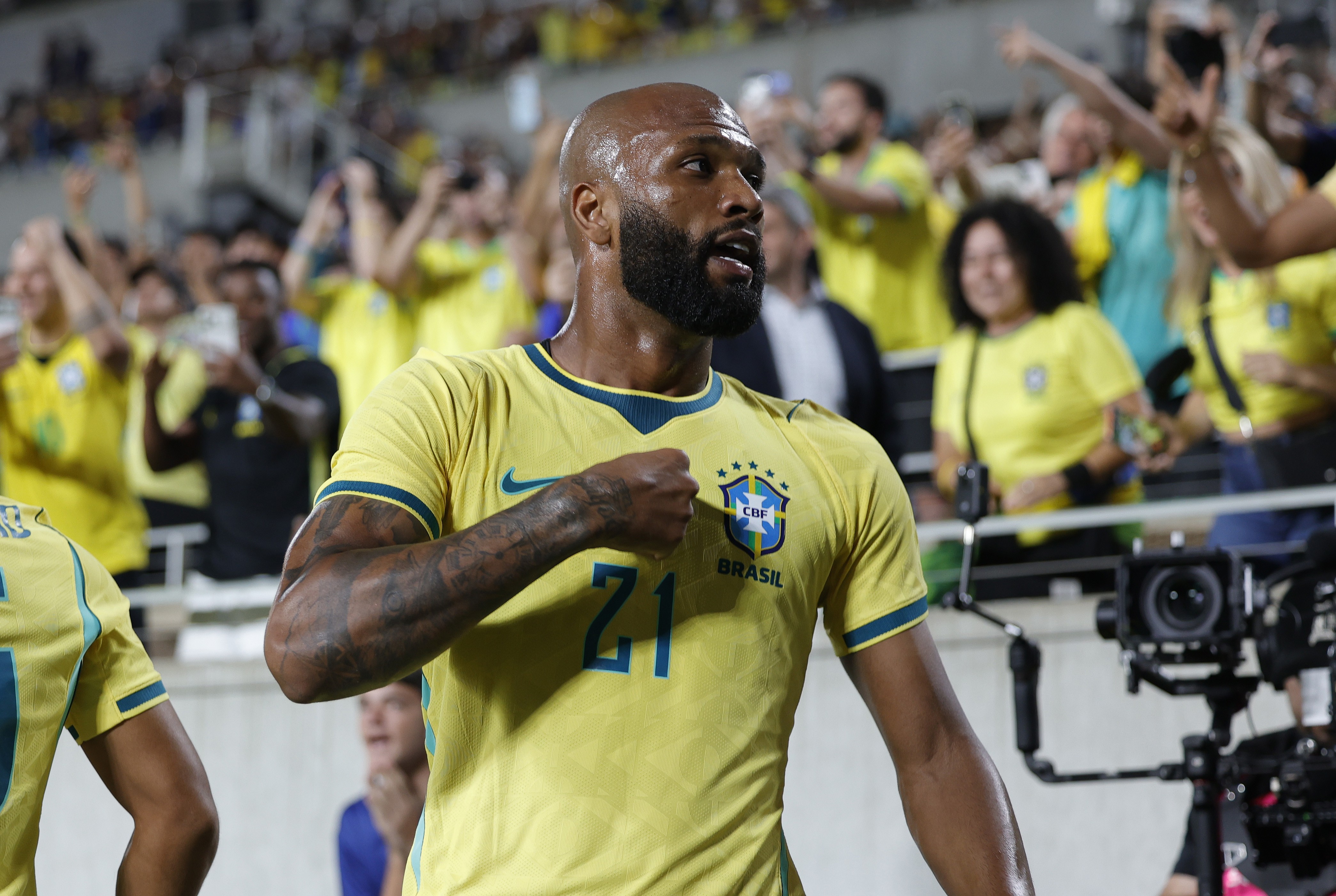
Igor Thiago é uma das novidades no time titular do Brasil para estreia contra o Marrocos na Copa do Mundo, neste sábado, às 19h (de Brasília), no MetLife Stadium, em Nova Jersey-EUA. Um dos outsiders entre os atletas testados no ciclo, o centroavante de 24 anos cravou seu lugar no Mundial com a segunda melhor temporada da carreira, de vice-artilharia na Premier League, com 22 gols (mais uma assistência) pelo Brentford-ING. Entrevista: 'A paternidade salvou Igor Thiago da depressão': mulher do camisa 25 da seleção revela que ele cogitou se matar Veja: Com Igor Thiago titular, Brasil está escalado para a estreia contra Marrocos Igor é um centroavante de ofício, de área e força, que prioriza o último toque. Um perfil que fez falta em outras Copas e que ainda não havia aparecido no atual ciclo — João Pedro, que ficou de fora da lista, é um centroavante mais móvel, de associação. Uma aposta de Ancelotti para os vários cenários que uma Copa do Mundo pode oferecer. Taticamente, é uma opção que pode segurar a marcação e criar espaço no campo para os vários atacantes de lado e meio-campistas versáteis da equipe. Além de correr nas costas da defesa, quando necessário. Igor Thiago recebe abraço de Endrick ao comemorar gol em Brasil x Croácia Rafael Ribeiro / CBF Igor Thiago fez sua estreia no amistoso com a França e marcou o primeiro gol com a Amarelinha em pênalti cobrado diante da Croácia, na última data Fifa. Foram suas primeiras e últimas chances antes da convocação para a Copa. A temporada no Brentford é a segunda melhor de Igor porque seu desempenho pelo Club Brugge, da Bélgica, na temporada 2023/24 (29 gols e 6 assistências), motivou o investimento de 30 milhões de libras (R$ 212 milhões, na cotação da época) do clube inglês para tê-lo em seu elenco. Em seu segundo ano, cumpriu as expectativas e ajudou a equipe a brigar na parte de cima da tabela. Igor Thiago marcou duas vezes em empate do Brentford X/Brentford Balançar as redes não é um problema para Igor Thiago, mas a Copa do Mundo é o degrau máximo de exigência no futebol. Tanto pela duração curta da competição, quanto pela presença da elite mundial de atletas. Ainda que na Premier League, liga mais forte do mundo, ele já enfrente parte dessa elite, o atacante será um dos grandes testes de Ancelotti no Mundial. Nascido no Gama (DF) e com os primeiros passos dados na Cidade Ocidental, município de 91 mil habitantes, em Goiás, Igor Thiago trabalhou como pedreiro e panfleteiro ainda jovem, antes de crescer no esporte. Se profissionalizou no Cruzeiro, em 2020. Dois anos depois, se transferiu ao Ludogorets-BUL, clube pelo qual já se destacou (20 gols e 7 assistências) e que o colocaria a caminho de Bélgica e Inglaterra.

'Dark Horse': produtora diz que filme sobre Jair Bolsonaro custou R$ 75 milhões

13 June 2026 at 21:37

A produtora Go UP Entertainment, que produziu o filme "Dark Horse", sobre a vida do ex-presidente Jair Bolsonaro, declarou que o longa-metragem custou R$ 75 milhões. Desse montante, R$ 54 milhões foram gastos no exterior e R$ 20,9 milhões, no Brasil. Em dólar, o filme saiu por US$ 13,39 milhões. Esses valores foram informados à Justiça, no âmbito da investigação policial que apura supostas irregularidades na execução de um contrato de R$ 108 milhões entre a prefeitura de São Paulo e a ONG Instituto Conhecer Brasil para a instalação de 5 mil pontos de internet em vias públicas da cidade. Um dos pontos das investigações, reveladas pelo GLOBO, é saber se houve uso de recursos desse contrato na produção do filme, pois a empresária Karina Ferreira da Gama é dona tanto da ONG quanto da Go Up. Segundo um laudo produzido a pedido dos advogados de Karina da Gama, na defesa dela no processo, a origem dos recursos é privada. "Quanto à origem dos recursos financeiros, a perícia constatou que os ingressos vinculados ao projeto possuem origem privada, comprovada por contratos de investimentos, extratos bancários, documentos de remessa e demais registros financeiros disponibilizados para análise", diz o documento, assinado pelo perito particular Anísio Costa Castelo Branco. Laudo particular sobre gastos do filme "Dark Horse" Reprodução Após a inclusão do relatório no processo, a investigação entrou em segredo de Justiça. Também não há menções, no laudo, sobre os "contratos de investimentos", tampouco sobre os cerca de R$ 61 milhões que foram pagos a Flávio Bolsonaro pelo ex-banqueiro Daniel Vorcaro. Neste sábado, 13, completa-se um mês da divulgação dos áudios de Flávio cobrando os repasses de Vorcaro. "Tá num momento muito decisivo aqui do filme e como tem muita parcela pra trás, cara, tá todo mundo tenso e eu fico preocupado com o efeito contrário ao que a gente sonhou pro filme", diz o senador, em áudio enviado ao banqueiro em 8 de setembro de 2025. Ainda segundo o laudo enviado à Justiça, como forma de antecipar a produção de provas, os US$ 13, 39 milhões foram aportados pelo fundo Havengate Development Fund LP, sediado nos Estados Unidos e ligado ao advogado Paulo Calixto, aliado do ex-deputado federal Eduardo Bolsonaro. O currículo profissional de Calixto, porém, não inclui atuação na área financeira ou cinematográfica. Ele se apresenta como especialista em migração, com mais de 20 anos na área, e experiência perante órgãos como o U.S. Citizenship & Immigration Services (USCIS) e o Departamento de Estado dos EUA. O advogado também destaca atuar em processos ligados ao visto EB-5, modalidade que concede residência permanente a investidores estrangeiros. Investigação municipal Em outra frente, a Controladoria Geral do Município abriu uma investigação para apurar, entre outras questões, se os recursos dos contratos de wi-fi foram parar no filme sobre Jair Bolsonaro. Em 28 de maio, a corregedora-geral paulistana, Carolina Magnani Hiromoto, enviou um ofício ao delegado Luis Augusto Castilho Storni solicitando a colaboração policial para que as provas do inquérito policial sejam compartilhadas com a prefeitura. O pedido foi aceito pelo delegado. O processo na controladoria também está sob sigilo.

Com Igor Thiago titular, Brasil está escalado para a estreia contra Marrocos

13 June 2026 at 21:33

O Brasil está escalado para enfrentar o Marrocos na estreia da Copa do Mundo de 2026. A bola rola às 19h (de Brasília) no MetLife Stadium, em Nova Jersey, nos Estados Unidos. Confira a escalação: Alisson; Ibanez , Marquinhos, Gabriel Magalhães, Douglas Santos; Casemiro, Bruno Guimarães e Lucas Paquetá; Vinicius Júnior, Igor Thiago e Raphinha. Técnico: Carlo Ancelotti. Onde assistir ao vivo a Brasil x Marrocos? A partida terá transmissão da TV Globo, SBT, SporTV, N Sports, GeTV (Globoplay) e CazéTV (YouTube). Arbitragem de Brasil x Marrocos Árbitro: Slavko Vincic (ESL) Assistentes: Tomaz Klancnik (ESL) e Andraz Kovacic (ESL) Neymar vai ver o jogo do banco de reservas Ainda sem condições de jogo, Neymar ficará no banco de reservas como os demais jogadores, mas não será relacionado. Pela manhã, o atacante seguiu o planejamento do departamento médico e fez apenas fisioterapia.

Vídeo mostra tubarão de 3,5 metros perto da costa momentos antes de atacar mulher em Sidney

13 June 2026 at 21:31

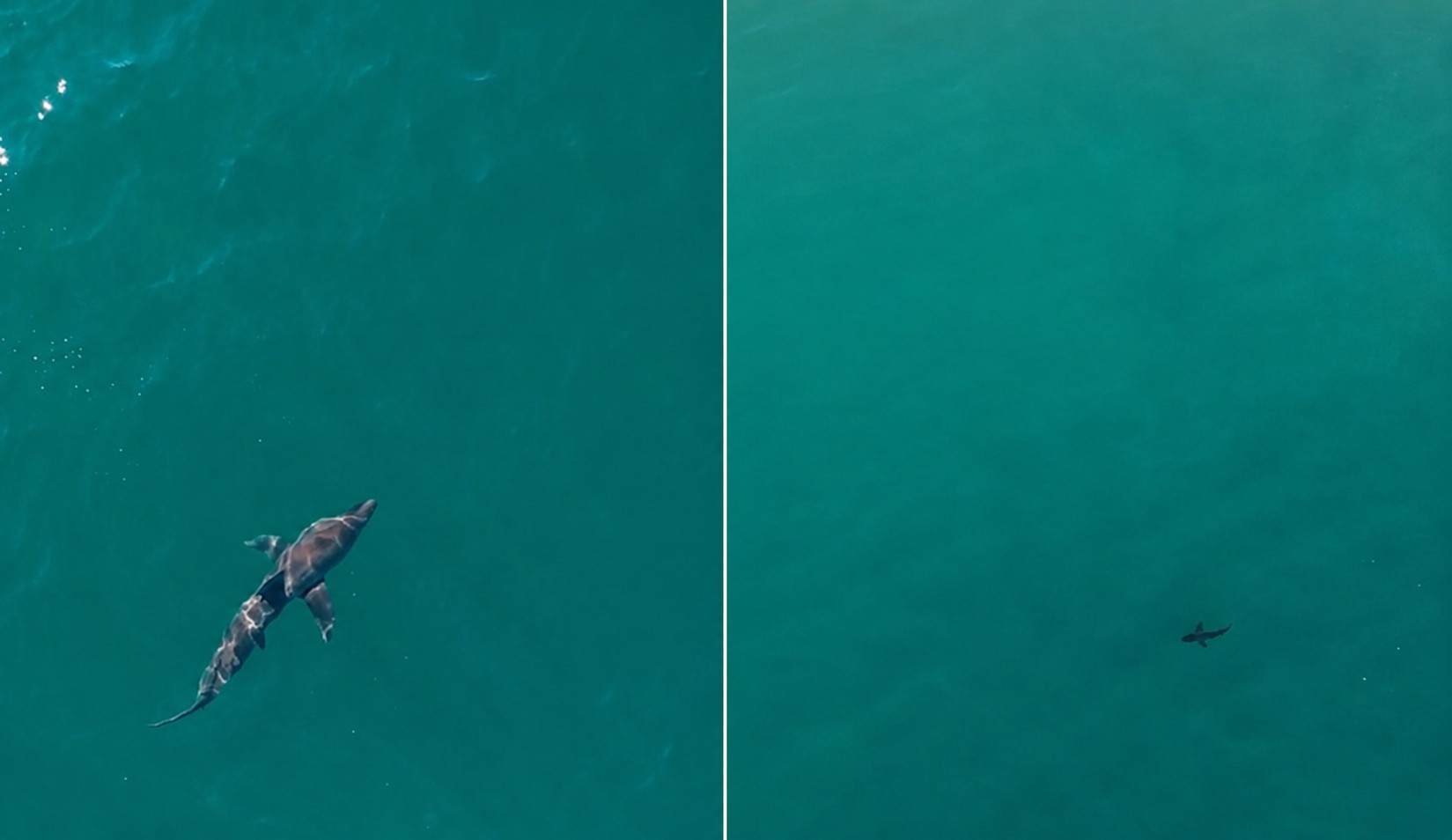
Uma banhista de 35 anos ficou gravemente ferida após ser atacada por um tubarão na manhã deste sábado (13) na praia de Coogee Beach, em Sydney, na Austrália. Antes do incidente, o animal já havia sido avistado por imagens aéreas captadas por um drone, que registrou o tubarão nadando em águas rasas da baía por cerca de 25 a 30 minutos, segundo informações do site News.au e de outros veículos de imprensa locais. Veja também: Mangueira gigante que apareceu em praia no Japão terá custo de R$ 1,6 milhão para remoção Conheça Cam Whitnall: Ativista resgatou cinco leões na guerra na Ucrânia e mostra evolução dos animais nas redes O ataque ocorreu por volta das 11h15, enquanto a mulher fazia voltas de natação próximo à faixa de areia, acompanhada de outras duas pessoas. Segundo testemunhas, um salva-vidas que estava em uma prancha correu para prestar socorro após ouvir gritos vindos da água. — Vi as barbatanas do tubarão. A nadadora estava fazendo voltas não muito longe da praia. O salva-vidas fez um sinal de X com os braços e o alarme de tubarão foi acionado — relatou uma testemunha ao portal. De acordo com relatos, havia muito sangue na água após o ataque. Testemunhas disseram ter ouvido alguém gritar “tubarão” momentos antes dos pedidos de socorro. Algumas estimativas apontam que o animal media até 3,5 metros de comprimento, sendo descrito como “do tamanho de um carro”. O morador Stephen Denneny afirmou que seu drone registrou o tubarão circulando pela baía durante vários minutos antes de seguir em direção ao local do ataque. As imagens reforçam que o animal já estava próximo dos banhistas antes do ataque acontecer. Initial plugin text Um salva-vidas que estava de folga também entrou na água para ajudar a vítima. Segundo relatos, o tubarão chegou a agarrar a mulher e arrastá-la antes que ela fosse resgatada. Com apoio de outros socorristas e banhistas, a nadadora foi levada até a areia, onde recebeu os primeiros atendimentos. Um médico que estava em momento de lazer na praia ajudou a estabilizar a vítima até a chegada das equipes de emergência. Ela foi encaminhada ao Hospital St. Vincent's em estado crítico, com ferimentos graves nos braços e nas pernas. A polícia de Nova Gales do Sul informou que a mulher foi retirada da água por populares, que iniciaram os primeiros socorros antes da chegada dos agentes e paramédicos. Um helicóptero de resgate também foi mobilizado para o atendimento, segundo o site. Após o ataque, todas as praias administradas pelo Conselho de Waverley foram fechadas por precaução. As autoridades orientaram nadadores e surfistas a permanecerem fora da água até novo aviso. Initial plugin text Chris Pepin-Neff, especialista em políticas de proteção contra tubarões da Universidade de Sydney ouvido pelo site, afirmou que o ataque foi "muito, muito estranho" por diversos motivos. Com base na temperatura da água relativamente fria, de 18 graus, nos recentes movimentos e avistamentos de tubarões e na natureza do ataque, Pepin-Neff disse que sua hipótese fundamentada é que o tubarão envolvido era um tubarão-branco. Nesta praia, são instaladas redes de proteção contra tubarões em parte do verão e outono, até o fim de abril. Nos meses do meio do ano, no entanto, a praia conta com linhas de pesca com isca smart, tecnologia de monitoramento que rastreia e alerta sobre a presença de tubarões em tempo real. Initial plugin text

Camisa retrô, 'Ancelotti da sorte' e resenha: a torcida dos famosos pelo Brasil antes da estreia da Seleção

13 June 2026 at 21:31

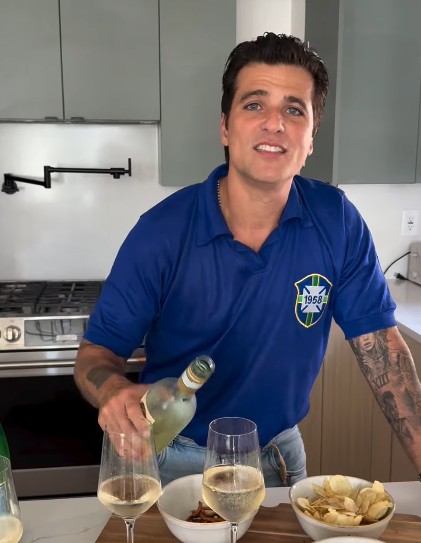
Na torcida pelo hexa, famosos mostraram como estão se preparando para a estreia da seleção brasileira na Copa do Mundo, que acontece neste sábado (13), às 19h (horário de Brasília), contra Marrocos, no MetLife Stadium (Nova York). Debora Secco surgiu em seu guarda-roupa com uma versão modernizada do uniforme usado pela Seleção em 2002. Deborah Secco Reprodução Instagram Ao som de País do Futebol, de Mc Guimê, Maisa postou uma foto direto de Nova York com uma camiseta mais básica: amarela, com um Brasil estampado em verde. Mc Guimê País do Futebol Maisa Reprodução Instagram O ator Bruno Gagliasso apareceu privilegiando uma estética retrô. A sua esposa Giovanna Ewbank postou um flagrante dele vestindo uma camisa azul da final de 1958 (o primeiro título do Brasil em copas) com o nome de Pelé nas costas. Ela também disse que a família está aprendendo a cantar o "grito de guerra" para o jogo. Bruno Gagliasso veste uma camisa do Pelé Reprodução Instagram Fernanda Paes Leme repassou um vídeo da Cazé TV com o "Carlo Ancelotti da sorte". "Repasse para o Brasil ser hexa". Initial plugin text Já o ator Murilo Benício lembrou de um antigo personagem seu, o jogador Tufão. "Escale Tufão que o hexa vem": Initial plugin text Ainda na categoria lembranças, Ana Maria Braga fez um pout-pourri de suas torcidas pelo Brasil em copas: Initial plugin text

Alerta falso sobre liquidação do Nubank ocorreu após funcionário acionar sistema de comunicação por engano

13 June 2026 at 21:28

A falha operacional que levou o Nubank a enviar mensagens sobre uma suposta liquidação extrajudicial ocorreu após um funcionário acionar por engano um sistema de comunicação usado em procedimentos de liquidação de instituições financeiras, informou o banco em nota neste sábado. A informação foi publicada pela Folha de S.Paulo e confirmada pelo GLOBO. Entenda: IPO da SpaceX está por trás da construção do 1º trilionário global Camisa do Brasil 2026: veja preços e diferenças entre os modelos oficiais Jogador e Torcedor; valor é alto... Na sexta-feira, clientes receberam mensagens afirmando que o banco estaria passando por uma liquidação extrajudicial pelo Banco Central (BC). O texto também informava que investimentos na instituição estariam cobertos pelo Fundo Garantidor de Créditos (FGC). O Nubank esclareceu que o episódio “foi resultado de um erro técnico pontual, identificado e corrigido rapidamente”. Copa do Mundo: carne mais cara muda cardápio do churrasco dos brasileiros para ver jogos da seleção "Foi identificado que um desenvolvedor acionou por engano um fluxo de comunicação relacionado à liquidação de instituições financeiras. Na ausência de uma instituição real vinculada a esse fluxo, o nome da companhia apareceu como preenchimento padrão", disse a instituição, em nota. Segundo a instituição, as comunicações indevidas alcançaram um grupo restrito de clientes e “não teve nenhum impacto sobre a segurança, a estabilidade da operação ou o funcionamento” dos serviços. Erro 'bizarro', diz fundadora do Nubank Ao responder seguidores no Instagram sobre o envio por engano das mensagens, a fundadora do Nubank, Cristina Junqueira, chamou o erro operacional de 'bizarro': “Cara, bizarro mesmo, mas foi isso mesmo, um erro operacional. Uma pessoa que submeteu um PR que acabou acidentalmente ativando o protocolo que existe quando algo assim acontece. As mensagens foram para uma parcela muito pequena de clientes, mas é claro que causa uns transtornos”, escreveu. A hiperinflação da Copa nos EUA: preço do ingresso da final aumentou 20 vezes entre a de 1994 e a deste ano. Veja os preços “Pedimos sinceras desculpas a todos que receberam a informação incorreta. Enfim, mais um aprendizado e já atuamos para que não aconteça de novo.” Cristina Junqueira não detalhou o significado da sigla "PR" mencionada na postagem. Na área de desenvolvimento de software, o termo costuma se referir a pull request, no qual alterações em códigos são submetidas para revisão antes de serem implementadas.

Torcedores do Marrocos cantam por Maradona e Messi e provocam Vini Jr antes da estreia contra o Brasil: 'Pare de chorar'

13 June 2026 at 21:10

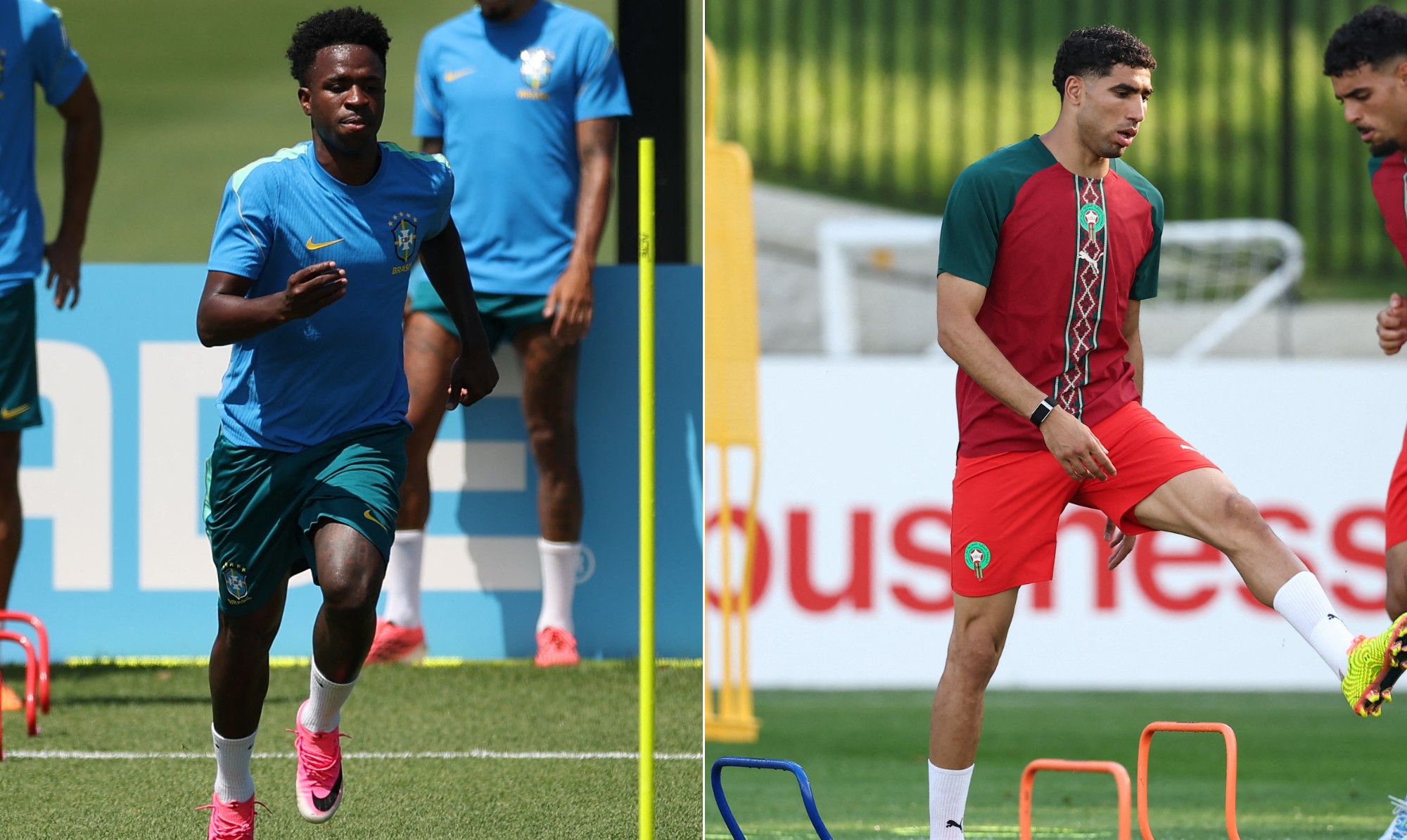
Os marroquinos demonstram confiança para a estreia na Copa do Mundo diante do Brasil, neste sábado, às 19h (de Brasília). Na chegada ao MetLife Stadium, em Nova Jersey-EUA, alguns torcedores cantaram os nomes de Maradona e Messi e ainda provocaram Vinicius Júnior, pedindo de forma irônica que o atacante brasileiro "parasse de chorar". Veja: Com Igor Thiago titular, Brasil está escalado para a estreia contra Marrocos Initial plugin text Entre as provocações, um torcedor chegou a cravar uma vitória marroquina por 3 a 0. As seleções se enfrentam pela primeira rodada do Grupo C. No outro duelo da chave, Haiti e Escócia duelam neste sábado, às 22h (de Brasília), no Gillette Stadium, em Boston-EUA.

Empolgado com a Copa do Mundo, prefeito de Nova York exalta Sócrates e a Democracia Corinthiana; veja vídeo

13 June 2026 at 21:02

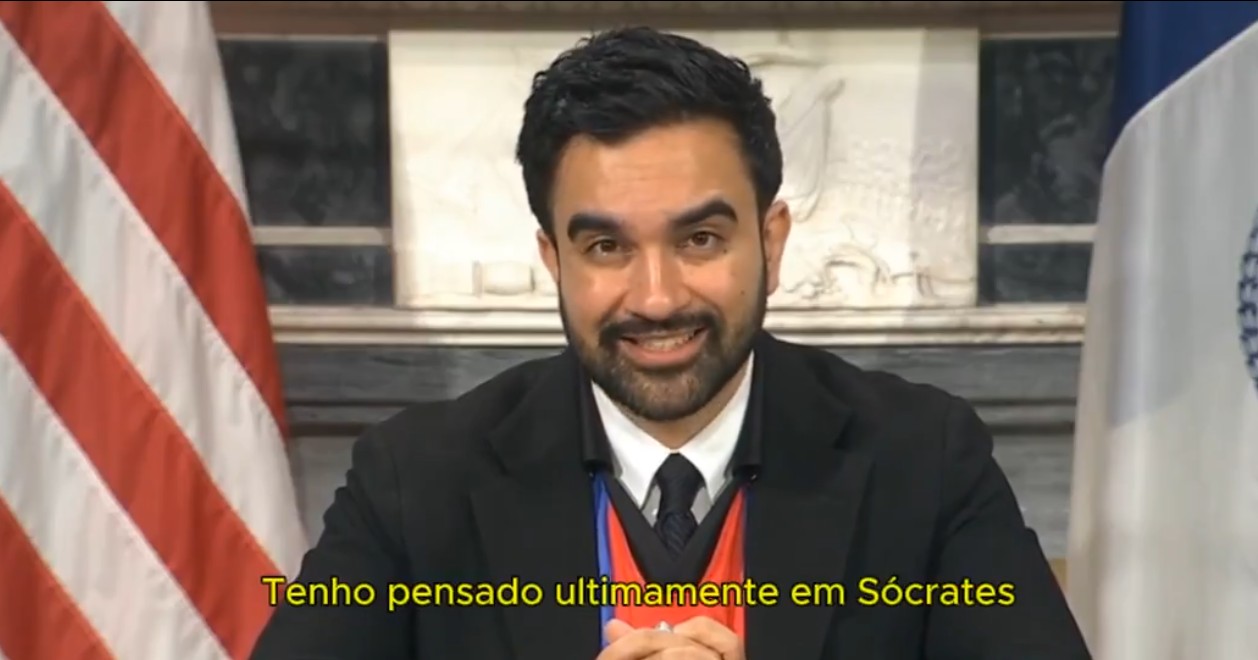
Em um vídeo que explicava alterações no trânsito da cidade à população em função da Copa do Mundo, o prefeito de Nova York, Zohran Mamdani, exaltou Sócrates e a Democracia Corinthiana, movimento liderado pelo ex-jogador nos anos 80 em protesto à ditadura militar no Brasil. Mamdan, o primeiro mandatário muçulmano da "Big Apple", saudou o futebol como uma manifestação social e cultural que permite que as pessoas não só esqueçam os problemas da vida por 90 minutos, mas encontre meios de enfrentá-los. O Brasil enfrenta Marrocos neste sábado (13) em Nova Jersey, cidade vizinha de Nova York. Por conta disso, haverá alterações relevantes no trânsito da região. Nesta manhã, Mandani usou suas redes para explicar as mudanças. Após dar os detalhes, ele falou sobre a importância do futebol como instrumento social e, nesse momento, relembrou a experiência liderada por Sócrates, ídolo corinthiano. Veja a fala de Zohran Mamdani sobre Sócrates e a Democracia Corinthiana "Enquanto esperamos Brasil contra Marrocos, tenho pensado muito sobre Sócrates. Não o filósofo grego, mas o maestro brasileiro do meio campo. Ele jogou nos anos 70 e 80, incluindo a Copa de 1982. Esses foram anos difíceis para o Brasil. Uma ditadura militar repressiva governou o país, impondo seu domínio pela força. No Corinthians, o clube que ele foi capitão, Sócrates e seus companheiros de equipe participaram do que os brasileiros sonhavam todos os dias: democracia. Eles começaram um experimento de auto governança, chamado Democracia Corinthiana. Se você era o atacante estrela do time, ou o funcionário da lavanderia,  você tinha o mesmo voto. E enquanto a ditadura militar torturava e assassinava seus cidadãos, Sócrates levou os jogadores a campo vestidos com agasalhos em que estava escrito nas costas "Eu quero votar no meu presidente". Initial plugin text No vídeo, Mamdani também disse que, neste sábado, o mundo estará assistindo o talento de Bounou, goleiro de Marrocos, e  a habilidade de Vini Jr e Raphinha nas pontas do Brasil.  Depois, ele saudou a importância do futebol para a sociedade. - Enquanto nos preparamos para sediar uma Copa do Mundo, estamos celebrando um esporte que deu muito a milhões pelo mundo. Um senso de pertencimento, de solidariedade, conexão com comunidades. Futebol criou movimentos, enfrentou ditaduras. E, por 90 minutos, nos permite não só esquecer dos problemas do mundo , mas achar formas de enfrentá-los. Veja o vídeo completo Initial plugin text

Estrela do Marrocos, Hakimi enfrenta o Brasil na Copa enquanto aguarda decisão sobre julgamento por estupro

13 June 2026 at 21:01

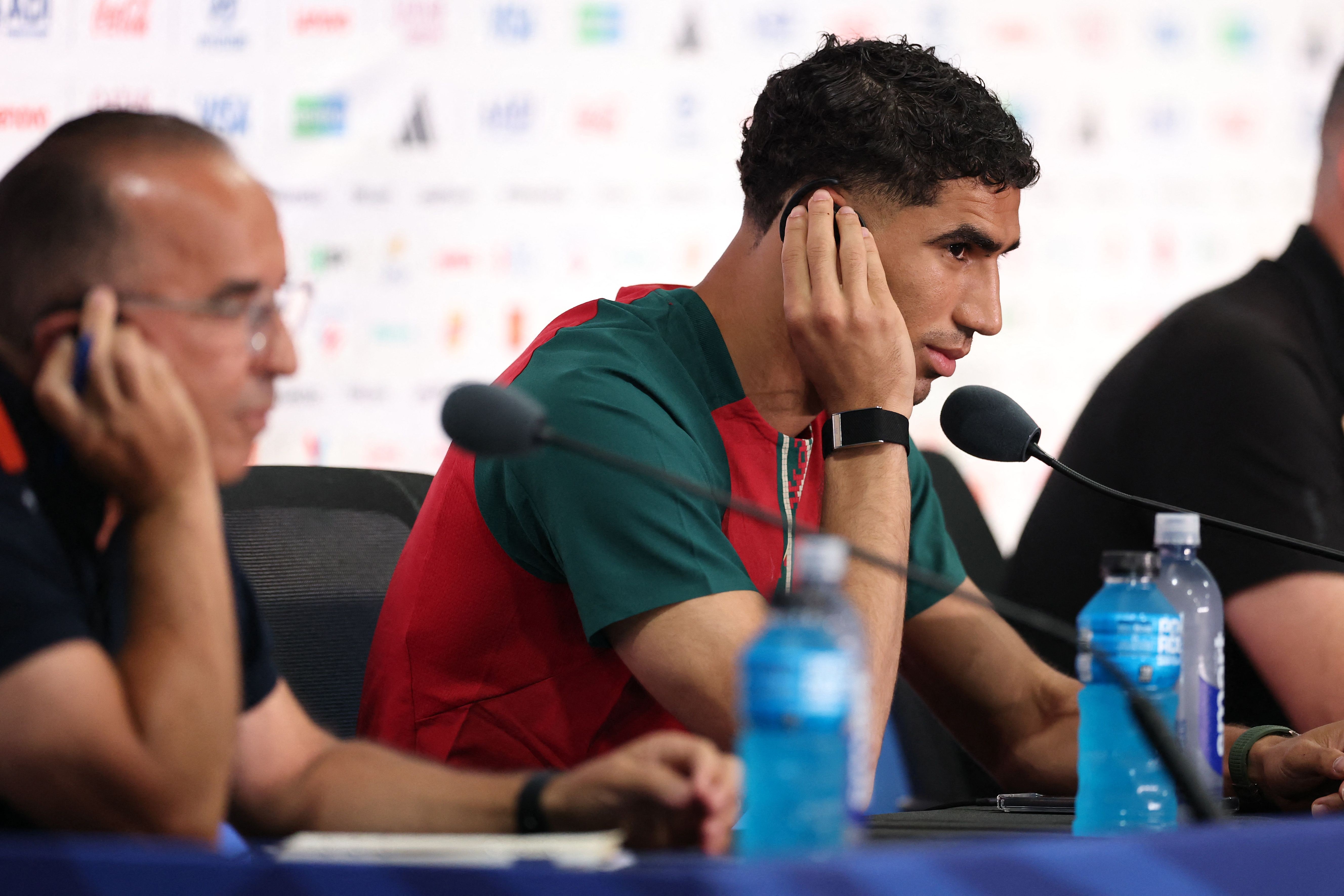
Principal destaque da seleção do Marrocos, o lateral Achraf Hakimi, que joga no Paris Saint-Germain, enfrenta um processo por um suposto estupro e tenta obter a rejeição do caso pelo tribunal, informou uma fonte próxima ao caso à agência de notícias AFP. O jogador vai encarar o Brasil neste sábado, às 19h (de Brasília), em Nova Jersey, pela Copa do Mundo, enquanto aguarda a decisão judicial. Segundo a mesma fonte ouvida pela agência, a decisão do tribunal será divulgada até 19 de junho, o que significa que o jogador marroquino tomará conhecimento da decisão durante a Copa do Mundo e ainda na fase de grupos. Uma audiência no Tribunal de Apelação de Versalles, oeste de Paris, examinará o caso do jogador marroquino de 27 anos, que deve ser julgado por um suposto estupro. Se o recurso for rejeitado e as acusações não forem reclassificadas como outro crime, o jogador será julgado em uma data que ainda será determinada. Em fevereiro de 2023, uma mulher de 24 anos denunciou para a polícia que Hakimi a havia estuprado. O jogador foi formalmente acusado, colocado sob controle judicial e, finalmente, enviado a julgamento em fevereiro. Hakimi nega qualquer crime. Procurada pela AFP, a advogada do jogador, Fanny Colin, se recusou a fazer comentários. Durante uma das audiências, Colin alegou que "a acusação se baseia unicamente na palavra de uma mulher que atrapalhou todas as investigações, se recusou a se submeter a qualquer exame médico e teste de DNA, e se negou a fornecer o nome de testemunhas-chave". A denunciante declarou que conheceu Hakimi em janeiro de 2023 pelo Instagram e que foi à casa dele em um taxi solicitado pelo jogador, segundo então uma fonte policial. Ela afirmou que o jogador a beijou, a tocou sem o seu consentimento e depois a estuprou. Segundo a versão dela, depois ela conseguiu enviar uma mensagem de texto para uma amiga, que foi buscá-la.

Jogo do Brasil hoje: qual é o horário e onde assistir ao vivo à estreia contra o Marrocos na Copa do Mundo de 2026

13 June 2026 at 20:43

O Brasil estreia na Copa do Mundo de 2026 contra o Marrocos neste sábado, às 19h (de Brasília), no MetLife Stadium, em Nova Jersey, nos Estados Unidos. O grupo C também conta com Haiti e Escócia. Confira: Bola de Cristal aponta caminho do Brasil rumo ao hexa Conheça o 'Palpiteiros': Mais que um bolão, o campeonato de palpites da Copa do Mundo Qual o horário de Brasil x Marrocos? A partida acontece neste sábado (13/06), às 19h (de Brasília), no MetLife Stadium, em Nova Jersey, nos Estados Unidos. Onde assistir ao vivo a Brasil x Marrocos? A partida terá transmissão da TV Globo, SBT, SporTV, N Sports, GeTV (Globoplay) e CazéTV (YouTube). Escalação do Brasil Provável escalação: Alisson; Danilo, Marquinhos, Gabriel Magalhães e Alex Sandro; Casemiro, Bruno Guimarães e Lucas Paquetá; Vinicius Júnior, Matheus Cunha e Raphinha. Técnico: Carlo Ancelotti. Escalação do Marrocos Provável escalação: Yassine Bounou; Achraf Hakimi, Chadi Riad, Marwane Saadane e Noussair Mazraoui; Neil El Aynaoui, Ounahi, El Khannouss e Brahim Díaz; Saibari e Amine Sbai. Técnico: Mohamed Ouahbi. Arbitragem de Brasil x Marrocos Árbitro: Slavko Vincic (ESL) Assistentes: Tomaz Klancnik (ESL) e Andraz Kovacic (ESL)

Seleção brasileira mostra como são gravados os patches nos uniformes; saiba o que significam

13 June 2026 at 20:42

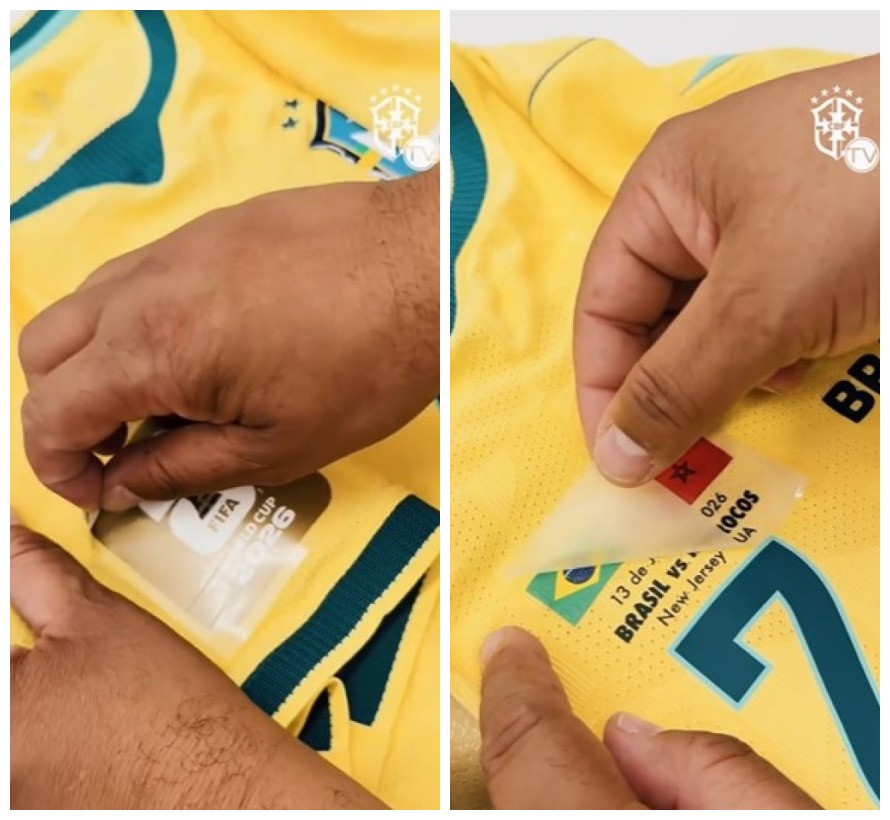
A seleção brasileira estreia contra o Marrocos nesta Copa do Mundo de 2026, neste sábado, às 19h, em Nova Jersey. Mas antes de os craques entrarem em campo, a Confederação Brasileira de Futebol (CBF) prepara tudo para a partida. Uma das tarefas é gravar os uniformes dos atletas com alguns patches, o que é feito com uma prensa térmica. Camisa do Brasil 2026: veja preços e diferenças entre os modelos oficiais Jogador e Torcedor; valor é alto O Brasil estreia com a camisa amarela. São gravados três patches. Um deles tem o símbolo da Copa do Mundo de 2026 dourado. Esse é uma exclusividade de seleções que já foram campeãs em outras edições. O segundo é de uma campanha da Fifa pela paz mundial. Ambos ficam nas mangas dos uniformes. Já o terceiro é o mais informativo, com data e local da partida, além do adversário. Com isso, os uniformes ficam gravados e ganham valor por terem sido usados em uma Copa do Mundo, para futuras vendas para colecionadores. As camisas usadas como modelos para mostrar o processo é a de número 4, que será usada pelo zagueiro Marquinhos, e a de número 7, de Vinicius Jr. Assista abaixo. Initial plugin text Diferenças nas camisas A versão Jogador da camisa oficial da seleção é idêntica à utilizada pelos atletas em campo. Produzida com a tecnologia Aero-FIT, desenvolvida pela marca para aumentar o que chama de respirabilidade e o desempenho durante a prática esportiva, a peça apresenta textura com formas geométricas inspiradas na bandeira brasileira. Nessa versão, o escudo da CBF e o logotipo da Nike são aplicados por meio de silkscreen, o que reduz o peso do uniforme. Já a camisa Torcedor foi desenvolvida para o uso cotidiano dos fãs. Confeccionada em tecido Dri-FIT, que auxilia na absorção e evaporação do suor, a peça prioriza o conforto e conta com escudo e logotipo bordados. Ambos os modelos possuem faixas verdes na lateral do tronco, na ponta da manga e na gola. E o preço? Mas a principal diferença aparece no preço. E, considerando que os valores estão na casa das centenas de reais, isso pode fazer toda a diferença na hora de escolher o seu modelo. Confira: A camisa Jogador custa R$ 749,99 nas versões masculina e feminina. Já os modelos Torcedor e Goleiro são vendidos por R$ 449,99 cada. Para crianças de 3 a 7 anos, a versão infantil da camisa Torcedor sai a R$ 349,99.

Brazil can reach net-zero emissions by 2040 and avoid tipping points in its biomes, says Carlos Nobre

13 June 2026 at 20:33

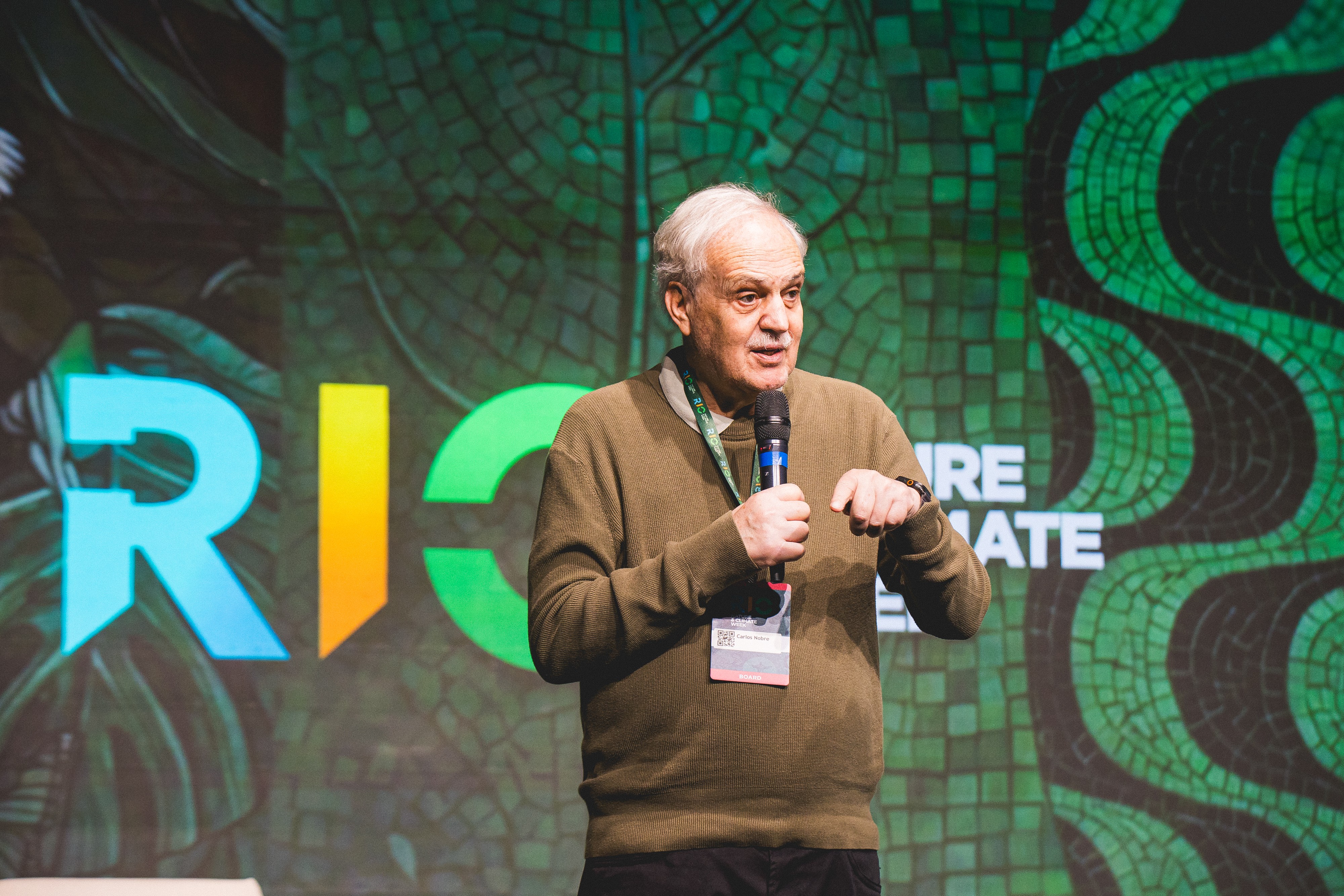
Brazil could achieve net-zero emissions by 2040 and emerge as a global leader in combating the climate emergency, Brazilian climatologist Carlos Nobre assessed during the opening of the first edition of Rio Nature & Climate Week (RNCW), held from June 2 to 6 in Rio de Janeiro. Nobre, one of the world's most respected climate scientists, warned of approaching tipping points in key Brazilian biomes but argued that the country has the potential to combine emission reductions, environmental conservation, and economic development. — We climate scientists no longer use the term 'climate change.' For us, it's a climate emergency — he said. — The big question is: can we avoid the tipping points in Brazilian biomes? I believe we can. Nobre stated that four out of the country's six biomes—Amazon, Cerrado, Pantanal, and Caatinga—are already showing signs of nearing the so-called tipping points, thresholds beyond which environmental changes could become irreversible. The path in this direction, he said, is accelerating: the years 2023, 2024, and 2025 have, for the first time, recorded global average temperatures close to 1.5° Celsius above pre-industrial levels, a threshold that the Paris Agreement defined as one to avoid. Warmer oceans, increased atmospheric moisture, and greater energy availability in the climate system have contributed to the intensification of extreme events in different parts of the world. Recent studies presented by the scientist indicate that there is a chance the world could permanently reach the 1.5° warming level as early as around 2030, rather than 2050 as previously thought a decade ago. This prospect is concerning because it increases the risk of various natural systems exceeding their stability limits. — That's why all extreme events are breaking records worldwide: heatwaves, extreme rains, droughts, gales, storm surges, and forest fires. There is much more energy available in the climate system — he stated. — Science has known this for a long time. Currently, he explained, the scientific community monitors around 25 tipping points globally, related to atmospheric, oceanic, hydrological, and ecological processes. In the Cerrado alone, 52% of its original cover has already been deforested, primarily for livestock expansion and, more recently, soybean monoculture. The advance of native vegetation conversion has led to increased temperatures, reduced evapotranspiration, and growth in forest fires. The expansion of areas with Caatinga-like characteristics over the Cerrado is already observable in different regions. Studies presented by Nobre indicate that if the biome surpasses its tipping point, up to 70% of its area could acquire characteristics similar to semi-arid regions. Meanwhile, in the Caatinga, about 48% of the biome has already been deforested, and 62% of the area is at risk of desertification. New research mentioned by the scientist identified semi-desert characteristics in northern Bahia regions. — The Caatinga is very close to a tipping point. The same applies to the Pantanal, the largest continuous flooded area on the planet. An ecosystem of enormous ecological importance, with extraordinary biodiversity — he said, linking the biome's vulnerability to changes in water regimes, the construction of hydroelectric plants and waterways, deforestation, and climate change. — Record droughts observed in 2020, 2021, 2023, and 2024 had severe impacts, as did the significant increase in fires. In the case of the Amazon, a region Nobre has studied for over four decades, he highlighted that about 18% of the original forest cover has already been lost. Besides deforestation, the scientist drew attention to the increase in extreme droughts, the prolongation of the dry season, and the growth of forest degradation. The combination of deforestation and global warming, he stated, could lead the Amazon Rainforest to surpass its tipping point more rapidly, also accelerating the degradation of the Pantanal, Cerrado, and Atlantic Forest. Despite the risks, Nobre dedicated much of his presentation to solutions he believes could prevent this scenario. Among them is a study indicating the possibility for the country to reach net-zero emissions by 2040. The goal would require zero deforestation, the elimination of forest degradation, restoration of degraded areas, expansion of renewable energy, and the adoption of regenerative agriculture and livestock models. The proposal envisions an energy matrix based on renewable sources such as solar, wind, green hydrogen, and biofuels, along with increased use of electric vehicles. In the land-use sector, the researcher advocated for the restoration of degraded areas in all Brazilian biomes to enhance carbon removal from the atmosphere. Another central axis of the strategy is the strengthening of the socio-bioeconomy. According to Nobre, although Brazil harbors between 18% and 20% of the world's known biodiversity, products derived from this heritage still have limited participation in the national economy. The researcher advocated for combining scientific knowledge, technological innovation, and traditional knowledge to increase income generation linked to environmental conservation. As an example, he cited agroforestry systems, productive chains related to Amazonian biodiversity products, and initiatives aimed at local industrialization of these products. — We need to integrate scientific knowledge with indigenous and traditional knowledge — he asserted, arguing that addressing the climate emergency requires both accelerated emissions reduction and investments in adaptation, protection of vulnerable populations, and climate education. — We need to achieve zero deforestation across all biomes. Brazil's sustainable development should be based on scientific knowledge, technological innovation, and the wisdom of indigenous peoples and local communities. This is the path to building a sustainable socio-bioeconomy capable of promoting environmental conservation, social development, and prosperity.

Brazilian agriculture plays a central role in the country’s methane emissions debate

13 June 2026 at 20:30

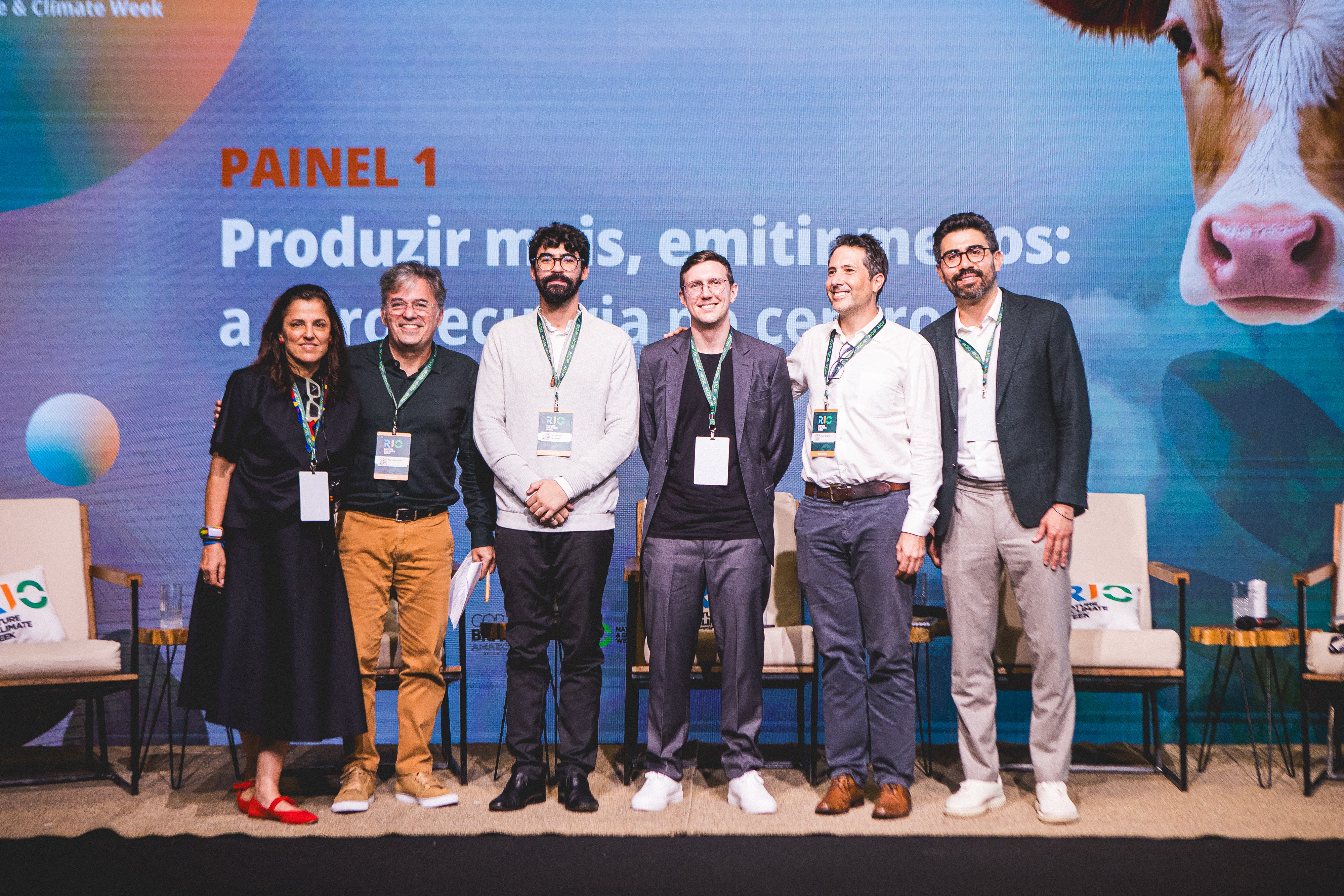
Despite scientific foundations and economic perspectives being laid out, the debate over controlling and reducing methane emissions in the agricultural sector in Brazil and worldwide continues without reaching practical implementations and robust solutions that directly impact international data. At the Climate Emergency Brake Forum, held last Wednesday at Pier Mauá during the Rio Nature & Climate Week, experts discussed paths and perspectives for “producing more and emitting less,” aiming to identify the main challenges in achieving decarbonization objectives in the sector. As the fifth-largest global emitter of methane, following China, the United States, India, and Russia, Brazil reached 21.1 million tonnes of gas produced in 2023, marking a 6% increase over a four-year period, according to data published by the Climate Observatory last August. A study by the Greenhouse Gas Emissions Estimation System (SEEG) indicates that three-quarters of pollutant emissions—which are more harmful to the climate than CO2—originate from agriculture, particularly cattle farming. This segment alone accounted for 14.5 million tonnes. In agriculture, methane is produced through the digestive process of ruminant animals such as cattle, goats, and sheep. In the rumen, one of the compartments of these animals' stomachs, millions of microorganisms reside, capable of breaking down the chemical bonds of ingested food. Through this process, in addition to CO2, these organisms also produce methane gas, most of which (95%) is emitted into the atmosphere through belching. Moderating the discussion on the topic, journalist Marcelo Lins emphasized the importance of the debate on the role of agriculture in global methane emissions, particularly in Brazil, and highlighted that “sustainability is not a progressive field issue, nor is it ideological; it is a matter of humanity's survival.” Lins also touched on fundamental aspects of the green economy and sustainable investments, namely the economic viability and attractiveness these alternatives offer. — The path of laissez-produire (a concept that is a pillar of economic liberalism translating from French as “let produce”) has already proven unfeasible. We are aware of the exhaustion of fields, practices, and techniques that might yield short-term profit but are economically unviable in the medium and long term — noted the journalist. — The excessive use of pesticides in various crops, which initially seemed to reduce production costs, actually makes it more expensive. All of this is already established. Eduardo Fronza, a senior project manager and climate specialist at Proforest, explained that “large commodity-buying companies have set their science-based decarbonization targets to reduce emissions in scope 3, the indirect emissions concentrated in the supply chain at the other end.” In this context, companies have been seeking suppliers who can help them achieve these goals and now view it as a potential opportunity for the sector, “because the priority for these companies now is not to purchase carbon credits; they want to reduce emissions in their supply chain,” he added. One of the biggest challenges in achieving these goals is getting producers to adopt the necessary sustainable technologies throughout this process, according to the panelists. — A significant effort in Brazil and many other places is this direct contact with producers so that they can generate this knowledge with the available technologies, adopt them, and use them according to their own environments — said Juan Andrés Cardoso, an ecologist at the International Center for Tropical Agriculture, located in Cali. An effective way to put this into practice, Cardoso explained, is to use the influence of “champion producers,” who serve as a reference for their community and neighbors in their own regions. — In this way, you have peer-to-peer learning, rather than learning coming from academia or a highly technical part. According to Fronza, two other central elements complicating this dynamic are financing to implement these sustainable practices in Brazil and the traceability of cattle, which he identified as a key issue for getting these proposals to small and medium-sized producers. — A challenge with a practical dimension, especially when looking at the structure of the cattle supply chain in Brazil, is the issue of indirect suppliers, which is a major challenge for traceability — he noted. — Sometimes, a head of cattle will pass through 3, 4, 5 farms before reaching a large producer. On the other hand, this path is also highlighted as a potential opportunity, given that the majority of Brazilian cattle production is directed to the domestic market. According to the expert, the demands and commitments regarding the decarbonization of supply chains represent challenges but also an opportunity for small and medium-sized producers to reach a higher level of production and, consequently, more demanding and qualified markets. — The market is, in fact, willing to pay for this outcome because it is a committed goal, and they are seeking this performance.

'Rio will become the global stage for discussions on nature and climate,' says RNCW founder

13 June 2026 at 20:29

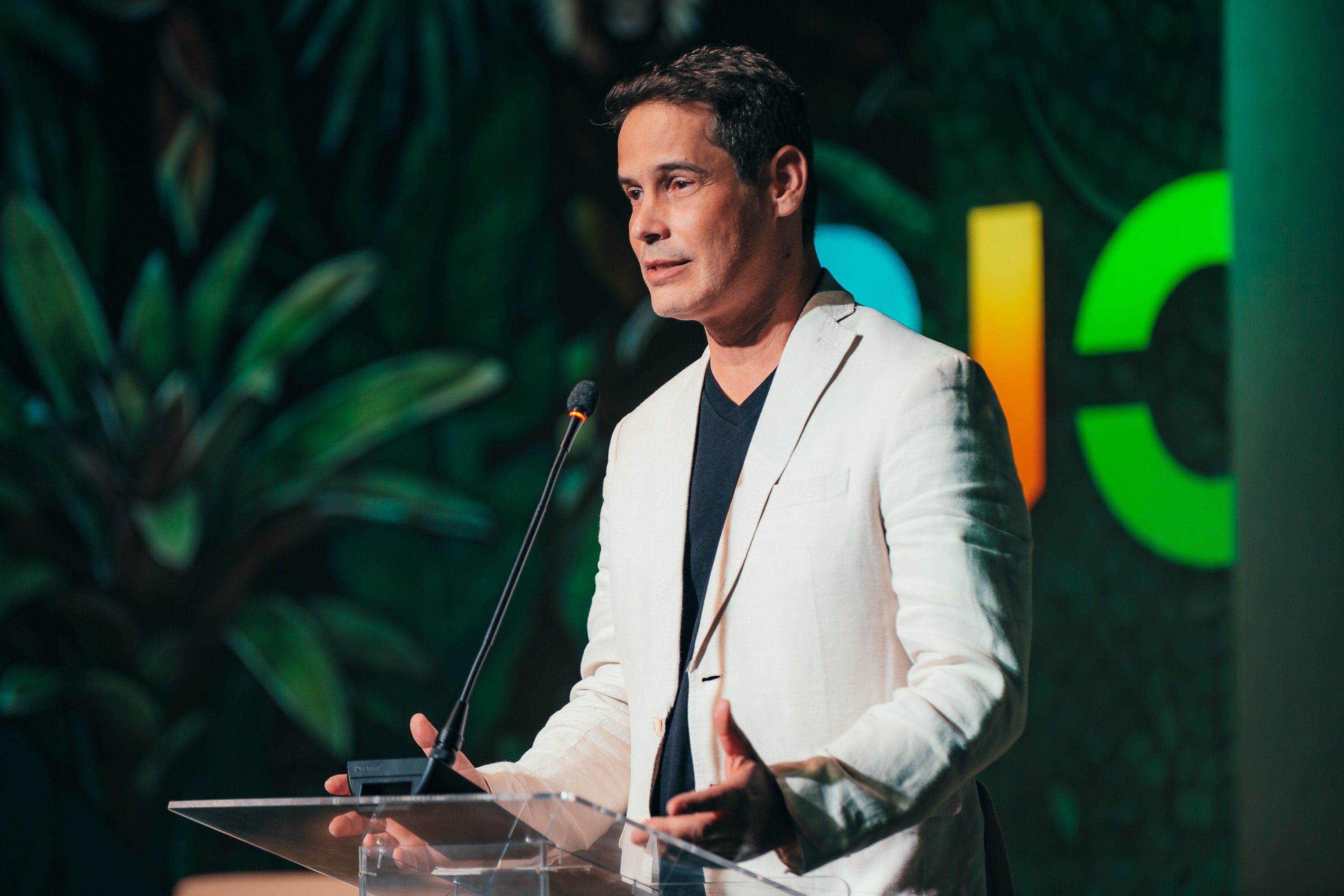
After gathering over six thousand participants during six days of debates, meetings, and cultural activities, the inaugural edition of the Rio Nature & Climate Week (RNCW) concluded its program with the goal of transforming Rio de Janeiro into a permanent platform for discussions on climate, nature, and development. In an interview with O GLOBO, Rodrigo Medeiros, general director of the Instituto Natureza e Clima Brasil and the event's creator, explained how the conference aimed to integrate climate and biodiversity agendas in an unprecedented way, while emphasizing the importance of bringing the voices of the Global South to the forefront of the dialogue. What is your main takeaway from the first edition of Rio Nature & Climate Week? What did it reveal about the current state of the global climate and nature agenda? The general sentiment is that we needed to bring this discussion about the challenges of nature and climate to a Global South territory, and Rio de Janeiro represents that space. First, because most of these meetings happen in the Northern Hemisphere, and opportunities for people from more peripheral countries to attend are always more limited. The second point was the novelty of bringing the debates on nature and climate to the same table. In the past two decades, much of the discussion has centered on climate issues, as if the role of nature and biodiversity were secondary. However, it is actually essential. So, we had the opportunity to bring together negotiators and representatives from international conventions, who usually work separately, to discuss the challenges of integration. It was also very positive to bring together the private sector and civil society. Why is this moment particularly relevant for gathering different stakeholders around these topics? Brazil has always exercised leadership in this area, and we are resuming this role by hosting events like the G20 presidency, BRICS, and COP30. It was natural that, with this resurgence, we should not rely solely on occasional events. We understand that Brazil, due to its strength and international influence, needed a space that allows the country to continue exerting its influence while amplifying the voices of other countries in the Global South. The RNCW was born with this proposal. This was the first year, but it is here to stay. It will be a permanent platform, held annually, always in the first week of June. Rio will be the global stage for these discussions. What distinguishes this initiative from other sustainability debate spaces? There are several ‘Climate Weeks’ around the world, but there is no Nature & Climate Week. This integration is unprecedented. Most other events are still very focused on climate issues and, in some way, neglect the role of nature, tropical forests, and oceans, which are fundamental to solving the climate crisis. By proposing the RNCW, we aim to bring nature back to the center of this debate. The second difference is precisely the perspective of the Global South. The conference was conceived with the aim of bringing together leaders from countries that still contain the largest areas of tropical forests, which will be most affected by biodiversity loss and global warming, but hold a fundamental part of the solutions. These countries tend to have low representation in international forums, mainly due to financial barriers. The idea is to ensure that the demands of these countries are heard. How can these topics be explained and how can the public be brought closer to this discussion? People need to understand that these major processes have direct effects on their lives. In our conference, we incorporated culture as a central element of dialogue. One example was the first International Film Showcase of the RNCW, in addition to Global Citizen Live. A free concert, open to the public, featuring performances by artists like Ludmilla and Lauryn Hill. Throughout the event, we promoted a journey of awareness and dissemination of information with accessible language. We believe that this simplified journey serves as an entry point for more people to participate in this conversation. Rio de Janeiro has already hosted major international events on climate and environment. What makes the city a suitable location for hosting an initiative like this? Rio has all the conditions to be a global capital for major events, especially in this area. Here, urbanity and nature come together. And precisely because of this, it is a city that encompasses both challenges and solutions. It is a global city, easily accessible and internationally recognized. But there is also a historical reason. Rio de Janeiro is the birthplace of the Rio Conventions—the conventions on climate, biodiversity, and desertification. It was here that this agenda gained global prominence. It was here that terms like sustainable development, climate change, and biodiversity became part of the international political vocabulary and public debate. Before Rio-92, these topics existed in academia and science but were not part of people's daily lives. Rio helped shape the perception that we live on an interconnected planet and that the development models adopted over the last century and a half have generated impacts that now require urgent responses. What do you hope participants take away from the meetings and discussions this week? I hope they take with them the messages shared throughout the week. We had representatives and panelists from Latin America, Africa, and Asia, each bringing the perspectives, challenges, and opportunities of their territories. This exchange allows people to connect with different realities and broaden their understanding of the global dimension of these issues. They also leave with the certainty that Rio de Janeiro has become a major international megaphone for these communities and their demands. A space capable of amplifying voices that often have little presence in major global forums. And I believe everyone also takes with them a very striking image: the concert held in the Enseada de Botafogo. Seeing so many people gathered in Rio de Janeiro to advocate that the Global South should not be forgotten is a powerful message.

Without tackling environmental crimes, climate action is unlikely to succeed

13 June 2026 at 20:28

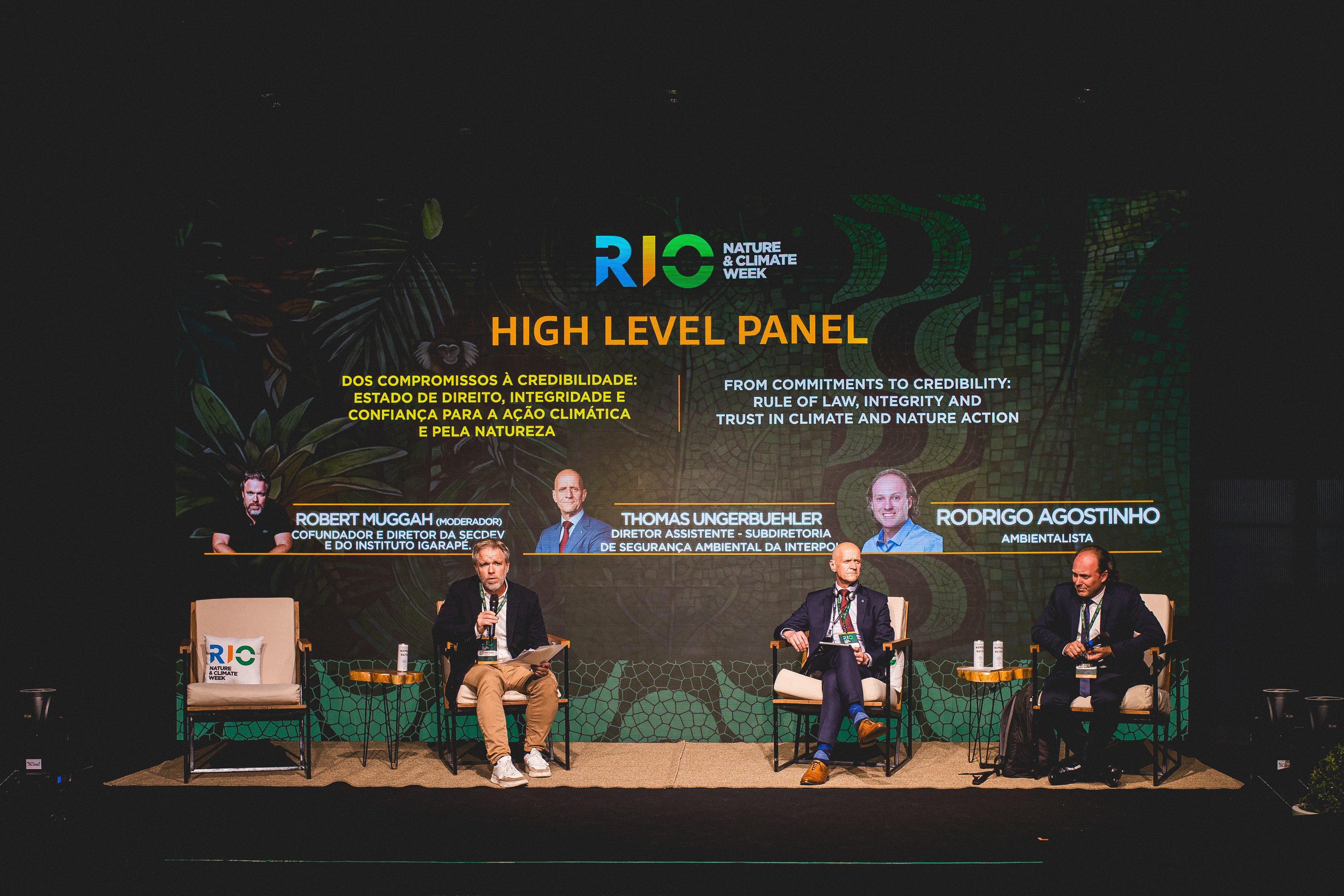
As political and economic changes threaten agreements and mechanisms for ecosystem protection and greenhouse gas emission prevention, one of today's primary global tasks is ensuring that existing regulations are strictly adhered to. This is not only to meet a set of targets but also to demonstrate to the public that these measures are effective and that violations will not be tolerated. - Combating environmental crimes goes beyond mere commitments; it's about implementing these commitments. Credibility depends on integrated data, transparent institutions, and a certain degree of public trust - stated Robert Muggah, co-founder of the Igarapé Institute and the SecDev Group, who moderated the panel on the Rule of Law and environmental crime during Rio Nature and Climate Week. Brazil's scenario is among the most challenging. In addition to local gangs specializing in illicit environmental activities, such as logging from protected areas or gold mining on indigenous lands, international criminal organizations have begun to see illegal exploitation as a source of income. Researchers point to an increasing connection between groups like Comando Vermelho (CV) and Primeiro Comando da Capital (PCC) with miners and loggers operating outside the law, alongside the establishment of the Amazon as a drug transportation route, particularly to Europe. - The threat is more than ecological. It fuels social instability, crimes feed corruption and conflicts, and illegal resource extraction affects communities and trust in the system - said Thomas Ungerbuehler, Assistant Director of Environmental Security at Interpol. Renato Agostinho (R), former director of Ibama, speaks during a panel at the Rio Nature and Climate Week, alongside Thomas Ungerbuehler, assistant director of Environmental Security at Interpol (C). Publicity photo According to Ungerbuehler, the fact that these criminal organizations have a transnational footprint—a recent report from the São Paulo Public Prosecutor's Office showed that the PCC has expanded to 28 countries—makes monitoring their activities more challenging. Renato Agostinho (R), former director of Ibama, speaks during a panel at the Rio Nature and Climate Week, alongside Thomas Ungerbuehler, assistant director of Environmental Security at Interpol (C). Publicity photo - Criminals operate across borders. A crime can start in one country and end in another. This global dimension allows them to operate outside the law - he stated. - And since these networks are adaptable, we need a holistic approach, emphasizing that environmental commitments are more than mere pledges. In his intervention, Rodrigo Agostinho, president of Ibama from 2023 to 2026, highlighted the importance of coordinated efforts in combating environmental crimes. Data sharing among Amazon countries, for example, helps dismantle routes used by criminal organizations to transport illicit substances or distribute illegally extracted products—recent cases involved the seizure of drugs and uncertified wood in the same shipment. - Cooperation needs to occur both horizontally and vertically, not only at the top of the command and control chain. In the case of forest fires, for example, if we have information on where they are happening, we can inform states and municipalities for initial control - he explained. - We need everyone to work appropriately, and cooperation can greatly assist. Ibama, for example, does not conduct investigations; that's the Federal Police's task. The solution lies there. Last year, the International Police Cooperation Center was inaugurated in Manaus, a transnational effort coordinated by the Federal Police, bringing together nine countries and working in partnership with cooperation networks like Interpol and Europol. - We need to move towards a more global sharing of information. Criminals do not respect borders, and the solution lies with interconnected teams and intelligence units. This is the only way to close institutional gaps exploited by these individuals - pointed out Ungerbuehler. Civil society, Agostinho noted, plays an important role in holding authorities accountable and, like the Igarapé Institute, revealing the money trail from illegal gold mining to the bank accounts of criminal organizations. The private sector, he explained, is crucial in financing initiatives and also needs to pressure their suppliers to ensure they do not offer products linked to illicit activities. - In Brazil, people do not understand that environmental crimes are crimes. People normalize deforestation and the keeping of trafficked animals - he highlights. - Society does not see it that way, and we need to confront it. For the States, obligations go beyond monitoring and signing international agreements. - Law enforcement is the most important factor to ensure the public does not lose faith. Penalties for environmental crimes are sometimes insufficient, and it is important that they are punished like other crimes - commented Ungerbuehler. - It's important to show the public that arrests and trials are happening. When we ensure that timber traffickers will be punished, we are showing that the law is being enforced. Muggah agreed. - This is a fundamental issue. Trust will only be built when it leads to results.

Political fragmentation is undermining efforts to tackle climate change, says Durão Barroso

13 June 2026 at 20:26

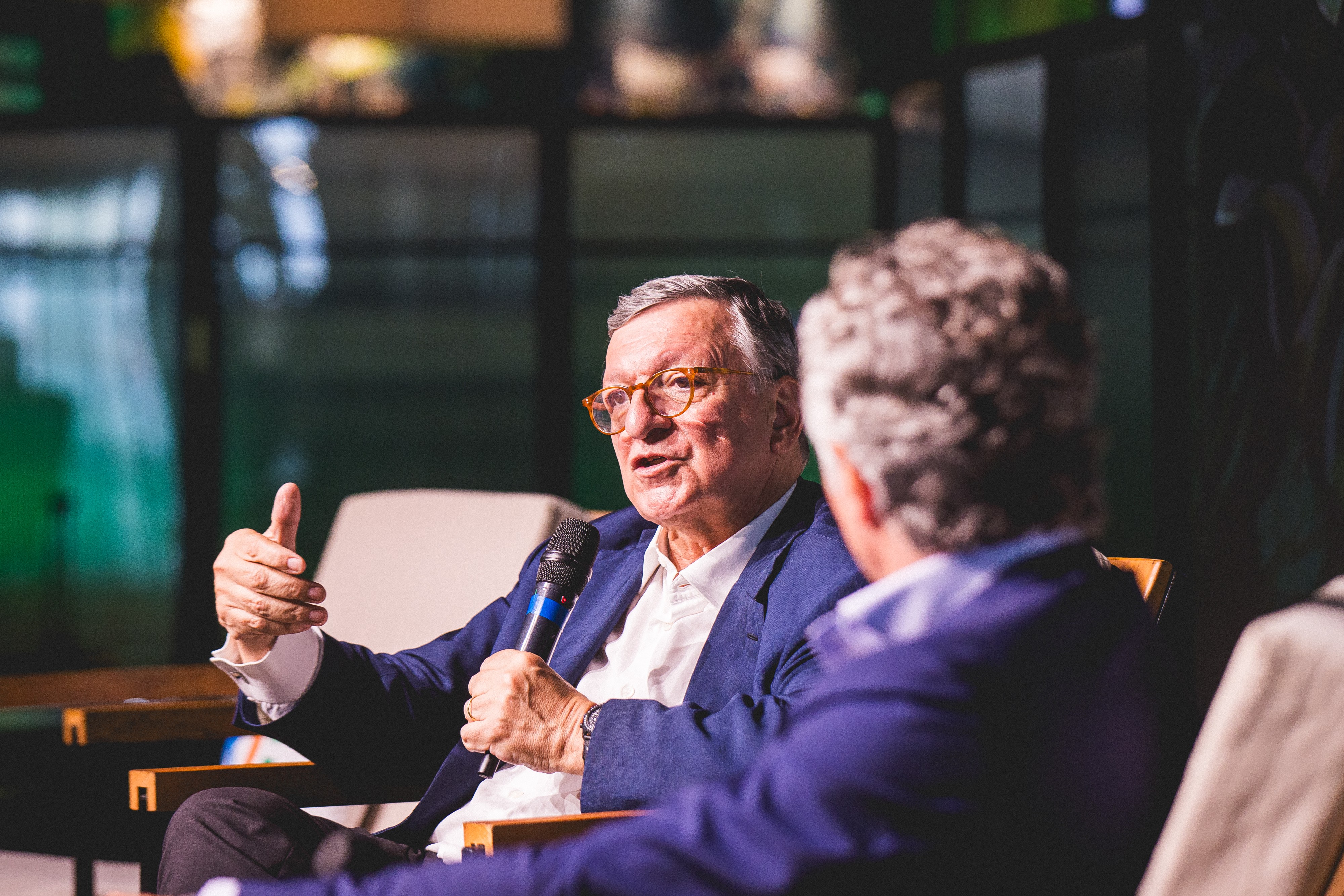
In a peculiar coincidence, one of the first actions of U.S. President Donald Trump during his two terms was to withdraw from the 2015 Paris Climate Agreement, which had become a key commitment in efforts to curb global warming. Beyond the Republican's anti-environmental rhetoric, the withdrawal aligns with a political persona that extends beyond the White House: leaders who shun multilateralism and advance their own agendas with a "strongman" facade. — A leader needs to be someone who looks around and sees that people are with him. Who doesn't act for just a small group. Democracy doesn't work that way — said former Portuguese Prime Minister and former President of the European Commission José Manuel Durão Barroso, during a panel at Rio Nature and Climate Week. — They should see their party, their state, their organization as an instrument, where what matters are the people. A skilled politician with close ties to Brazil — his father was born in Rio de Janeiro in 1922 — Barroso did not mention Trump's name in front of the audience at the Edifício Turing but highlighted how the rise of extremist and isolationist policies is an urgent issue for democracies, directly affecting sensitive policies such as environmental ones. — I understand that the important thing is to find a set of interests [in negotiations] and that it's not a shame for a national leader to make concessions, and that this is understood by public opinion — he emphasized. — This is more difficult today, given the culture of strongmen, of ultranationalism. Durão Barroso linked the strengthening of extremist views globally to the "crisis of national forces that cannot solve people's problems." — The middle class lost income, felt abandoned, and began to look toward more radical positions, and there's a fertile ground for these thoughts — he explained. — There were other issues, such as irregular immigration, which intensified xenophobia. And we are witnessing an increase in these movements. The environmental agenda is criticized by extremist voices who view it as a tool to advance progressive policies and curb growth potential. Trump campaigned on his promise to expand oil exploration, with the slogan "drill, drill, drill." Germany's Alternative for Germany (AfD), which has become the second national political force, promotes climate change denial and dreams of banning electric cars. In Argentina, Javier Milei wanted to leave the Paris Agreement but didn't do so for economic reasons, which didn't stop him from advancing agendas like ending protections in sensitive areas, such as glaciers. In this context, Durão Barroso mentioned a crucial tool for current politics: social media. He believes these platforms encourage a "narcissism that leads to the cult of a leader's image, and harms what should be the public mission for the common good." — Social media amplifies extremist discourse. People talk within their own groups, and this exposes not just a fragmentation of countries, a struggle between powers, but rather struggles within our societies — he stated. — It seems there are insurmountable distances within our countries. And the situation is more fragmented, more unpredictable. More dangerous. But the former Portuguese Prime Minister and former President of the Gavi global vaccine alliance (with which Trump recently resumed dialogue) also outlined some paths to break the cycle of extremism and isolationism. Some of these involve Brazil. — Brazil is one of the largest economies in the world. It has problems, but it is in an interesting position: it is a member of BRICS, but it is a democracy, with freedom of the press and association. It is a Global South country with a political system seen in advanced democracies. And it is a world leader in some areas — opined Barroso. — Brazil is a respected country, not an aggressive one, and it has all the conditions to exert a positive influence on the world. Echoing a speech from January by the Canadian Prime Minister, Mark Carney, Barroso mentioned the importance of non-hegemonic countries uniting against what he called the "arrogance" of large, wealthy countries, avoiding resentment in their policies and speeches. — The UN is blocked, the Security Council, because of the veto system, is paralyzed... that's why it's important for medium powers to step forward, not letting only the major powers have a voice. Global reintegration also depends on the private sector and civil society. Companies and organizations sometimes have the necessary capital for important initiatives that the state does not have. These range from campaigns against deforestation to funding research on new technologies for environmental adaptation and reducing greenhouse gas emissions. — We need more resources and more research, more energy. And it's not just a question of money: organizations like Global Citizen can bring new enthusiasm. And this is important since politicians are sensitive to public opinion — explained Barroso. — When they feel pressured, they respond. Instead of just speeches, they move into action. A well-directed campaign can yield good results.

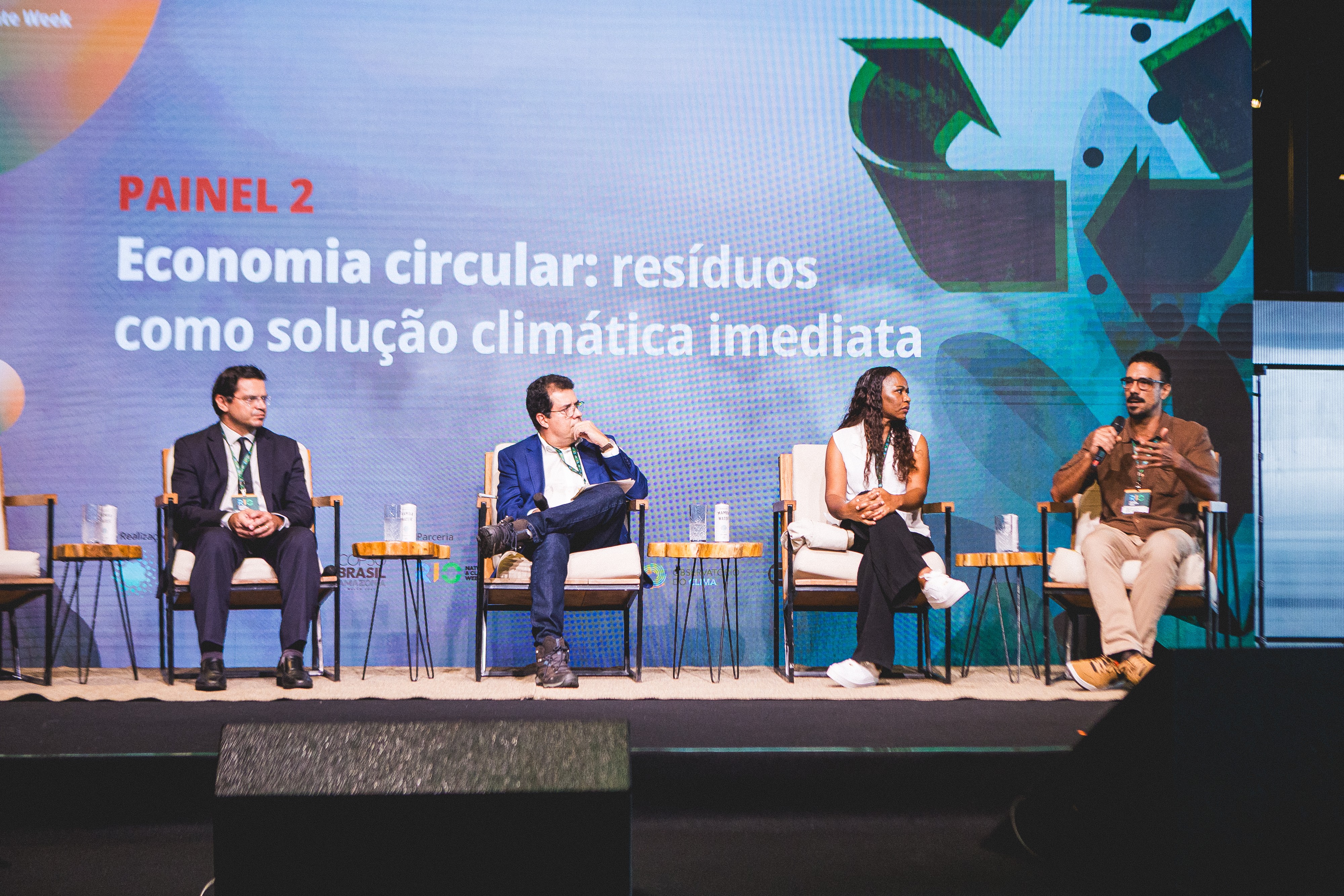
Waste pickers must be included in environmental policies, sector representative says

13 June 2026 at 20:25

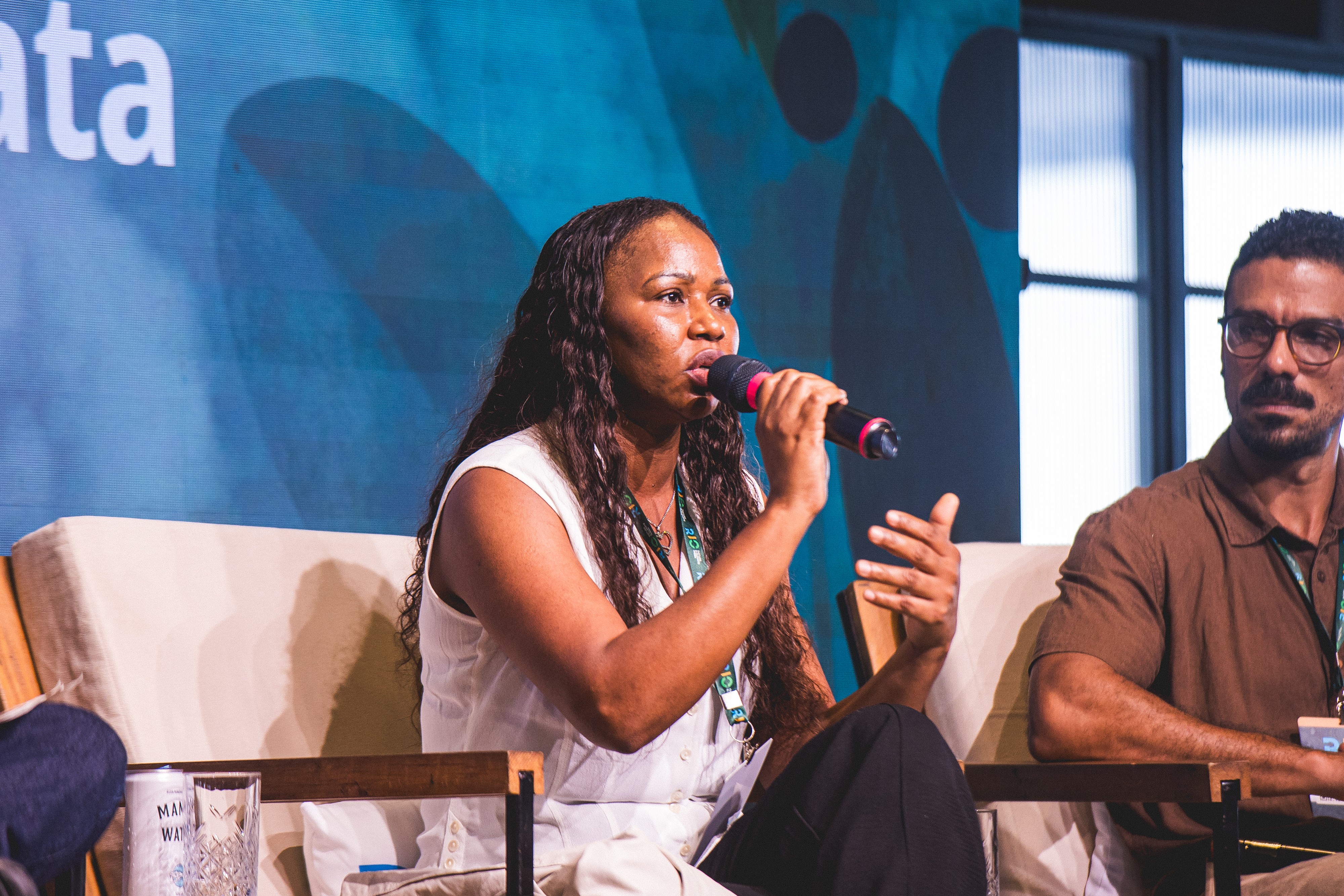
Regardless of how ambitious or restrained a waste management policy may be, plans are unlikely to meet their goals without the human element: waste pickers. According to Sebrae, 16,100 are officially registered, but the real number could be closer to 800,000, as estimated by the National Movement of Recyclable Material Collectors. During Rio Nature and Climate Week, one of these professionals, Claudete Costa, shared her experiences and perspectives on the circular economy. - I am a recyclable materials collector, and in my view, as a citizen, collector, and professional in this sector, we do not have a country properly educated to make this disposal. As a result, everything is sent to landfills and other units that do not represent the correct destination, which would generate jobs and income for us collectors within a cooperative - she stated. For her, waste pickers need to be treated as part of the solution, as they deal directly with waste and often understand better than those in offices the appropriate destinations for materials. - We need to confront a history of exclusion in society and change this concept. For example, I'm often called a garbage picker. I am not a garbage picker. I'm a recyclable material collector - she pointed out. - The government and society need to stop being hypocritical. When it suits them, we are called recyclable material collectors. When it doesn't, we become garbage pickers. She believes that any environmental project, regardless of size, requires a broad approach where waste pickers have a voice. - We need to be allowed to sit at the table and build together. It doesn't work for someone to come with everything ready and just present us with a solution without giving us information and allowing us to participate in the construction - she opined. - If we are talking about the planet, sustainability, and climate, then we want to be part of that discussion. And we want to be valued and compensated for everything we produce within this chain.

Polícia investiga agressão a idoso em Copacabana; vítima diz ter sido atacada por carregar adesivo de deputada do PT

13 June 2026 at 20:24

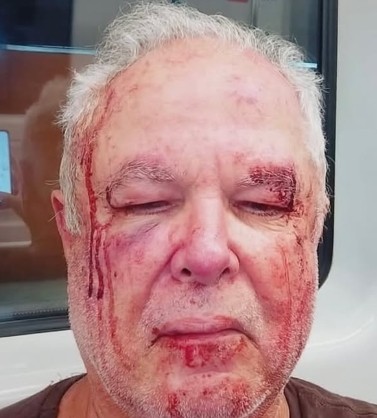
A Polícia Civil do Rio investiga a agressão sofrida por Mauro Figueiredo Rocha Dias da Costa, de 69 anos, militante do PT, na noite de quinta-feira, em Copacabana, na Zona Sul do Rio. Segundo o relato da vítima à polícia, o ataque teria sido motivado por razões políticas, após os agressores identificarem um adesivo da deputada federal Benedita da Silva (PT) que ele carregava na bolsa. O caso foi registrado inicialmente na 12ª DP (Copacabana) e transferido para a 14ª DP (Leblon), responsável pelas investigações. Mauro foi encaminhado ao Instituto Médico-Legal (IML) para realizar exame de corpo de delito. Em nota, a Polícia Civil informou que diligências estão em andamento para esclarecer os fatos. De acordo com o boletim de ocorrência, Mauro chegava ao prédio onde mora, na Rua Ministro Viveiros de Castro, por volta das 22h40, quando foi abordado por três pessoas: um homem vestido de terno e duas mulheres descritas por ele como tendo porte físico semelhante ao de lutadoras. Segundo o relato prestado à polícia, o grupo passou a proferir ameaças e ofensas de cunho político e religioso. Ainda conforme o registro, durante a abordagem os suspeitos arrancaram um terço que Mauro usava no pescoço. O militante afirmou que uma das mulheres o imobilizou com um golpe conhecido como "mata-leão", enquanto o homem desferia socos em seu rosto. As agressões teriam durado cerca de cinco minutos, em frente ao portão do edifício. Mauro relatou ainda que pediu ajuda ao porteiro do prédio, que estaria próximo ao local, mas que o acesso não foi liberado durante o ataque. Segundo ele, as agressões só cessaram quando um homem que passava pela rua se aproximou gritando para que os envolvidos parassem. Repercussão política O caso provocou manifestações de dirigentes e parlamentares do Partido dos Trabalhadores. Em publicação nas redes sociais, o deputado federal Reimont (PT-RJ) classificou a agressão como "absolutamente inadmissível e revoltante". Segundo o parlamentar, Mauro foi "violentamente agredido por três bolsonaristas" por carregar um adesivo de Benedita da Silva. Reimont afirmou que o episódio vai além da violência física e destacou que o registro policial menciona ameaças de morte e ofensas políticas e religiosas. Para ele, o caso representa "um reflexo de um ódio cego que tenta silenciar quem luta por justiça social". "Nenhum brasileiro ou brasileira pode ser atacado ou jurado de morte por suas ideias e convicções políticas", escreveu Remont, nas redes. A Bancada do Partido dos Trabalhadores na Câmara dos Deputados divulgou uma nota oficial de solidariedade ao militante. No texto, assinado pelo líder da bancada, deputado Pedro Uczai (PT-SC), os parlamentares afirmam que é "inadmissível" que um cidadão seja atacado por suas convicções políticas e classificam como especialmente grave a informação de que a agressão teria sido motivada pela posse de um adesivo da deputada Benedita da Silva. A deputada federal Benedita da Silva também se pronunciou sobre o caso. Em publicação nas redes sociais, ela prestou solidariedade a Mauro Figueiredo Rocha, identificado por ela como integrante do PT Carioca, e afirmou que ele foi agredido em Copacabana por utilizar adesivos ligados ao seu mandato. "Isso é ódio político e covardia", escreveu a parlamentar, que também agradeceu ao deputado federal Lindbergh Farias pelo suporte jurídico prestado à vítima. Initial plugin text

Waste management poses challenges, but could unlock major environmental and economic gains

13 June 2026 at 20:23

Every day, the city of Rio de Janeiro, one of the largest metropolises in the Southern Hemisphere, generates 17,000 tonnes of waste, ranging from large industrial debris to candy wrappers bought innocently at newspaper stands. While this waste presents a serious and urgent environmental challenge, it also fuels an increasingly significant portion of the economy, with benefits extending beyond financial gains. - When we look at developed European countries, many are already recycling between 40% and 50%, with some reaching 60%. From an economic standpoint, both recyclable materials and organic waste hold tremendous value - stated Adalberto Maluf, National Secretary for Environment and Environmental Quality at the Ministry of the Environment (MMA), during the Methane Forum: Climate Emergency Brake, at the Rio Nature and Climate Week. Citing a 2025 report, Maluf mentioned that Brazil literally throws away R$27 billion annually, while municipalities spend significantly more - R$45 billion - managing all this waste, often overlooking the environmental impact or economic potential buried in landfills and dumps. - We spend R$45 billion to collect and dispose of waste in landfills, yet we manage to recycle less than a third of the potential. I believe it will be necessary to review contracts, create performance-based remuneration mechanisms, and pay for both effectively sorted materials and those diverted from landfills - he added. Adalberto Maluf, National Secretary of the Environment, at a panel during Rio Nature and Climate Week Publicity photo According to the IBGE, 60.5% of Brazilian municipalities adopt some form of selective waste collection, and several initiatives serve as examples of how to manage city waste. In his panel presentation, Bernardo Ornelas, Project Coordinator at the Rio de Janeiro Municipal Urban Cleaning Company (Comlurb), highlighted Ecoparque do Caju, a national benchmark in waste management and recycling. There, received materials are sorted and can be used for biogas production, organic compounds for urban gardens, or human consumption, in the case of still-edible food. Adalberto Maluf, National Secretary of the Environment, at a panel during Rio Nature and Climate Week Publicity photo - We work on three main pillars of sustainable management: prevention, valuation, and mitigation of greenhouse gases - he emphasized. - But Rio de Janeiro has a significant advantage. It is one of the few Brazilian cities with a structured Climate Action Plan. There is coordination within the city government aimed at aligning the challenges of the public sector, private initiative, and the market. Another case mentioned by the panel moderator, journalist André Trigueiro, was Florianópolis. There, the goal is that by 2030, 90% of all the municipality's organic waste will receive an "intelligent" destination, meaning it will no longer be sent to landfills. To achieve this, measures such as free courses, including vermicomposting (a process using worms to decompose organic waste), are offered to the population. - When there is commitment from the city government and societal involvement, the equation works. But we also have numerous examples of cities starting composting projects and later failing to maintain them properly - Maluf noted. - Often, they attempt to implement massive projects with great operational complexity, when they could adopt smaller, decentralized solutions, as occurred in Florianópolis. According to a 2025 MMA study, the circular economy—linked to sustainable practices, including recycling—could generate up to 7 million jobs in Brazil by 2030. Globally, a Boston Consulting Group study indicates that R$1.2 trillion is wasted annually due to improper material disposal. This potential requires, beyond public policies, awareness. - This involves formal education, schools, and also the media, which plays a fundamental role in promoting good practices. There's also another issue. Some economic sectors focus solely on profit, not necessarily on environmental benefits - Ornelas said. - We need to create tools that bridge the gap between sustainability and predominant economic models. Looking to the future, Maluf expresses moderate optimism while also issuing calls for action. - Until society understands that this is a priority issue, not just environmentally but also for public health, we will continue progressing below what's necessary - he emphasized. - We're talking about a great economic opportunity linked to the green and circular economy. To me, it's a typical win-win scenario. The challenge now is to scale the experiences that are already working.
❌