Na televisão, em murais de rua, em cartazes de obras em curso e até em brinquedos distribuídos em bairros pobres. O rosto de Nicolás Maduro dominou a Venezuela durante anos. Mas agora, meses depois da sua queda, o novo Governo vai apagando a sua imagem pouco a pouco. “O início de uma nova etapa” foi o sugestivo slogan escolhido pela máquina de propaganda da Presidente interina, Delcy Rodríguez, para assinalar, em Abril, os primeiros 100 dias de mandato. Ficaram para trás os apelos à libertação de Maduro lançados logo após a sua captura, a 3 de Janeiro, por forças norte-americanas,
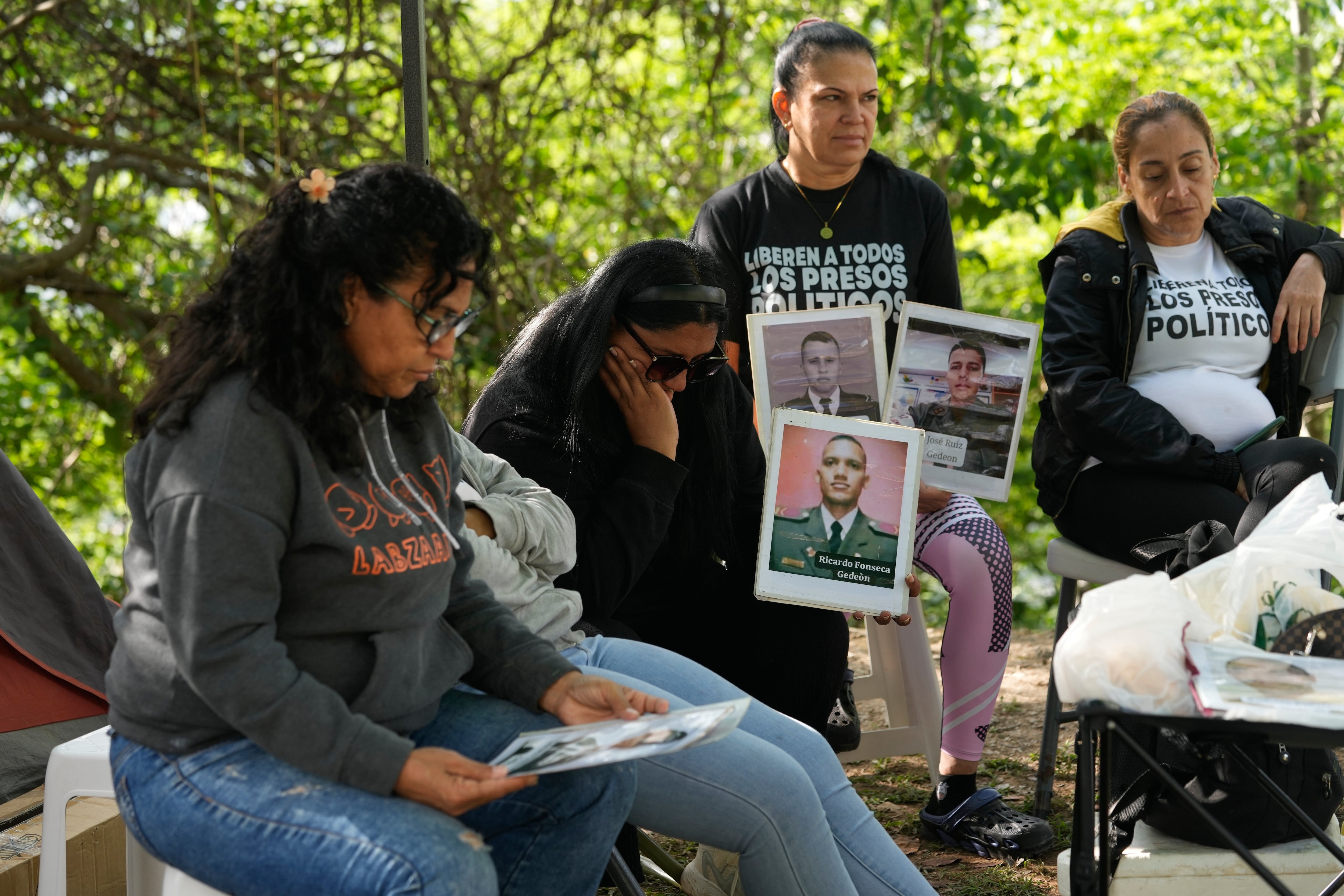
The Venezuelan government on Tuesday authorized the release of another 54 political prisoners, all military personnel, according to information confirmed by relatives of the detainees and support groups such as the Coalition for Human Rights and Democracy. Three of those released are women. According to data provided by Foro Penal official Gonzalo Himiob, most of them were part of the so‑called Operation White Armband, an alleged military conspiracy denounced by Venezuelan intelligence agencies four years ago. They had been held at Ramo Verde prison and the National Institute for Female Rehabilitation (INOF).
Billboards are being painted over and former allies seem eager to forget the man they once glorified
For years, his bewhiskered face stared down from propaganda billboards glorifying the supposedly revolutionary rule of a dictator who styled himself as “the protector of the people”.
The spin-doctored adoration was such that factories churned out plastic action figures exalting Nicolás Maduro as an “indestructible” and “iron-fisted” caped crusader nicknamed “Super Moustache”.
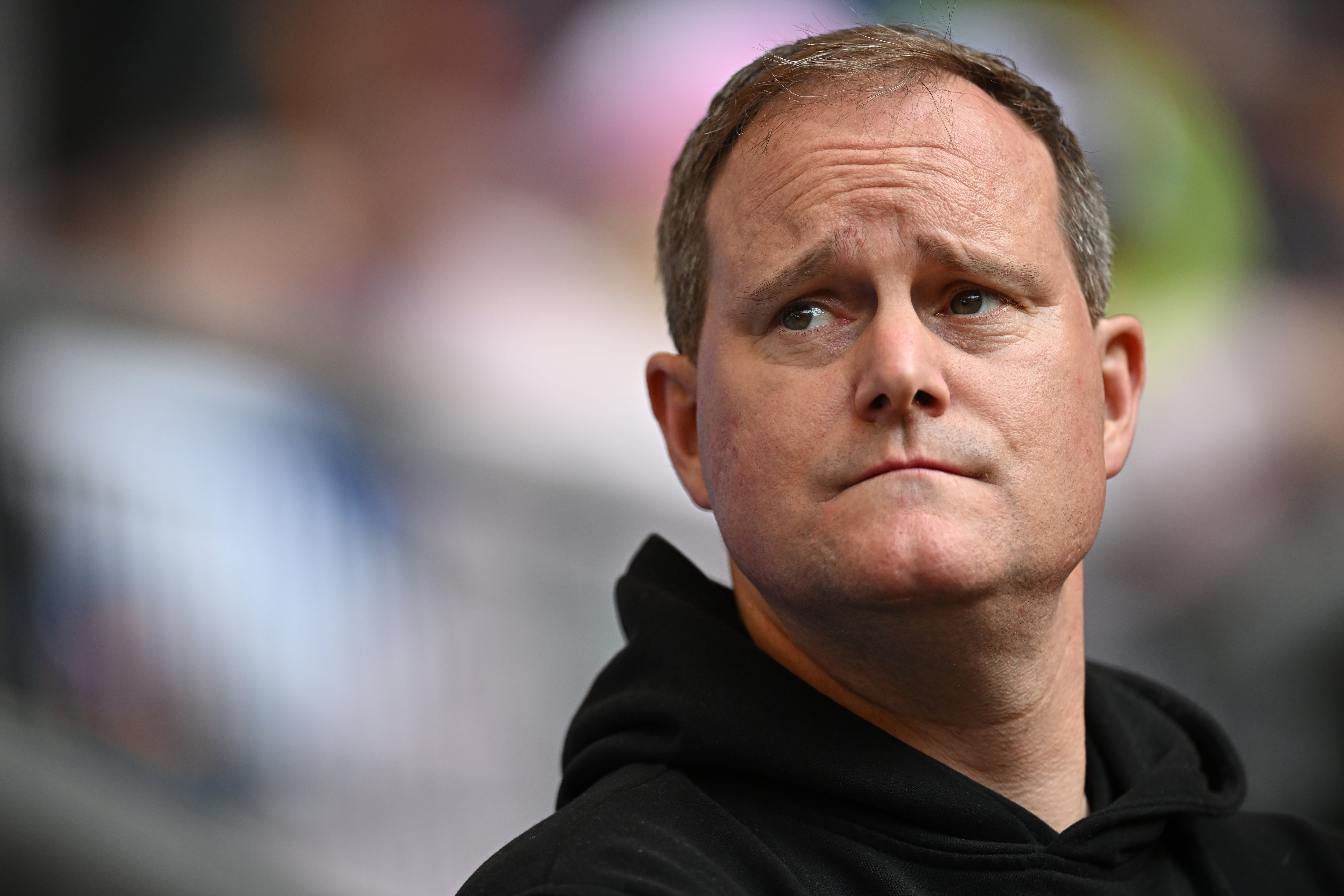
He takes this newspaper’s call on a train bound for Hamburg, home of St. Pauli, continues by car and says goodbye almost an hour later in his office at the headquarters of the modest club, which he has chaired since 2014. Oke Göttlich (Hamburg, Germany; 50) is also one of the 13 vice presidents of the DFB, the German Football Association. And earlier this year, amid threats from Donald Trump’s administration to invade Greenland, Göttlich, a trained journalist, said enough was enough. “What reasons justified the boycotts by certain countries of Olympic Games in the 1980s?” he asked, referring to Moscow 1980 and Los Angeles 1984, in the Hamburger Morgenpost. “In my view, the current threat is greater than back then, so we must have this discussion; a footballer’s life is not worth more than the life of any of the people being directly or indirectly attacked by the host country of the next World Cup.”
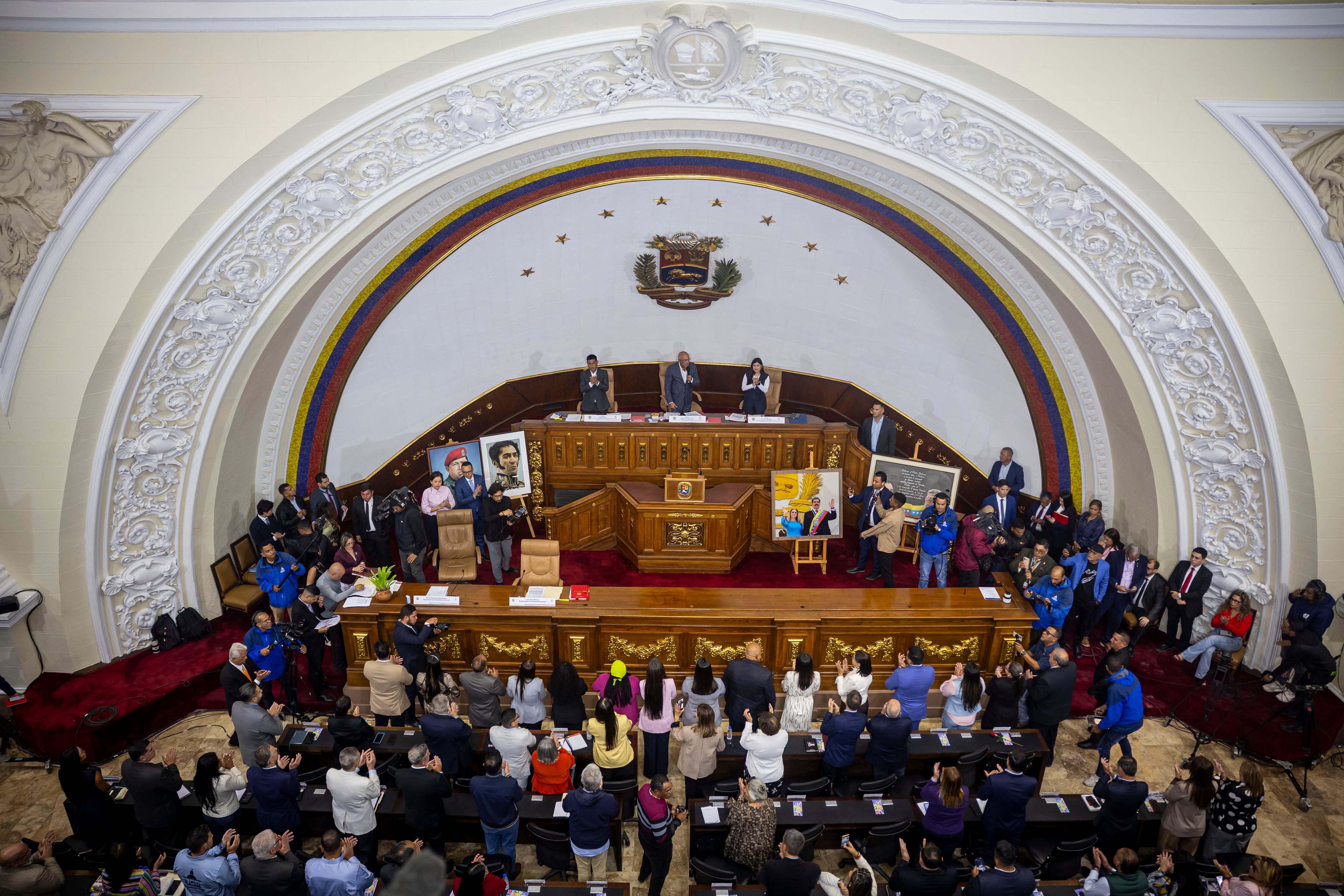
The National Assembly of Venezuela, controlled by Chavismo, has taken a step toward ending the state monopoly over the electricity service, which has been in crisis with blackouts and other problems for two decades. A draft reform to the Organic Law of the Electric System and Service was approved in first reading; it is aimed at opening the field to private capital within a framework of long-term concessions.
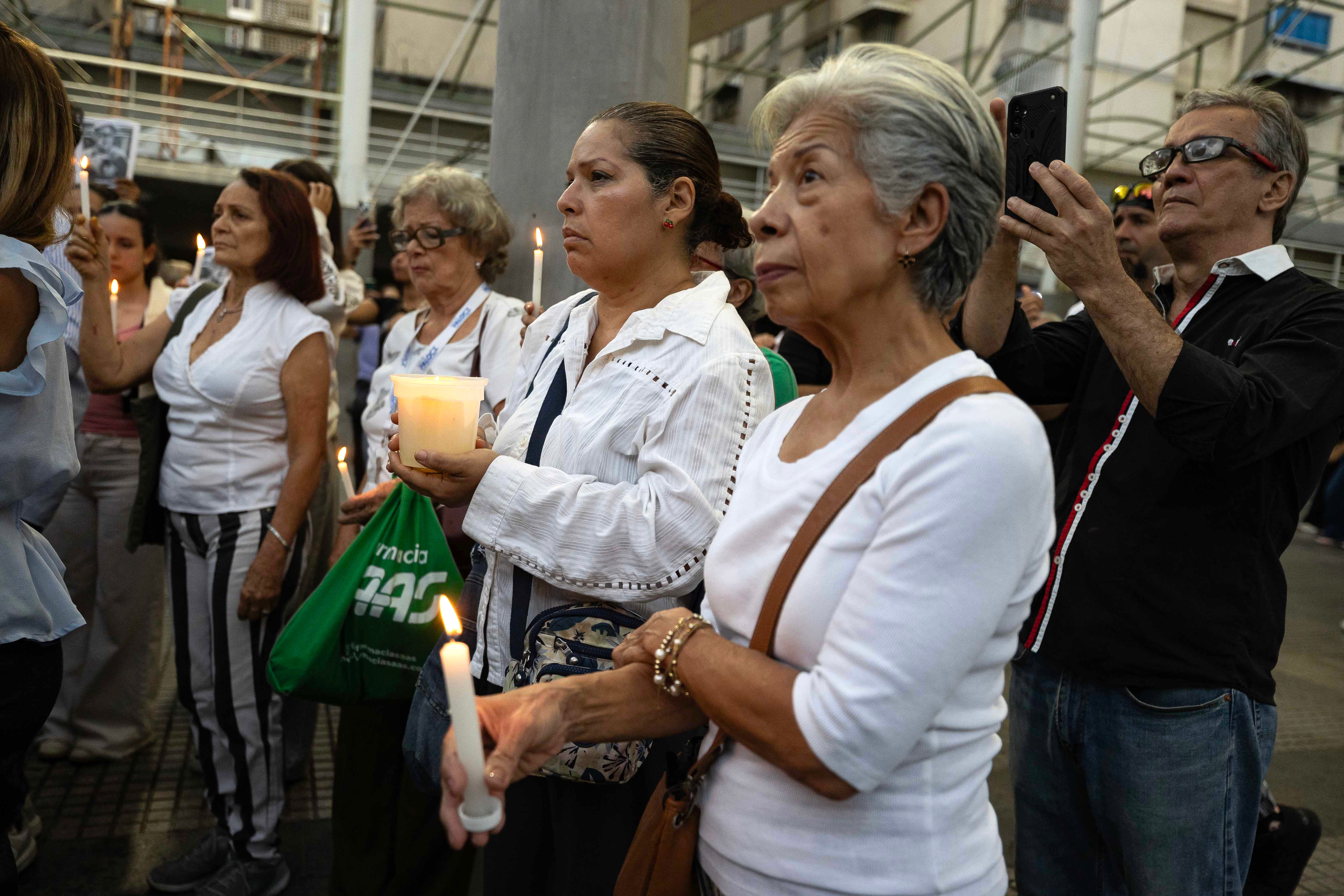
María Emely Delgado crossed paths with Carmen Navas several times this year: at the offices of the NGO Foro Penal, at the Public Ministry, and once at the El Rodeo prison on the outskirts of Caracas. Delgado is 63 years old, Navas was 82. Both were looking for their sons, who disappeared after being arbitrarily detained. Carmen Navas died 10 days after finding her son Víctor Hugo in a cemetery. She had spent 16 months searching for him. María Emely has still not found Jorgen. “You have to be in these shoes to know what this is like,” says the retired teacher, who has been wearing them for almost two years. “Her son had been missing for less time than mine; with Jorgen I’m now coming up on 22 months without news of him.”

 Login
Login