A pocos días de que se produzca el pistoletazo de salida del Mundial 2026, RTVE ha anunciado que el domingo 14 dedicará su prime time al estreno de la docuserie 'Denominación de origen' sobre el lado íntimo de los jugadores de la Selección Española y Disney+ ha apostado por Lionel Messi.
El servicio de streaming acaba de estrenar 'Messi: La cinta olvidada', un documental con el sello de ESPN Films que se adentra en un capítulo tan decisivo como desconocido del fútbol contemporáneo, rescatando el momento exacto en el que el destino del astro argentino cambió para siempre y transformó el rumbo de este deporte a escala global.
Para entender la historia hay que viajar a 2004, una época en la que internet no formaba parte de nuestro día a día y el eco de los logros de un chaval de 16 años que deslumbraba en la cantera del FC Barcelona apenas llegaba a su país natal.
Mientras en Argentina la gran mayoría desconocía su potencial, en España ya se movían los hilos para tramitar su nacionalización, lo que despertó las alarmas de una federación que no terminaba de entender cómo un talento de ese calibre todavía no había sido convocado por su propio país.
La solución a este vacío informativo llegó de la forma más inesperada, cuando un periodista de Barça TV editó un vídeo con las mejores jugadas del joven Messi para que un entrenador asistente de la selección albiceleste se llevara la cinta de VHS en mano a Argentina.
Aquel metraje no solo cruzó el charco, sino que provocó una reacción inmediata y sin precedentes que este trabajo destapa por primera vez: la organización exprés de dos partidos amistosos por parte de la AFA con el único y desesperado fin de hacer debutar a Messi y asegurar, de forma definitiva, su futuro con la camiseta argentina.
Nadie adapta literatura young adult como Prime Video. La plataforma de Amazon se ha especializado en llevar a la pantalla las novelas juveniles del momento, y además con éxito, convirtiéndolas en verdaderos fenómenos del audiovisual, como ha demostrado con la saga Culpables, El verano en que me enamoré o su triunfo más reciente, Off Campus.
Mañana, llega a su catálogo Todos nuestros años,una nueva serie romántica basada en el libro Todos nuestros veranos, de Carley Fortune. Esta obra de 2023, un título de culto en BookTok que se mantuvo 16 semanas en la lista de bestsellers del New York Times y ha vendido más de un millón de copias, por fin da el salto al streaming como una ficción de ocho episodios protagonizada por Sadie Soverall (Saltburn) y Matt Cornett (High School Musical: El musical - La serie).
A medio camino entre El verano en que me enamoré y Gente que conocemos en vacaciones, los éxitos literarios de Jenny Han y Emily Henry, Todos nuestros años es un 'friends-to-lovers' cargado de nostalgia y primeras veces que abarca varios veranos en la vida de sus jóvenes protagonistas, Percy Fraser y Sam Florek. Esto es todo lo que tienes que saber sobre tu nueva obsesión seriéfila, firmada por Amy B. Harris.
'Todos nuestros años': sinopsis
Prime Video ha adelantado así su nueva serie: "Narrada a lo largo de seis años y una semana en Barry’s Bay, el típico pueblo a orillas de un lago, Todos nuestros años es una historia romántica y nostálgica sobre los primeros amores y las personas y decisiones que nos marcan para siempre".
En el libro de Fortune, la trama sigue a Percy, una treintañera de Toronto que, tras una inesperada llamada, regresa a Barry’s Bay, el pueblo a orillas de un lago en el que pasó los veranos de su adolescencia. Han transcurrido 13 años desde la última vez que estuvo allí, 13 años desde que se vio obligada a alejarse de Sam, su mejor amigo y primer amor, por un error que cometió.
La novela salta del presente al pasado para acompañar a los protagonistas durante seis veranos de tardes en el bosque, películas de miedo, historias escritas por Percy, libros médicos de Sam, helados que se derriten, pierogi y noches cálidas en el restaurante de los Florek. Somos testigos de cómo, poco a poco, su amistad se fue convirtiendo en algo más profundo antes de desmoronarse por completo.
Cuando, más de una década después, Percy vuelve a la que ha sentido su casa más que ningún otro lugar en el mundo, descubre que la química con Sam sigue intacta, pero hasta que no se enfrente a las decisiones que tomó, no podrán descubrir si su amor es mayor que los errores que han cometido.
'Todos nuestros años': tráiler
Prime Video ha lanzado el adelanto de la serie, en el que atisbamos momentos y elementos reconocibles de la novela como el reencuentro de Percy y Sam en La Taberna, las pulseras que comparten para jurarse cualquier promesa o el reto de Percy de cruzar a nado el lago mientras Sam la acompaña remando.
'Todos nuestros años': elenco
Todos nuestros años está protagonizada por la intérprete británica Sadie Soverall, conocida por sus papeles en Destino: La saga Winx y Saltburn, y el actor estadounidense Matt Cornett, que saltó a la fama en la apuesta televisiva High School Musical: El musical - La serie. Ambos se meten en la piel de Percy y Sam, la pareja principal.
Los acompañan Aurora Perrineau (KAOS, Westworld) en la piel de Chantal, la mejor amiga de Percy; Abigail Cowen (Destino: La saga Winx) como Delilah, la amiga del instituto de la protagonista; Michael Bradway (Chicago Fire) dando vida a Charlie, el hermano mayor de Sam; Joseph Chiu (La calle del terror: La reina del baile) en la piel de Jordie, amigo de Sam; y Elisha Cuthbert (La vecina de al lado) como Sue, la madre de los Florek.
'Todos nuestros años': fecha de estreno
El verano pasado, el servicio de streaming de Amazon fue el rey de la temporada estival gracias a la conversación que generó (y acaparó) en medios y redes con El verano en que me enamoré, y este 2026 quiere repetir hazaña con su nueva apuesta.
Los ocho episodios de Todos nuestros años se estrenan el 10 de junio en Prime Video, prácticamente un mes después del lanzamiento de Off Campus. ¿Preparado para cambiar la pista de hielo de la Universidad de Briar por el embarcadero de Barry’s Bay? Te prometemos que vas a querer tumbarte bajo el sol canadiense con Percy y Sam.
Las relaciones sentimentales imposibles han dado pie a innumerables comedias, pero pocas parten de una situación tan incómoda como la de esta nueva miniserie británica de seis episodios. Lejos de los problemas conyugales que han servido de punto de partida para comedias como La guerra de los Rose, que conoció un remake el pasado año, la nueva miniserie que llega a Disney + España el 8 de junio riza un poco más el rizo.
La historia de Alice y Steve arranca cuando Alice descubre que Steve, su mejor amigo desde hace años, mantiene una relación con Izzy, su hija de 26 años. Lo que para la pareja supone el comienzo de una historia de amor, para ella representa una auténtica catástrofe que desencadenará serias consecuencias.
Convencida de que está a punto de perder simultáneamente a su mejor amigo y a su hija, Alice decide intervenir. Primero intenta razonar con ellos. Después llegan las súplicas, las amenazas y toda clase de maniobras destinadas a poner fin al romance.
El problema es que Steve no tiene ninguna intención de rendirse. Convencido de que Izzy es la mejor persona que ha entrado en su vida, responde a cada movimiento de Alice, provocando que una amistad aparentemente indestructible termine transformándose en una batalla cada vez más personal.
Para ver en un suspiro
La serie combina humor incómodo, situaciones disparatadas y momentos de drama familiar para explorar cuestiones como la diferencia de edad en las relaciones, los límites de la amistad y la dificultad de aceptar que los hijos terminan tomando sus propias decisiones.
Ideada por Sophie Goodhart (Rivales) y protagonizada por Nicola Walker (Marriage) y Jemaine Clement (Los héroes del tiempo), la ficción viene de arrasar en Canneseries 2026, donde ha ganado el premio a Mejor serie, Premio especial al mejor reparto y Premio del Jurado de estudiantes a la Mejor Serie. Reconocimientos que avalan esta simpática propuesta ideal para maratón.
Con solo seis episodios, sus responsables apuestan por un formato rápido y accesible que permite desarrollar el conflicto sin alargarlo innecesariamente. Además, encuentra buena parte de su fuerza en unos personajes llenos de contradicciones, capaces de resultar entrañables y desesperantes a partes iguales.
Para quienes disfrutan de las comedias dramáticas británicas con diálogos afilados y conflictos familiares poco convencionales, esta puede ser una de esas pequeñas joyas capaces de pasar desapercibidas entre los grandes estrenos, pero que terminan convirtiéndose en una recomendación obligada.
Netflix ya tiene candidata para convertirse en una de las series españolas más comentadas del período estival. Se titula Oasis, llega a España el 19 de junio y mezcla ingredientes que recuerdan tanto a los dramas juveniles de Élitecomo a los misterios de alta sociedad que han convertido a The White Lotusen un fenómeno internacional.
La historia se desarrolla en el resort vacacional más exclusivo del país, un paraíso reservado a familias adineradas que disfrutan de playas privadas, servicios VIP y un sistema de seguridad aparentemente impenetrable. Pero la calma se rompe cuando una joven desaparece sin dejar rastro.
La investigación policial obliga a cerrar el complejo y nadie puede abandonarlo hasta que se esclarezcan los hechos. A partir de ese momento, huéspedes y trabajadores pasan a estar bajo sospecha en una trama donde las apariencias engañan y los secretos amenazan con salir a la luz.
'Oasis': ¿Qué actores intervienen en la serie?
La ficción está encabezada por Ana Garcés, conocida por su trabajo en La Promesa, en el que supone su primer gran proyecto tras despedirse del personaje de Jana Expósito. Junto a ella figuran Tomy Aguilera (Bienvenidos a Edén), Victoria Kantch (El mal invisible) y un reparto que combina nuevos rostros con nombres reconocibles para el público español. Se unen a ellos rostros más asentados como los de Verónica Sánchez (Los Serrano), Unax Ugalde (El infiltrado) o Paco Tous (Los hombres de Paco).
Detrás del proyecto se encuentra Bambú Producciones, responsable de éxitos comoVelvet, Fariña o la propia La Promesa. La serie ha sido creada por Ramón Campos (El caso Asunta) junto a Jon de la Cuesta (Águila Roja), Javier Chacártegui (Now and Then), David Orea (Jaguar) y Ricardo Jornet (La viuda negra), y fue rodada en distintas localizaciones de Tenerife.
Pre-estreno el 10 de junio
Antes de su desembarco mundial en Netflix, Oasis tendrá una presentación muy especial. El primer episodio podrá verse en primicia el próximo 10 de junio dentro del Festival Internacional de Series Ría de Vigo, que celebra su segunda edición entre los días 10 y 12.
La proyección contará además con la presencia de varios miembros del reparto y del equipo creativo, que participarán en un encuentro con el público para desvelar algunos detalles de una producción que aspira a convertirse en una de las apuestas fuertes de la plataforma para este verano.
Julio va a ser un realmente entretenido para ir al cine, ya que, además de 'Spider-Man: Brand New Day', una película de Sony Pictures y Marvel Studios que será la más larga de la franquicia y que se estrenará el próximo 29 de julio, unas semanas antes llegará a la gran pantalla la nueva entrega de una de las sagas de terror más brutales de los últimos años.
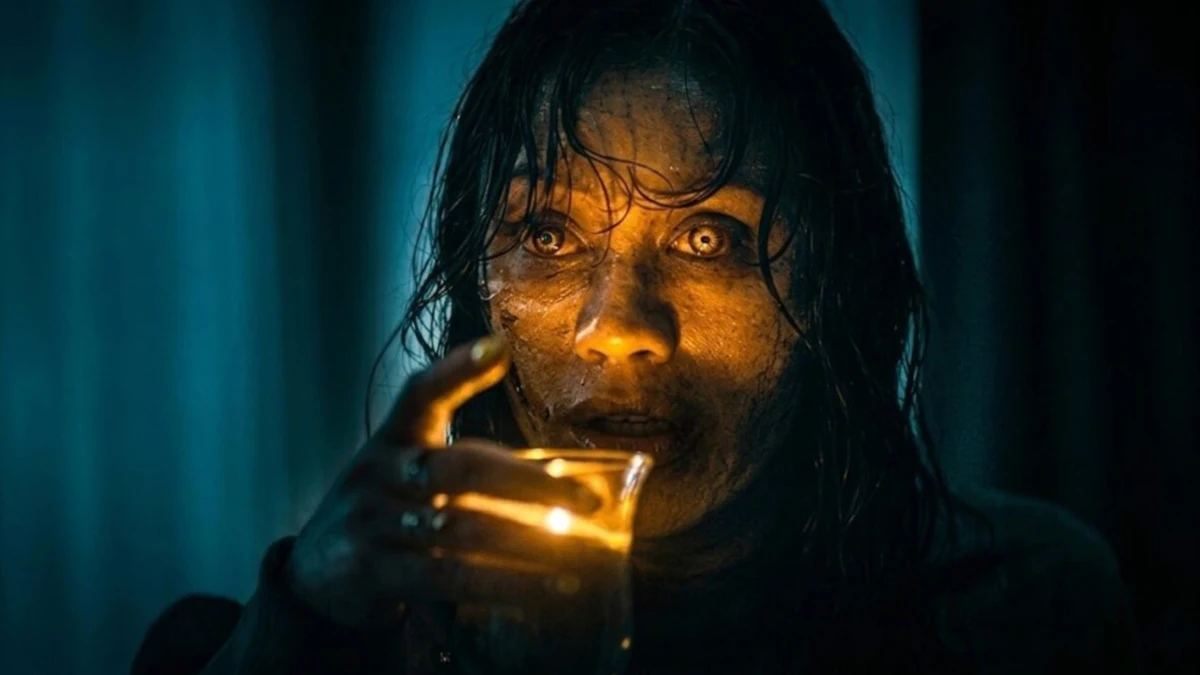
Me refiero a 'Posesión Infernal: En Llamas', una cinta de terror que acaba de estrenar un nuevo tráiler oficial, el cual deja al descubierto que esta franquicia vuelve a hacer lo que mejor se le da: convertir una situación aparentemente cotidiana en una pesadilla empapada en sangre, posesiones y violencia desatada.
Una viuda, una casa aislada y una amenaza demoníaca
A principios del mes pasado, Sony Pictures España compartió a través de su canal de YouTube el primer tráiler oficial de 'Posesión Infernal: En Llamas', la sexta película de la mítica saga de terror creada por Sam Raimi, el cual te dejamos bajo estas líneas.
Pues bien, hace apenas unos días, la cuenta oficial "IGN Movie Trailers" publicó también en YouTube un nuevo tráiler exclusivo de 'Posesión Infernal: En Llamas' o 'Evil Dead Burn' por su título original en inglés.
Tal como se aprecia en dicho tráiler, el cual puedes ver bajo estas líneas, esta nueva película de la franquicia vuelve a apostar por un terror familiar convertido en pesadilla demoníaca.
Así, la premisa de esta nueva entrega gira alrededor de una mujer que, tras perder a su marido, busca refugio con sus suegros en una casa aislada, pero la reunión acaba en tragedia, ya que, poco a poco, los miembros de esta familia se transforman en criaturas demoníacas o "Deadites".
Este tráiler también nos muestra otros de los elementos característicos de las pelis de la saga como los cuerpos deformados, el humor negro macabro, una violencia muy gráfica y el uso de objetos cotidianos como armas o amenazas. De hecho, en el mismo podemos ver a los "Deadites" escalando tejados, el uso del lavavajillas como un arma y un "Deadite" sacándose un reposacabezas incrustado en la cara.
'Posesión Infernal: En Llamas' contará con un elenco formado por Souheila Yacoub, Hunter Doohan, Luciane Buchanan y Tandi Wright bajo al dirección del cineasta francés Sébastien Vaniček ('Vermin: La Plaga') y se estrenará en España el próximo 17 de julio de 2026.
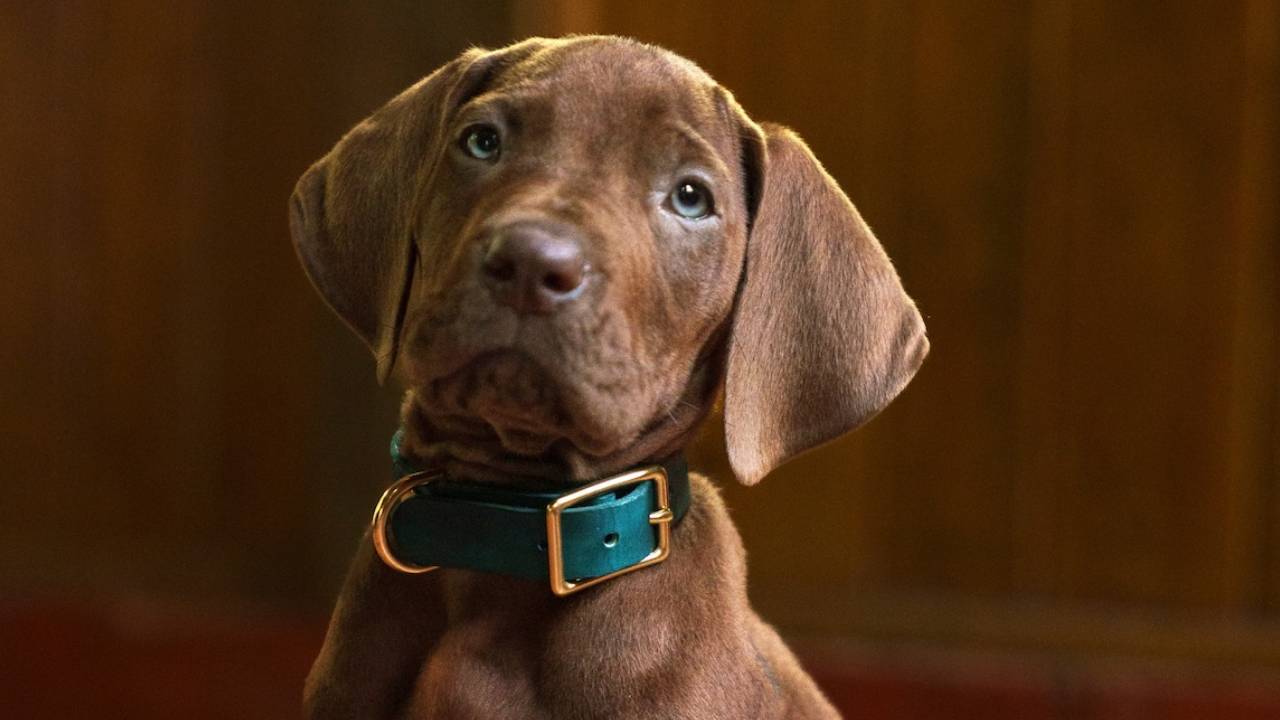
La precuela Scooby-Doo: Origins que prepara Netflix para dar continuidad a la franquicia de misterio creada por Hanna-Barbera, es una de las historias más esperadas por los fanáticos de este grupo de detectives a quienes acompaña un tierno Gran Danés: Scooby Doo.
La plataforma de streaming ha desvelado nuevas imágenes en un pequeño adelanto de la producción —que llegará a su catálogo en 2027— donde se ve a un adorable cachorro de Gran Danés en brazos de un joven Shaggy Rogers (Tanner Hagen), quien en el futuro se convertirá en el inseparable amigo de Scooby-Doo, con el que vivirá más de una decena de misterios que resolver.
En esta ocasión, y por primera vez en más de 50 años de historia del personaje, el entrañable Scooby-Doo será interpretado por un perro real, dejando a un lado la animación y las imágenes generadas por ordenador que se utilizaron anteriormente para dar vida al detective de cuatro patas que acompaña a Misterios S.A.
Scooby-Doo: Origins, la nueva serie de la franquicia Scooby-Doo, muestra las raíces del equipo de detectives que forman Shaggy, Fred, Velma y Daphne, además del origen de la adopción del pequeño Scooby-Doo, su entrañable compañero de cuatro patas.
En este sentido, la trama explora el misterio inquietante que unió por primera vez a los ya clásicos protagonistas. Según detallan desde Tudum, la historia seguirá a Shaggy y a su vieja amiga Daphne Blake, a quien da vida en esta versión Mckenna Grace, durante su último verano de campamento. Los adolescentes se verán envueltos en un terrorífico caso que rodea a un cachorro de Gran Danés solitario y perdido que podría ser el único testigo de un asesinato sobrenatural.
Para resolver el caso, la pareja de amigos no estará sola. Contarán con la ayuda de la pragmática e inteligente Velma Dinkley (Abby Ryder Fortson), una chica del pueblo experta en buscar respuestas lógicas a problemas aparentemente sin sentido, y de Fred Jones (Maxwell Jenkins), el extraño pero atractivo chico nuevo. Juntos se propondrán resolver una intriga que los llevará a una pesadilla que amenaza con revelar sus secretos.
Basada en los personajes originales de Hanna-Barbera, Scooby-Doo: Origins promete ser una historia a caballo entre la nostalgia de quienes crecieron con la serie animada y la atmósfera de suspense mucho más asfixiante y madura de los thrillers de Netflix.
Elenco y fecha de estreno de 'Scooby-Doo: Origins'
Por el momento no hay una fecha de estreno marcada en el calendario para Scooby-Doo: Origins, aunque ya se encuentra en producción y se prevé que llegará a Netflix durante el próximo año 2027.
En cuanto al reparto de la esperada precuela, el elenco de protagonistas está compuesto por McKenna Grace, Maxwell Jenkins, Abby Ryder Fortson y Tanner Hagen; a los que se unirá Paul Walter Hauser (Los Cuatro Fantásticos: primeros pasos), en un papel que aún está por determinar.
Scooby Doo, una franquicia clave en la cultura pop actual
Durante más de medio siglo, Scooby-Doo se ha consolidado como un fenómeno de la cultura pop global. Desde su debut en los años 60, la franquicia demuestra tener una capacidad única para reinventarse y expandir su universo a través de múltiples formatos. El universo Scooby-Doo acumula un legado audiovisual impresionante que abarca tres películas con actores reales, más de una docena de series y casi 40 películas animadas para la pequeña pantalla.
La capacidad de la saga para seguir creando nuevas aventuras convierte a los miembros de Misterios S.A. en iconos generación tras generación. Su fórmula magistral —que fusiona el suspense, los monstruos y el humor— no solo ha marcado la infancia de millones de espectadores, sino que ha dejado una huella inquebrantable en el imaginario colectivo, demostrando que el icónico Gran Danés y el equipo de detectives siguen tan vivos hoy como a finales de los años sesenta.
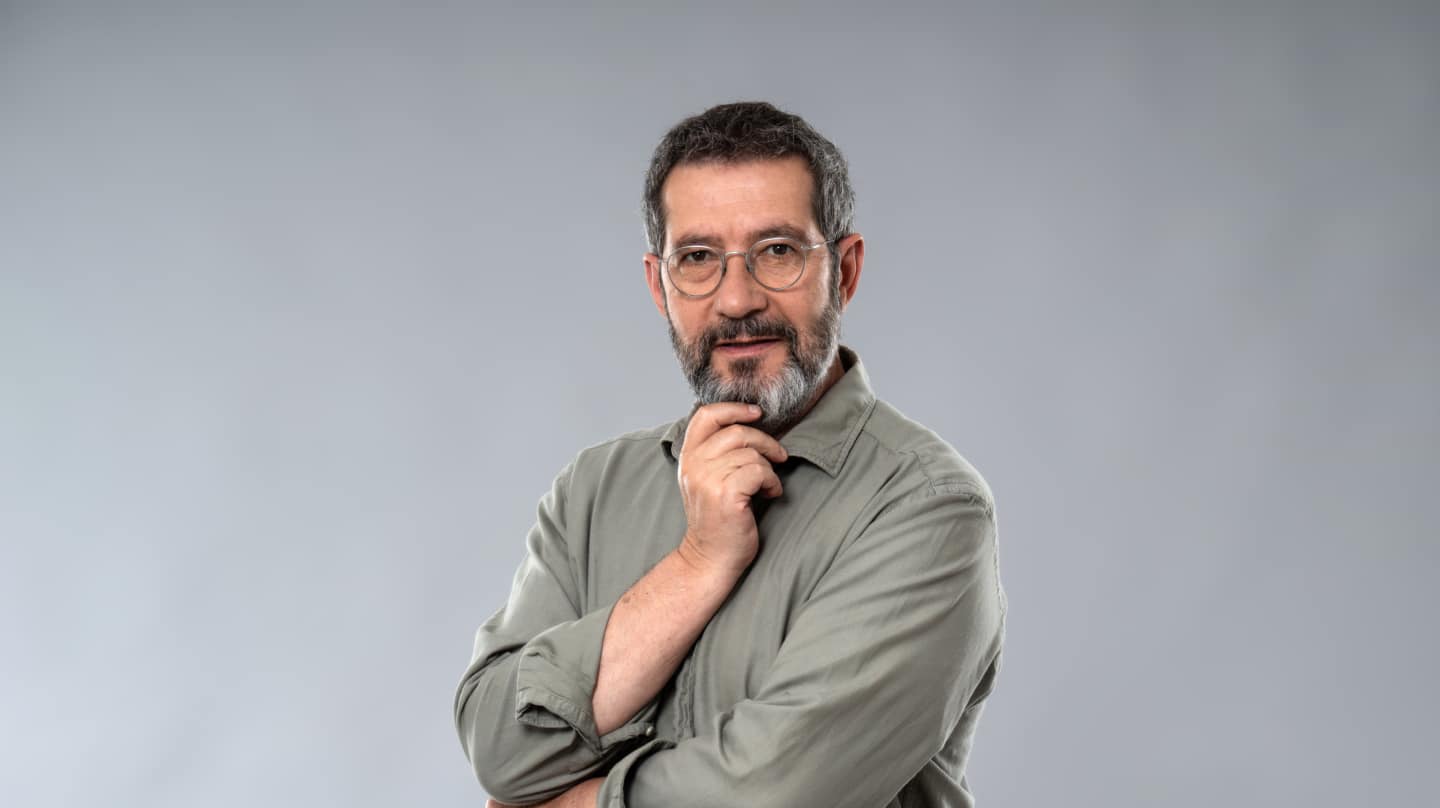
A Carles Porta le conocerán por Crims, el programa de televisión que emite con sumo éxito el canal autonómico TV3 desde el año 2020. Su segunda y tercera ventana son Movistar Plus y Netflix, adónde aún no ha llegado la sexta temporada. La última entrega de Crims, la número 62, se estrenó el pasado 11 de mayo, con casi medio millón de espectadores en directo. Más de un 24% de cuota de pantalla. Son datos audiencia excelentes. Carles Porta es profeta en su tierra. Antes, en 2018, lanzó Crims como espacio radiofónico. Su última entrega, la número 231, se retransmitió el pasado 5 de junio. La premisa era –es– básica: un capítulo (o dos), un crimen sucedido en Cataluña durante la segunda mitad del siglo XX o el siglo XXI. El true crime de toda la vida. Siempre, eso sí, desde el género del documental. Hasta ahora.
Atresplayer estrenó el domingo 7 de junio los dos primeros capítulos de la miniserie de seis entregas 33 días, que ficciona el caso Brito y Picatoste (2001); el mismo que abordó la primera entrega –doble– de la versión televisiva de Crims, a principios de 2020. El círculo se cierra. El Independiente habla con Carles Porta, que ya está preparando junto al guionista Eduard Sola (Querer, El cuerpo en llamas) una miniserie de ficción para Movistar Plus, Veredicto, sobre la realidad del funcionamiento del jurado popular. "Tenemos muchos más casos y muchas más peticiones de hacer true crime en ficción", avanza el periodista a El Independiente.
P.-33 días, en Atresplayer; Abandonados, en Disney+; Peregrina, en Movistar Plus. Crims, cada temporada. ¿Eres el rey Midas? ¿El hombre de moda?
R.- (Carles Porta) No. Tengo un equipo muy grande y maravilloso, con muchísimo talento. Nuestra sociedad [True Crime Factory] hace que mi nombre salga mucho, pero la realidad es que, sin ese equipo, yo no sería nada. Por suerte tengo mucha gente muy talentosa que me ayuda a hacer todas estas cosas; si no, sería imposible.
P.- Tu sello está ahí. Cuanto más grandes os habéis ido haciendo y más proyectos habéis ido asumiendo... ¿Te ha costado delegar? ¿Confiar en otras personas para llevar a cabo Crims y el resto de programas que habéis hecho?
R.- (Carles Porta) Es una cuestión de compartimentación del trabajo, de saber intervenir en el momento que me toca. Mi intervención se produce sobre todo al inicio y al final, y de vez en cuando mientras se produce la evolución de la historia. Mientras tanto, todo el mundo sabe lo que tiene que hacer. En 33 días hubo gente con muchísimo talento en todas las fases del proyecto. Javier Olivares, Jordi Calafí y Xavi Puerta en guion; Anaïs Pareto en dirección; y luego en el montaje, sobre todo, Laura Tremoleda y Santi Baró, que son mi guardia pretoriana en este tipo de cosas. También es cierto que se ha producido ahora una coincidencia de estreno, pero el trabajo viene hecho desde hace mucho tiempo.
P.- Esto es como los actores que de repente tienen tres películas en cartelera, pero llevan un año sin trabajar. No es vuestro caso. ¿Es 33 días tu primer proyecto de ficción como tal?
R.- (Carles Porta) Mi primer proyecto de ficción fue la película Segundo origen [2015], que tenía que haberlo dirigido Bigas Luna, que se murió, y al final lo dirigí yo. Pero mi primer proyecto de serie de televisión sí es 33 días, y es una mezcla de ilusión y canguelo. La exhibición, en un mundo como el de la ficción en televisión, que está lleno de tanto talento, que hay tantas productoras [detrás], que es tan exigente; te da un poco de miedo porque puedes patinar y darte una hostia. Yo, en este caso, estoy muy tranquilo porque me ha acompañado muchísimo talento, y estamos ante un producto que –creo– ha quedado muy bien. Me da poco miedo salir a la calle con esto.
P.- Un documental como Crims tiene formas de ficción. Se corre el riesgo de que a lo mejor un sector de la audiencia viva estos documentales true crime como series de televisión, como ficción. Y ahora hacéis una serie de televisión, una ficción basada en hechos reales. ¿Te preocupa, como creador de la serie, que el público se entretenga con una ficción sin reparar en la realidad?
R.- (Carles Porta) La cuestión es que el espectador es inteligente; eso, primero. Por otra parte, nosotros no engañamos al espectador. Lo que hemos hecho en este caso es cambiar los nombres por honestidad con el espectador y con los personajes reales. Entonces, a partir de ahí, la gente puede entender que partimos de una historia real, pero que estamos ante una ficción. Y, luego, la manera de caminar en la ficción es muy distinta a la manera de caminar en el true crime. En el true crime te salen los policías, los personajes que han quedado vivos, etcétera, etcétera. En el true crime contamos qué pasó y cómo pasó; qué es lo que se pudo investigar.
Pero aquí [33 días] hemos querido ir más adentro, cambiando los nombres; eso nos ha permitido entrar en el por qué pasó lo que pasó. Quien haya visto el documental [Brito y Picatoste] sabe cómo empieza y cómo acaba la historia, pero no sabe cómo evolucionó esa historia. ¿Por qué pasó esa historia? Esto es lo que va a ver en la ficción.
Nuestro reto era mantener la credibilidad para el espectador; la fuerza de estas historias es que sean creíbles. Y para que sean creíbles tienes que hacer una filmación realista o naturalista; las interpretaciones tienen que ser muy de verdad, y ahí tanto [José Manuel] Poga como [Julián] Villagrán han hecho un trabajo increíble; y el montaje te tiene que dar una intensidad y un ritmo que no te deje pensar en si eso es verdad o no, que te abduzca, que lo vivas constantemente. Creo, sinceramente, que lo hemos conseguido todo.
P.- En otros países como Estados Unidos, quizás por la legislación, sí hay una mayor tradición [en la ficción] de 'no sabemos lo que pasó, pero nos lanzamos al vacío y nos montamos nuestra teoría'. Está la verdad jurídica y luego está lo que podría haber pasado. ¿Os habéis permitido, con la parte policial o la relación entre esos dos hombres, ir más allá? Como, por ejemplo, que uno estuviera enamorado del otro; eran algo más que amigos.
R.- (Carles Porta) Nosotros hemos cambiado los nombres precisamente para poder inventarnos los que nos dé la gana. Y aún así somos muy respetuosos con lo que creemos que pasó de verdad; pero la realidad, primera y refutable, es que hemos cambiado los nombres. O sea, la historia que nosotros contamos está inspirada en la fuga de Brito y Picatoste, pero nuestros personajes se llaman Prieto y Calatrava. Y ahí acaba el debate.
P.- Tanto en ficción como en documental, vuestro equipo legal será muy importante. ¿Ha pasado, con 33 días, Crims u otros documentales, que os haya recomendado eliminar algo o rebajar [el tono]?
R.- (Carles Porta) Ha pasado. Nosotros tenemos un equipo legal muy potente, y cada imagen, cada frase, es revisada por el equipo legal, tanto en los capítulos de crímenes reales como en 33 días. Nosotros partimos desde el respeto; no queremos meternos en berenjenales. Cuando son historias reales, contamos la realidad; y cuando son historias inventadas, las contamos con respeto. Así que nuestro equipo legal, aparte de ser exageradamente restrictivo, tiene muy pocos problemas. No estamos teniendo problemas, y vamos a seguir así; no nos va mal.
Sí creo que el mundo judicial y legal español –quienes hacen, interpretan y aplican las leyes– debería hacer una reflexión profunda en torno a todo esto. Nosotros aprendemos a partir de sentencias y de la jurisprudencia que generan las sentencias, porque las leyes necesitan un poquitín más de pensamiento profundo.
Ahora se está hablando de una ley anti true crime, que al final es una ley para que se aplique la ley, que ya existe. Porque las leyes españolas existen, y esas leyes españolas, si se cumplen, no generan ningún tipo de problema.
Y te diría otra cosa también: los conflictos mediáticos o sociales han sido superpuntuales. Ha habido muy pocos. La ley debe aplicarse contra aquellos que teóricamente no han cumplido la ley, pero es que estas situaciones conflictivas no han entrado en los juzgados. Nosotros llevamos más de 500 horas de true crime emitidas y no hemos tenido ni un solo problema. Y así vamos a seguir.
Netflix ya tiene candidata para convertirse en una de las series españolas más comentadas del período estival. Se titula Oasis, llega a España el 19 de junio y mezcla ingredientes que recuerdan tanto a los dramas juveniles de Élitecomo a los misterios de alta sociedad que han convertido a The White Lotusen un fenómeno internacional.
La historia se desarrolla en el resort vacacional más exclusivo del país, un paraíso reservado a familias adineradas que disfrutan de playas privadas, servicios VIP y un sistema de seguridad aparentemente impenetrable. Pero la calma se rompe cuando una joven desaparece sin dejar rastro.
La investigación policial obliga a cerrar el complejo y nadie puede abandonarlo hasta que se esclarezcan los hechos. A partir de ese momento, huéspedes y trabajadores pasan a estar bajo sospecha en una trama donde las apariencias engañan y los secretos amenazan con salir a la luz.
'Oasis': ¿Qué actores intervienen en la serie?
La ficción está encabezada por Ana Garcés, conocida por su trabajo en La Promesa, en el que supone su primer gran proyecto tras despedirse del personaje de Jana Expósito. Junto a ella figuran Tomy Aguilera (Bienvenidos a Edén), Victoria Kantch (El mal invisible) y un reparto que combina nuevos rostros con nombres reconocibles para el público español. Se unen a ellos rostros más asentados como los de Verónica Sánchez (Los Serrano), Unax Ugalde (El infiltrado) o Paco Tous (Los hombres de Paco).
Detrás del proyecto se encuentra Bambú Producciones, responsable de éxitos comoVelvet, Fariña o la propia La Promesa. La serie ha sido creada por Ramón Campos (El caso Asunta) junto a Jon de la Cuesta (Águila Roja), Javier Chacártegui (Now and Then), David Orea (Jaguar) y Ricardo Jornet (La viuda negra), y fue rodada en distintas localizaciones de Tenerife.
Pre-estreno el 10 de junio
Antes de su desembarco mundial en Netflix, Oasis tendrá una presentación muy especial. El primer episodio podrá verse en primicia el próximo 10 de junio dentro del Festival Internacional de Series Ría de Vigo, que celebra su segunda edición entre los días 10 y 12.
La proyección contará además con la presencia de varios miembros del reparto y del equipo creativo, que participarán en un encuentro con el público para desvelar algunos detalles de una producción que aspira a convertirse en una de las apuestas fuertes de la plataforma para este verano.
El rodaje de la tercera temporada de The Last of Usse ha visto interrumpido de manera imprevista estos días. HBO Max ha anunciado que la producción, que se desarrolla en Vancouver (Canadá), tendrá que detenerse entre el 1 y el 28 de junio.
Aunque la compañía no ha explicado oficialmente los motivos, varios medios estadounidenses señalan que la pausa se debe a problemas logísticos ocasionados por la celebración del Mundial de Fútbol. La situación ha llevado a muchos a recordar lo ocurrido con la segunda temporada, que también sufrió retrasos.
Durante la preproducción de la segunda temporada, en 2023, The Last of Us tuvo que interrumpir sus tareas de preparación, incluido el proceso de casting. Esto provocó que el rodaje comenzara meses después de lo esperado y que, en consecuencia, también lo hiciera su lanzamiento en la plataforma, más de dos años después de la primera temporada.
En aquel caso, la demora se produjo por la huelga de actores y de guionistas de Hollywood, que afectaron gravemente a la industria del cine y la televisión y obligaron a numerosas series y películas a reajustar sus calendarios y fechas de estreno.
Si se repitiera una situación similar y la tercera temporada sufriera nuevos retrasos -la Copa Mundial de la FIFA México, Estados Unidos y Canadá se celebra del 11 de junio al 19 de julio- la serie podría atrasarse hasta finales del 2027 o inicios de 2028.
Los nuevos episodios llegan además en un momento especialmente controvertido tras lasalida de la serie de Neil Druckmann, creador de los videojuegos originales y codirector y showrunner de las dos primeras temporadas, así como del actor Danny Ramírez, quien interpretaba a Manny. A ello se suma el final del arco narrativo de Joel Miller, interpretado por Pedro Pascal, y el creciente protagonismo de Abby, personaje al que da vida Kaitlyn Dever.
El fuego vuelve a crepitar. El universo de Juego de tronos crece con la tercera temporada de La casa del dragón, apenas unos meses después de que se estrenara la primera tanda de capítulos de El caballero de los siete reinos. HBO Max España inaugura la nueva temporada de La casa del dragóneste 22 de junio.
La tercera temporada de La casa del dragón se compone de ocho episodios, con una duración aproximada por entrega de una hora. De nuevo, HBO apuesta por el estreno semanal en lugar de la tendencia principal de las plataformas, en las que o bien se vuelca toda la temporada de una vez o bien se distribuye en tandas de episodios.
Los amantes deLa casa del dragón deben de poner su alarma en los lunes. Cada primer día de la semana, se incorpora un nuevo capítulo de la serie basada en la obra de George R.R. Martin. Por tanto, tras el 22 de junio, la siguiente fecha de estreno será el 29, y así hasta llegar al 9 de agosto, cuando se incorpora al catálogo la octava entrega de esta tercera temporada.
¿De qué trata esta temporada de 'La casa del dragón'?
Las maquinaciones han llegado a su fin. Por eso, la Batalla de Gullet abre la tercera tanda de episodios de La casa del dragón: para marcar el tono de lo que estará por venir. Rhaenyra Targaryen, interpretada por Emma D’Arcy, se liberará en esta temporada. Sus maniobras entre las sombras, jugando varias partidas de ajedrez al mismo tiempo, han terminado, y ahora debe dar un paso adelante. La actriz ya ha anunciado que conoceremos a una nueva Rhaenyra en los próximos capítulos.
La gobernante justa e íntegra (o más o menos justa e íntegra según el canon de George R.R. Martin) quedará atrás para cederle su puesto a una villana que no evita el derramamiento de sangre para fortalecer su puesto como reina. Algo que los seguidores de Juego de tronos podían prever: ya sabían de cierta Targaryen que parecía muy legal hasta que tocó el hierro del trono. De momento, aquello de que los dioses lanzaban una moneda al aire cuando nacía un hijo de la casa del dragón está saliendo siempre cruz.
Stephen King dirigió su primera película, La rebelión de las máquinas, bajo la premisa “nadie era capaz de adaptar este relato, así que tuve que hacerlo yo”. El resultado fue un desastre que ya es obra de culto y King nunca repitió al otro lado de la cámara. Justo al contrario que con Cien años de soledad, cuya segunda temporada desembarca en Netflix España este 5 de agosto.
El paralelismo entre La rebelión de las máquinas y Cien años de soledad está en que la monumental novela de Gabriel García Márquez ha sido trasladada a la pequeña pantalla, si bien no por su autor, sí por su hijo, Rodrigo García. Pese a que su carrera como director en cines sea discreta, en su currículo seriéfilo hay obras maestras como Dos metros bajo tierra, en la que fue uno de los directores de capítulo más recurrentes.
La segunda temporada de Cien años de soledad finiquita el trasvase literatura-cine, y Netflix ha diseñado un plan específico: sus ocho episodios se dividen en dos fechas diferentes. La primera es el 5 de agosto, en la que se nos devuelve al mundo de los Buendía. La segunda, el 26 de agosto, cuando los cien años de soledad concluyen de golpe.
Todo sobre la 'Cien años de soledad' de Netflix
La familia Márquez, que recientemente ha publicado una novela que el Nobel de Literatura desechó, parece decidida a librar una batalla imposible: la de introducir el realismo mágico en el celuloide, operación que, en general, pocas veces ha salido bien. No por casualidad el boom latinoamericano tiene pocas adaptaciones, ninguna de mérito y casi todas del único miembro que no exploró el realismo mágico, Vargas Llosa.
Si hasta ahora Cien años de soledad apenas había gozado de tentativas de adaptación es por un motivo: es un rompecabezas narrativo. Pero Netflix, desde que compró los derechos de Pedro Páramo, parece haberse aficionado al realismo mágico, y la primera temporada de Cien años de soledad no pasó desapercibida.
El anuncio de la serie se anticipó por parte del público desde dos ángulos: o es un desastre catedralicio o una obra colosal de la pequeña pantalla. Ni lo uno ni lo otro: la versión Netflix de Cien años de soledad gozó, en general, de buenas críticas e incluso ganó el Premio Platino del Cine Iberoamericano a mejor teleserie o miniserie.
A estas alturas, debería haber quedado claro que uno no ve The Last of Us para alegrarse el día. Sin embargo, una cosa es que la serie de HBO nos haga sufrir lo más grande con sus historias emocionales, postapocalípticas y fungosas, y otra que nos llevemos un mazazo por culpa de su calendario de rodaje.
Y esto último es justo lo que acaba de ocurrir: según ScreenRant, las fechas previstas para el rodaje de The Last of Us en la Columbia Británica (Canadá) se han suspendido sin explicaciones. Esto no significa necesariamente que la cadena y el productor Craig Mazin (responsable del show tras el abandono de Neil Druckmann) hayan decidido darle cerrojazo, pero sin duda hará sudar tinta a los fans de Ellie (Bella Ramsey).
¿Por qué se ha suspendido el rodaje de 'The Last of Us'?
La evidencia del parón está en el registro de rodajes del gobierno de Columbia Británica. Según vemos en el documento, la tercera temporada de Calm Current (el título de trabajo de The Last of Us) cancelará su producción del 1 al 28 de junio, aunque su fecha de fin de rodaje sigue fijada para el 27 de noviembre.
Aunque no tenemos una razón oficial para la suspensión, ScreenRant especula con que este puede deberse al Mundial de Fútbol 2026, que tendrá lugar en EE UU, Canadá y México del 11 de junio al 29 de julio. Teniendo en cuenta las dimensiones del evento y las medidas de seguridad que este llevará consigo, es fácil pensar que este puede convertir cualquier rodaje en una pesadilla logística.
Es más: el mismo documento señala que la cuarta temporada de Yellowjackets también ha sido suspendida, aunque, en este caso, volverá a ponerse en marcha el 10 de junio.
Basada, al igual que su predecesora, en el videojuego The Last of Us: Parte II, la tercera temporada de la serie dejará de seguir a Ellie para centrarse en su archienemiga Abby (Kaitlyn Dever) y en su protegido Lev (Kyriana Kratter), que recorren una región devastada por sectas religiosas, grupos paramilitares y, claro, infectados por el hongo cordyceps. El estreno de la nueva etapa está previsto para 2027.
Las plataformas siguen apostando por los thrillers británicos de ritmo intenso y personajes en situaciones límite, expandiendo una fórmula que seduce a gran parte del público. Un formato que cotiza al alza, ya que colma sus expectativas sin necesitad de que tenga que invertir media vida en maratones interminables.
La próxima en sumarse a la lista inagotable es Tráfico aéreo, una miniserie de seis episodios que llega a HBO Max el 11 de junio con una premisa tan sencilla como efectiva: una madre dispuesta a cruzar todas las líneas para salvar a su hijo.
La protagonista es Jo Conran, interpretada por Katherine Kelly, una mujer cuya vida se desmorona cuando su hijo termina encarcelado en Bulgaria acusado de un asesinato que ella está convencida de que no cometió.
Lo que comienza como una lucha desesperada por demostrar su inocencia pronto se transforma en una pesadilla. Una organización criminal detecta su vulnerabilidad y la obliga a colaborar en una red de tráfico de drogas si quiere volver a ver a su hijo en libertad.
La serie explora cómo una persona corriente puede verse empujada a tomardecisiones extremas cuando siente que no tiene otra salida. Cada paso que da Jo para acercarse a la verdad la introduce todavía más en un mundo dominado por la corrupción, las amenazas y el crimen organizado
Lejos de apoyarse únicamente en la acción, Tráfico aéreo construye buena parte de su tensión a través de los dilemas morales de su protagonista. ¿Hasta dónde es capaz de llegar una madre cuando el sistema parece haberle dado la espalda?
Con apenas seis capítulos, la ficción apuesta por una narración compacta y sin relleno, una fórmula que suele funcionar especialmente bien dentro del thriller británico. Para quienes buscan una serie intensa, con suspense constante y una protagonista obligada a jugar una partida imposible, esta puede convertirse en una de las sorpresas televisivas de junio.
En 2025 nos enterábamos de que Netflix preparaba un live-action de Scooby-Doo, la serie de dibujos animados que nació en los años 60 de la mano de Hanna-Barbera y alcanzó el estatus de clásico de la animación gracias a sus versiones posteriores de los 80 y 90. Sus películas de acción real de los 2000 también conquistaron al público, que esperaba con ansias una nueva adaptación en carne y hueso de los personajes.
Ha tenido que pasar bastante tiempo para que podamos empezar a echar un primer vistazo a los protagonistas, aunque el resultado no ha dejado a satisfechos a todos por igual, especialmente por la nueva apariencia de su gran danés.
Netflix ha publicado un vídeo en el que vemos, desde un plano subjetivo, cómo se mueve Scooby-Doo para, finalmente, mostrarlo en una primera imagen junto a Shaggy. Se trata de una versión realista del perro que difiere mucho de la imagen a la que estamos acostumbrados y que ha provocado todo tipo de reacciones.
Entre los comentarios más compartidos se encuentran quienes señalan que "parece un perro callejero", que "el CGI es horrible" o que "nadie pidió tanto realismo para la serie".
A través de 8 episodios, y bajo el nombre de Scooby-Doo: Origins, esta serie precuela también cuenta con Mckenna Grace (Scream 7) como Daphne, Abby Ryder Fortson (The Pitt) como Velma, Maxwell Jenkins (Un lugar en el cielo) como Fred y Tanner Hagen (Just Like You: Food Allergies) como Shaggy.
Esta nueva serie cuenta los orígenes de Misterios S. A., lo que explica que Scooby-Doo sea todavía un cachorro de gran danés que intenta sobrevivir a un asesinato sobrenatural. Ante este nuevo caso, la pandilla tendrá que unirse para descubrir los secretos que se ocultan tras él.
Scooby-Doo: Origins cuenta con Toby Haynes (Andor, Black Mirror) en la dirección, trasladando a la pequeña pantalla el guion de Josh Appelbaum (Ninja Turtles (Las Tortugas Ninja) y Scott Rosenberg (Venom).
La serie llegará a la plataforma en 2027, a falta de una confirmación de su fecha más concreta.
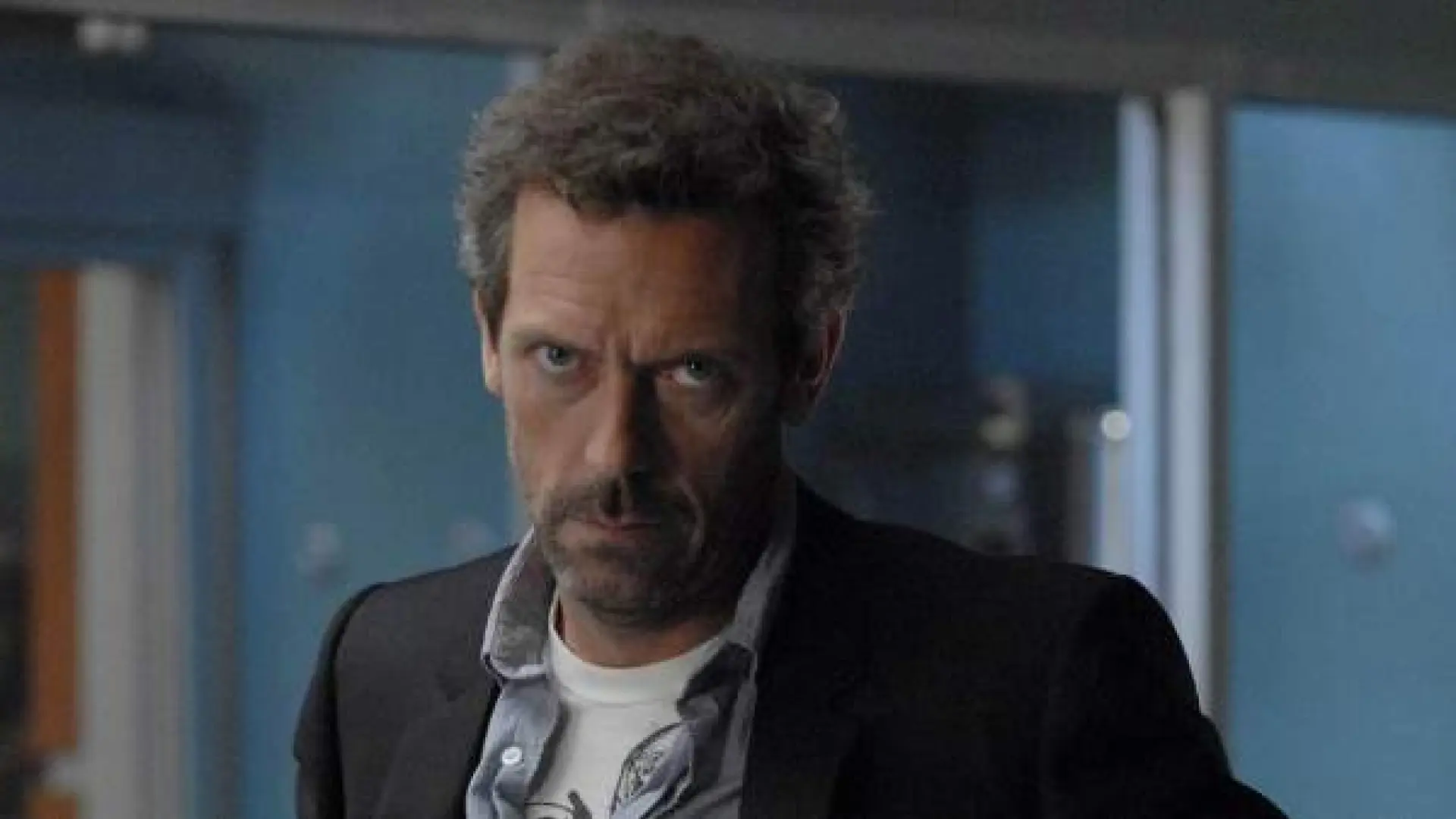
66 años de edad, notables carreras como actor y músico, además de escritor ocasional, y un severo historial de depresiones contra las que lleva luchando toda su vida: si a este perfil de Hugh Laurie lesumamos su exquisita educación (Cambridge, nada menos) y esa flema británica que le sale por los poros, intuiremos que el actor no es alguien con quien uno deba meterse. Por algo le salían tan naturales los pullazos del doctor Gregory House.
Janet Murray, sin embargo, no ha tenido en cuenta todos estos indicios, y eso le ha salido bastante caro. En un mensaje de X (antes Twitter), esta periodista inglesa ha osado meterse con House, la serie que Laurie protagonizó entre 20014 y 2012: su premio, por así decirlo, ha sido un descacharrante mensaje del propio Hugh Laurie desmontando sus argumentos con una saña propia del galeno cojo, pero mucha más finura.
"Si el paciente se moría, el público no estaba contento"
En su mensaje, Murray reconocía haber visto los primeros capítulos de House, detectando en ellos una estructura basada en los sucesivos tanteos del protagonista y su equipo para encontrar un diagnóstico. Todo esto se resuelve cuando "Hugh Laurie tiene una idea imprevista en el último momento". "¿Ocho temporadas así?", se quejaba la periodista.
"Gracias por tu crítica", Janet, comenzaba la respuesta de un educado Laurie antes de sacar el bisturí. "Intentamos rodar un par de episodios en los que House lo resolvía todo a la primera, pero solo duraban 6 minutos. En NBC no estaban contentos. Entonces lo intentamos con otros en los que House nunca acierta y el paciente se moría. El público no estaba contento".
¿Se quedó contento el actor con esta disección narrativa? En absoluto. "Tu incisivo análisis podría aplicarse a otras formas artísticas -prosiguió su respuesta-. J. S. Bach escribió 30 Variaciones Goldberg con la misma progresión de acordes; Frida Kahlo pintó 50 autorretratos; y [el escultor] Henry Moore, ¿qué?".
"La cuestión es, o eran, las variaciones sobre un tema: si solamente ves un hospital, medicinas y bla, bla, bla, entonces es que esto no es para ti", concluía Hugh Laurie antes de decir adiós con lo que podría ser la invectiva más fina de todas: "En todo caso, estoy deseando leer tu primera novela".
Además de protagonizar House, serie por la que fue nominado siete veces a los premios Emmy y ganó dos Globos de Oro, Hugh Laurie es una leyenda de la comedia en Reino Unido gracias a las series Jeeves y Wooster y A Bit of Fry and Laurie, además de haber intervenido en películas como Sentido y sensibilidad, Stuart Little y Los amigos de Peter. En cuanto a Janet Murray, que sepamos, no prepara ninguna novela.
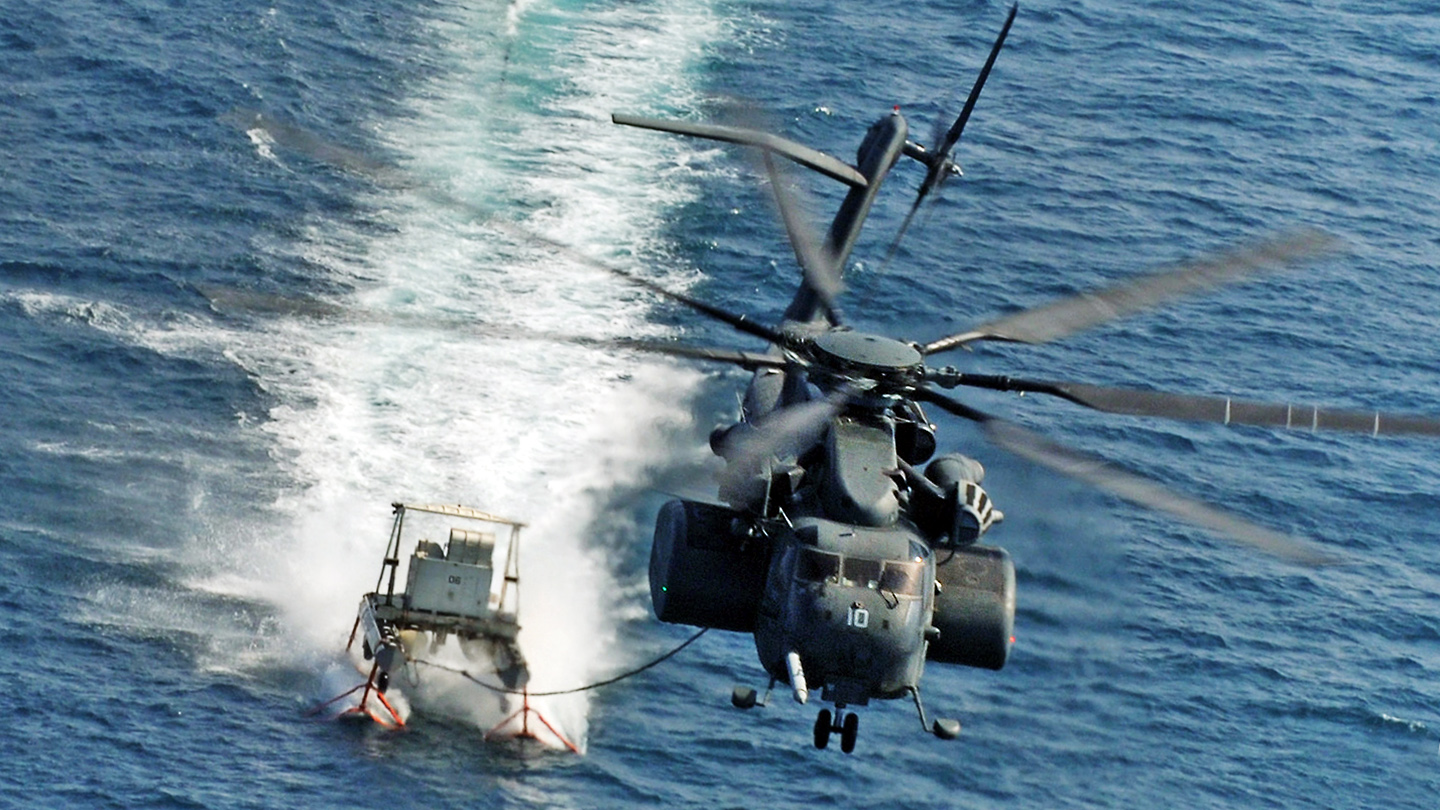
For decades, the massive MH-53E Sea Dragon helicopter has served as the Navy’s primary airborne mine countermeasure platform, dragging massive mine hunting sleds through waters all around the globe. However, the Sea Dragon’s days are now numbered, with the last 11 aircraft scheduled to sunset sometime next year. With the MH-53E’s demise on the horizon, we reached out to one of its former pilots, Steve Jones — a man who came to know this monster intimately during the Global War On Terror. He had plenty of stories to tell and provided us with a new understanding of the often misunderstood counter-mine mission.
The MH-53E’s mission is also, of course, extremely topical right now thanks to ongoing tensions with Iran. Secretary of State Marco Rubio recently told senators that the Islamic Republic mined “large segments” of the Strait of Hormuz, endangering shipping in the region.
As it currently stands, the mighty Sea Dragons, which are considered one of the military’s most dangerous to fly due to numerous fatal mishaps, are being phased out in favor of the smaller MH-60S Seahawk paired with a suite of new aerial mine countermeasures systems, as well as other new technologies, like uncrewed underwater and surface vessels. The Navy’s overall mine hunting force is going through a transition that is controversial, to say the least, with many questioning if the Pentagon is investing enough resources in this critical missions set.
Petty Officer 1st Class Rawad Madanat
With all these issues in play, in an exclusive, wide-ranging, two-hour interview, Steve Jones offered in-depth insights about the Navy’s airborne counter-mine mission, the Sea Dragon’s capabilities and dangers, current mine sweeping operations, as well as everything from what it was like to narrowly avoid getting entangled with a surfacing sub to his experiences ferrying celebrities like Robin Williams and Tom Jones around a war zone.
So, with the stage being set, let’s get into this incredible exchange.
Some of the questions and answers have been lightly edited for clarity.
Then-Navy Lt. Steve Jones in an MH-53E Sea Dragon. (Courtesy Steve Jones)
A: During the time that I selected, you could choose SH-60 Seahawks, you could choose CH-46E Sea Knights and the MH-53 Echo. You could choose SH-3 Sea Kings, but they were kind of winding down the H-3s, which is the same as the presidential helicopter Marine One that they fly now, but they were flying out of Norfolk and Puerto Rico, primarily for VIP transport.
So, I looked at the 53 for a lot of reasons. One, I liked the instructors that came from that community in the advanced helicopter training. And two, I just thought the helicopter just really looked awesome, and it was big, and so that’s why I chose it, and I just thought it would be a good personality fit, work fit for me, and it ended up being that way.
An MH-53E Sea Dragon, assigned to the “Blackhawks” of Helicopter Mines Countermeasures Squadron 15 (HM-15), takes off from the flight deck of the amphibious assault ship USS Wasp (LHD 1) during flight operations on the ship’s flight deck, April 5, 2025. (U.S. Navy photo by Mass Communication Specialist Seaman Soren V.P. Quinata) Petty Officer 3rd Class Soren Quinata
Q: What are the main differences between the Navy’s MH-53E and the Marines’ CH-53E Super Stallion?
A: It’s primarily the same aircraft. Except our aircraft has larger fuel sponsons, so we could carry more gas. The reason for that is ideally we’d want to be able to fly an hour to where the mission objective was, be able to stay on station for about an hour, and be able to fly back. That requires at least three and a half, four hours of gas and extra fuel in those side sponsors. And that allowed us to do that. So instead of a small sponson with two tanks, we had one big sponson with four fuel tanks that were inside each of the sponsons on either side of the aircraft.
Q: So how much gas would that larger sponson hold?
A: About 22,000 pounds of gas.
U.S. Navy Aviation Boatswain’s Mates (Fueling) prepare to refuel an MH-53E Sea Dragon helicopter, attached to Helicopter Mine Countermeasures Squadron (HM) 15, on the flight deck of the Nimitz-class aircraft carrier USS Abraham Lincoln (CVN 72). (Official U.S. Navy photo) Courtesy Asset
Q: Talk about the training and some of the biggest challenges of flying that huge aircraft.
A: Typical Navy training is two years of flight school, and then after flight school, we went to our Replacement Air Group, which we call the RAG, that was in Norfolk, Virginia. You spend about a year, or up to 10 months, in Norfolk, Virginia, learning primarily how to fly the helicopter, how to land the helicopter, and we do that in the combination with the Airborne Mine Countermeasure Squadron. We used aircraft from Helicopter Mine Countermeasures Squadron (HM) 14 to learn how to fly the different mission sets and learn aircraft familiarization. And then from there you either get assigned to HM-14, which was in Norfolk, Virginia, or HM-15, which was in Corpus Christi, Texas. HM-15 has now moved to Norfolk, Virginia. [Editor’s note: HM-14 sunsetted in 2022.]
Sailors assigned to the “Vanguard” of Helicopter Mine Countermeasures Squadron 14 (HM-14) posed for a photo in front of an MH-53 “Sea Dragon” helicopter prior to the squadron’s last flights Dec. 8, 2022. (U.S. Navy photo by Mass Communication Specialist 2nd Class Malachi Lakey) Mass Communication Specialist 2nd Class Malachi Lakey
The training takes about 10 months. Mine was a little bit longer because when I actually joined that community, the aircraft were down because of a crash off the coast of Corpus Christi, Texas. There was a problem called ‘thermal runaway,’ where the bearings in the main rotor head would fail, and they would seize together and get hot, and we lost a few sailors from HM-15. And until they figured out why and how to prevent it, it took about a year for those aircraft to come back up, so I was in Norfolk for maybe about a year and a half, almost two years, before I got to Corpus because of that bearing issue.
Q: What was it like when you finally got out there and learned how to fly while pulling a mine countermeasure sled?
A: There’s different types of equipment that you use and it takes a special kind of person to be able to maintain the situational awareness – both flying the aircraft and what’s happening in the back – because there’s dangers in the back. You have a very confined area, lots of equipment, and under lots of tension, and so the very first couple of times, the instructor is kind of handling everything, and you’re just kind of riding along.
An MH-53 Sea Dragon helicopter from the “Vanguards” of Helicopter Mine Countermeasures Squadron Fourteen pulling a Mark 105 Magnetic Influence Minesweeping System (SLED). (Photo by BOB HOULIHAN / NAVY VISUAL NEWS / AFP) BOB HOULIHAN
Then eventually you start to do more tasks, physical tasks, in terms of flying and maintaining a stable platform for the men and women that are working in the back, and then over time those skills translate into a larger situational awareness, where you’re now a mission commander – where you’re flying the aircraft, but also, conducting the mission in the back is your primary responsibility. The positions are second pilot or co-pilot, and then you become a Helicopter Aircraft Commander (HAC), which is like the captain, and then you become an Airborne Mine Countermeasures Mission Commander (AMCM MC), meaning you’re flying the aircraft, you’re the commander of the aircraft, but you’re also commanding the mission.
Lt. Cmdr. Jeff Spencer and Lt. Cmdr. Nik Bochette, assigned to the Vanguards of Helicopter Mine Countermeasures Squadron (HM) 14, perform a pre-flight check on an MH-53 helicopter. (U.S. Navy photo by Mass Communication Specialist Seaman Jessica L. Dowell/Released) Petty Officer 2nd Class Casey Hopkins
Q: Did you become a mission commander?
A: I did. So I was fully qualified in the MH-53 Echo in my squadron, so I was a mission commander. I worked the maintenance side, so I was the maintenance check pilot and functional check pilot. It takes a lot of maintenance, and then post maintenance, and you have to do post maintenance flights to be able to make sure the aircraft is safe for anyone else to fly. So I spend most of my time in those areas in that squadron.
A U.S. Navy Sailor with Helicopter Mine Countermeasures Squadron 14 guides an MH-53 helicopter from a vehicle carrier ship at Marine Corps Air Station Iwakuni, Japan, Sept. 14, 2022, after completion of aircraft maintenance. (U.S. Marine Corps photo by Cpl. Darien Wright) Cpl. Darien Wright
Q: What are the MH-53’s unique quirks and advantages?
A: One of the advantages was pure brute strength. You had three GE engines, so you could handle lots of torque, and the way that we hunted and swept for mines was pulling sleds in the water, which causes thousands and thousands of pounds of stress, so it’s really like a forceful instrument in the water. The operation requires the coordination of not only meteorologists and Operations Specialists, which are like intel specialists in mine warfare, but then you have the maintainer, you had two pilots and a crew chief, plus it could be up to four people in the back, depending on the type of gear you’re stowing in the back, so it really takes coordination from the front.
An explosive ordnance disposal technician, assigned to Explosive Ordnance Disposal Mobile Unit 5 Platoon 502, operates a communications system aboard an MH-53 helicopter belonging to Helicopter Mine Countermeasures Squadron (HM) 14. (U.S. Navy Combat Camera photo by Mass Communication Specialist 2nd Class Alfred A. Coffield) Petty Officer 1st Class Alfred Coffield
The disadvantage is that it’s a very expensive aircraft to operate. Every hour of flight, required 24 hours of maintenance, and if a squadron had 10 helicopters, which we did at one point in time, you’re looking at the largest deployable squadrons in the Navy, like 600-plus people to operate these aircraft.
With everybody working together, we advertise that we could be anywhere in the world in 72 hours, where there’s a mine threat. We could break down the helicopters, put them in a C-5 and then reassemble them anywhere in the world in 72 hours. After 9/11, for Operation Iraqi Freedom, we did deploy by C-5. We took half the helicopters to Sicily and the other half went to Bahrain and took 11 C-5s in order to move a squadron that size into those two locations, so big footprints, lots of money, lots of parts.
An MH-53E Sea Dragon assigned to the “Blackhawks” of Helicopter Mine Counter Measures Squadron 15 is offloaded from a U.S. Air Force C-5 Galaxy, March 14, 2003, at the U.S. naval base at Sigonella, Sicily. (Photo by Damon J. Moritz/U.S. Navy/Getty Images) U.S. Navy
Q: How fast could the Sea Dragons fly?
A: The 53 is a fast helicopter. One of the fastest out there. We were limited to 150 knots for airframe preservation. Under towing conditions, we typically flew between 18 and 25 knots, depending on the device in the water. Each vehicle had different performance parameters to properly deploy the device. Under rapidly changing conditions we always had to maintain proper speed and altitude control.
Q: The Sea Dragon has experienced a notoriously high rate of mishaps. Did that ever concern you? What do you think contributed to this record?
A: It did. If you’ve ever seen one or been on one, been close to one, or heard one, you’ve got 100-foot long machine with millions of moving parts, right?
Our maintenance crews were very good, I always felt safe flying. I think you have to if you choose to fly that particular weapon system, but there were a lot of accidents. And I knew folks that were killed in MH-53 accidents who I went to flight school with, and buddies.
It’s a very complicated machine that did a very important mission, and accidents do happen, both mechanically, but also because of pilot error. In combination, you end up losing a lot of airframes. Besides the United States, there is only one other nation that flew that airframe, and that was the Japanese for their mine sweeping operation. It’s a very complicated, expensive machine, and that’s why not very many people flew it.
An MH-53E helicopter belonging to the Japanese Maritime Self-Defense Forces takes off during Marine Corps Air Station (MCAS) Iwakuni Friendship Day, May 5, 2004, at MCAS in Iwakuni, Japan. (Photo by Koichi Kamoshida/Getty Images) Koichi Kamoshida
Q: Did the danger concern you?
A: You know, you’re in your 20s, right? So you feel a little bit invincible. I’ll tell you a story. When I switched from 53s and started flying C-130s, after the Haitian earthquake, I flew into Guantanamo Bay, and my old squadron was there on the same ramp as we were. So I walked over to see who I still knew there, and they had a 53 turning on the deck there, and I was just going, ‘wow, I couldn’t believe I used to do that,’ and not thinking about how many things have to go right in order to have a good day. And I just kind of said to myself, ‘it’s really a young person’s game,’ because you gotta kind of hit the ‘I believe’ button on a lot of things, because there’s just a lot of opportunity for negativity to come in. Weather, environment, and then the mechanics of things.
MH-53 pilot Lt. Steve Jones in Bahrain, circa 2002. (Courtesy Steve Jones) Picasa 2.7
Q: What were the biggest factors contributing to the Sea Dragon mishaps?
A: With any aircraft system, the largest factor that contributes to any accident is the human factor. Yes, engines will fail, components will fail, but a lot of times it was human error that caused the ultimate catastrophe because when an emergency happens, you have three criteria in order to gauge when you should land.
The two critical ones are ‘land immediately,’ meaning if you do not ditch in the water or put the aircraft down, it is going to come apart in flight. The other critical criteria is ‘land as soon as possible,’ meaning as soon as you have a safe place to land, then you land as soon as possible. Then you have another condition where you can continue to fly, but flying is not recommended. And so that decision factor between land immediately and land as soon as possible, it’s a bit of a gray area, right? You have a set of skills you can fly, but you can never time when the aircraft is going to come apart.
For example, in the Corpus Christi crash, they knew that they had a problem. I’m not second-guessing the pilot, but it was in that gray area between land immediately and land as soon as possible.
The aircraft commander chose to try to bring the aircraft closer to the beach, so you could survive a ditch, because putting a helicopter in the water – nothing is guaranteed, right? Then you have no control. However, bring it closer to the beach means you’re flying that much longer. So land immediately, there could have been more survivors.
Not to ‘Monday morning quarterback’ anything. I probably would have made the same call. And then with the new equipment that was put on the aircraft, there are lights now placed in a monitoring system that kind of took the gray area out of those decisions when it came to thermal runaway with the main rotor head. So now the decision is clear. Land immediately if certain indications happen, and land as soon as possible if certain indications happen. Prior to 2000, we didn’t have that.
Q: The Sea Dragon community has been well-documented for being neglected by the Navy. What was your experience when you were flying it? Why do you think that was?
A: It’s a unique mission set. It kind of came online during the Vietnam War and Haiphong Harbor, and clearing those mines, and then again in Desert Storm, when the USS Tripoli was hit by a mine.
Mining sea straits is a very cheap way to stop a huge navy, such as the one that we have in the United States. However, the Navy, in my opinion, didn’t necessarily see the value in that mission. There are very limited resources. There’s only so much money to go around, and large strike groups and ships just took priority. We were always probably a little bit underfunded, in my opinion, for a mission that’s important, which you can see today with the Strait of Hormuz. But it was definitely a huge problem that many people did not talk about during the first two Gulf Wars.
An Iranian mine-laying boat. (Iranian state media) (Iran State Media)
Q: Why was it a huge problem?
A: Well, when you try to move a carrier strike group into a small area like the Persian Gulf, by putting mines in the water, you create doubt in a captain’s head. The captain is responsible for thousands and thousands of lives, and the battle group commander is responsible for thousands and thousands of more lives, plus the strategic reason of why they’re there. If a mine is discovered, then everything has to pause. You can’t land Marines on the beach, you can’t move the strike group closer to the shore. The ability for you to project power ashore, all that kind of comes to an end.
Q: How does the MH-53E go about this unique mission set? Can you walk us through what a mission would look like from start to finish?
A: Depending on the intel, you’ll have a threat and the threat could be you suspect that there’s mines in the water, or that you know that there’s mines in the water. So, typically it’s ‘you suspect,’ right? And we used the AN/AQS-14, or “Q-14.” There’s about three different versions of the Q-14. It’s a side-looking sonar, which you drag in the water – we call it the fish. We would fly the fish at certain depths based on the terrain and what was in the water. That was called mine hunting.
MH-53 crew members and the AN/AQS-14 side-looking sonar. (Courtesy Steve Jones)
So initially you would always kind of begin with a hunting mission, where we could, or the OS operator, or the console operator would mark what they view as a mine-like contact. You’re really kind of looking at the sonar and distinguishing between man-made objects and natural objects. If you believe it’s a man-made object, and then you would mark a tape. You could also, real time, send that image back to the ship, but that capability came a little bit later.
We also had devices that allow you to sweep. A mine can be triggered by different mechanisms. Sometimes they’re triggered by contact.
Some mines are acoustically triggered, meaning you can set that mine to blow up for a certain type of ship acoustics. For instance, a destroyer has a different set of acoustics from an amphibious ship, from an aircraft carrier. If you want to let 1,000 destroyers pass you or a submarine and then wait for the aircraft carrier, you can tune it to that way. So we had devices that could mimic the sound signatures of different ships, and you could tow that in the water, you could tow it really fast. One of the reasons why we were successful is that we could do large areas of the ocean relatively quickly.
An MH-53E Sea Dragon from Helicopter Mine Countermeasure Squadron (HM) 15, aboard the multipurpose amphibious assault ship USS Wasp (LHD 1), performs Mine Countermeasure training using the MK-105 sled. (U.S. Navy photo/Lt. Cmdr. John L. Kline) U.S. Naval Forces Central Comman
The last piece for sweeping is the magnetic variation. Each ship is a metal hull, and as a ship is moving through the water, it has a magnetic signature, and then we have gear, which you could tune to mimic certain types of ships in the water, in order to have them explode behind the gear that we’re towing in the water.
So you hunt, that means you’re searching, and then you sweep, and then that means you’re clearing. Sometimes you can clear using other technology, such as sometimes the Avenger class ships would go in and sweep, and not us. Sometimes you would use dolphins to work with EOD teams in order to sweep mines. It just depends upon the threat, on what the second tool is used after you hunt.
The most time that I spent was in the hunting phase of the mission set. In Bahrain, every week, a couple days a week, we would hunt. We would do the Strait of Hormuz. We would do the approaches into Saudi Arabia for the tankers. We would do the approaches into the Suez Canal, just to be sure that there are still no mines in that area.
That is for what we call change detection, meaning you map the ocean floor, and then over time, because of consistency, you’ll be able to tell if something changed. If something changed, then you went in to investigate further. It’s constant because the ocean floor is constantly moving, and then somebody could easily place a very cheap object that could be devastating.
An MH-53 Sea Dragon, Helicopter Mine Countermeasures Squadron 14 attached to USS Anchorage (LPD 23), controls an Mk-105 magnetic mine sweeping sled. (U.S. Navy Photo by Ensign Lindsay Lewis/Released) Ensi Lindsay Lewis
Q: Walk me through how a mission would take place.
A: The intel can be good sometimes, sometimes the intel is lacking. The weather has to be at a certain sea state in order for it to be successful, and you can’t do it at night, right? You have to do it during a daytime in littoral situation, so you’re pretty close to shore and you are susceptible to threats that are on the beach. That is the mission set and if you don’t know where the mines are, that’s why you begin with hunting. The Q-14 is a relatively quick device to deploy. You can pull it in the water relatively fast. Then you can real-time send images back, or you can collect tapes to study for that change detection.
When you’re going out for a mission, you’ll have your standard aircraft brief, where the crews get together and talk about the state of the aircraft, the conditions, the environmental conditions of today. And then you’ll get into the mission brief on where the ship is, or where the shore is, and where actually the square, or the box, or the rectangle is, where we’re going to conduct a mission. We talk about the distances from that point that we’re going to deploy the gear, because it takes time to be able to do that, and then we’ll enter what we suspect is a minefield or an area of interest from which we want to be able to tow in.
Then we fly what we call tracks. It’s almost like rows on a field, like cornrows, and we go up, down, up, down, and you have to stay within track by feet, okay? If you, if you stray as little as 20 feet off track, then you have to redo that track, because you want to have a continuous picture of the ground. And so it may take two or three sorties to cover an entire minefield.
And then times where the device may have strayed off track. It takes time, but we can do it quicker than a ship doing it on its own, like the Avenger class ship, and so between the aircraft brief and the mission brief, and executing, it’s like a six, seven hour day in the heat or in the cold, depending on where you are.
There’s no air condition on that helicopter. So everybody’s working in those conditions based on the information that we bring back. Then the tactics folks that are supplied to us by COMINEWARCOM (Commander, Mine Warfare Command), which was our bosses, those intel folks will say what needs to happen next, meaning there’s nothing that needs to happen now, or we need to investigate this further. And then they pick the next tool for us to be able to deploy, or they go with the EOD and dive teams to go take a closer look.
Lt. Sean Johnson, left, and Cmdr. Derek Brady, commanding officer of Helicopter Mine Countermeasures Squadron (HM) 14, right, pilots a MH-53E Sea Dragon out to amphibious dock landing ship USS Pearl Harbor. (U.S. Navy photo Lt. Cmdr. Jeremy Braun/Released) Seaman Molly Evans
Q: How fast are you flying, and how high are you flying? How deep do the sleds go?
A: The helicopters are anywhere between 25 and 75 feet over the water, depending on the gear, because the speed in which we pull through the water is extremely important. You could go as fast as 25 knots in some cases, which is about the top speed, or you’d have to go as slow as 12 knots.
Q: How deep do the sleds go?
A: The depth of some of the gear is classified, or at least it was at my time. I’m not sure now, but you could go relatively deep. It’s under lots and lots and lots of tension, and the reason why you had to go very deep is that some gear has to be able to get to the sea floor at certain distances, because there’s also the subsurface fleet that is operating down there, and mines will affect them as well.
Q: What’s the tension like when you’re dragging a sled?
A: You’re looking at around 15,000 to 20,000 pounds of tension. The aircraft will kind of buckle. You look at the side of a 53, it has a crease from the tension that goes on it.
If there is a swell in the sea state, sometimes the Doppler radar – which would kind of track how fast you’re going forward, backwards, or sideways – it’ll go from forward to negative, meaning we’re actually getting pulled backwards by the sea state. And the engines would automatically just start – the torque would come in as the blade did a bigger bite out of the air. And the aircraft will kind of turn, because of the torque. It’ll kind of turn and whine, and you’re just flying an out of balance flight, nose down.
A US MH-53E military helicopter drags a MK 106 Combination escorted by two military Zodiak boats during an operation off the USS Ponce to clear mines from Khor Abdullah at the entrance to Umm Qasr port in the western Gulf, 29 March 2003. (Photo by RABIH MOGHRABI/AFP via Getty Images) RABIH MOGHRABI
Q: Did you ever have the sled get tangled up behind you?
A: Yes. It can get caught on things in the water, and the tension will spike. If the tension spikes too high, or the gear gets fouled in something, you always have the option to guillotine or cut the gear.
Q: Did the aircraft have other devices that helped in the mine hunting mission?
A: Yes. In addition to the Q-14, we had the Mk 104 acoustic device, mine chain cutting devices and the Mk 105, a huge gas generator, which produces electrical charges in the water for those magnetic-seeking mines that change the magnetic variation.
There’s at least six devices that I know of that are used for hunting mines, including something as simple as what we call a MOP, which is stands for Magnetic Orange Pipe, which is what they used in Vietnam.
Essentially you have this pipe, it looks like a telephone pole, which is about the size of a telephone pole or larger, and it’s orange. It has a positive charge on one end and negative on the other end. It’s just a magnetic pipe that we would tow in the water. It’s probably the easiest thing that you can tow, and the simplest, but it’s looking for those magnetic variations. The problem with the magnetic orange pipe is you can’t change it, so it’s set for a certain amount of tactics. You can see how that could become obsolete in today’s environment.
A US MH-53E military helicopter using a cable drags an MK 106 sled sent out from the USS Ponce as mine clearance takes place in Khor Abdullah at the entrance to Umm Qasr port in the western Gulf March 29, 2003. (Photo by RABIH MOGHRABI / AFP) RABIH MOGHRABI
Q: How does the Sea Dragon integrate with other mine hunting capabilities, like the Avenger class ships or other assets?
A: We worked as a team, but obviously we’re a tool in that larger mine warfare strategy. We were the speed aspect of that, meaning we could have left holes, but if you’re trying to move at the speed of war, then sometimes we were the tool that was required. And if you have 72 hours to be somewhere, speed is required. We could do that to be sure that the fleet can continue to do what it needs to do, but if you’ve got time, then you could sail a ship or move one of those slower small boats into that environment, that makes sense.
Q: Did you ever work together with Avenger class ships?
A: Maybe in the same AOR, but other than an exercise where you would see an Avenger class ship working the tow area, and then we will be working our tow area. It was under controlled condition. When I was doing change detection, and during work conditions, we were operating concentrated on our mission set, they’re probably concentrating on their mission set, and between the two pictures, they came together in the operation center to have a very clear picture.
A stock picture of the US Navy’s Avenger class mine-hunter USS Pioneer. USN
Q: When was the Sea Dragon actually used for this mission operationally? How did it perform?
A: It was used throughout Iraqi Freedom, from Shock and Awe to the pull-out to the drawdown. If not every day, every week there was change detection in mine operations, because it’s always a threat. It’s a very cheap weapon that non-state actors can get off the black market. One mistake or one mishap causes devastating consequences for the individuals on that ship, but also the mission, so it’s a constant threat, and still is a threat.
During my time, actively hunting for mines to be sure that those straits and those approaches remain clear, dominated my entire career in the community. From the time I started and then I towed to my last days in the squadron, which was in 2005.
A U.S. Navy sailor directs an MH-53E Sea Dragon helicopter launching March 28, 2003 at the port of Umm Qasr, Iraq. The helicopter was part of a mine clearing unit that cleared the way for the British Navy ship, Sir Galahad, that delivered the first wave of humanitarian aid in support of the U.S.-led Operation Iraqi Freedom. (Photo by Bob Houlihan/U.S. Navy/Getty Images) U.S. Navy
Q: How did the Sea Dragon perform?
A: I would say, since there was not a mishap, it performed as designed. It doesn’t mean that the mines were not there. During Iraqi Freedom, mines were put in the water, but we didn’t have the mishaps like we had before that I can recall. So I would say it was a success.
In this U.S. Navy handout mines are seen which were found on four Iraqi vessels that were intercepted in the Khor Abd Allah waterway by U.S.-led coalition forces March 26, 2003 in the Arabian Gulf. (Photo by Joseph Krypel/U.S. Navy/Getty Images) U.S. Navy
Q: Any close calls during any of your sled-towing flights?
A: I got disoriented one time with vertigo. Like I mentioned earlier, you’re on an out-of-balanced flight, so your ears are doing one thing, your eyes are doing another thing, and sometimes there’s low fog over the water early in the morning. Under tow there was a time where I got vertigo and put the aircraft in an undesired state, but there’s two pilots. I recognized it and told the aircraft commander ‘I’ve got vertigo.’ He took the control and saved it. Being that close to the ground, getting vertigo could have devastating effects, right? We just ended up releasing the gear that day.
Q: How do the big rearview mirrors help with towing?
A: Mirrors are super important for situational awareness when lowering the equipment into the water and for ensuring the tow cable is staying on track. The co-pilot is crucial while under tow because they are responsible for making sure the aircraft remains clear of obstacles and threats. The pilot flying will be head-down monitoring performance of the helicopter and the gear deployed. The pilot flying will maintain navigation in the minefield and overall safety. When flying, looking out of the windows was a brief luxury.
Q: Tell me about the time you encountered a surfacing sub while dragging your sled.
A: It was sometime in 2003 or 2004. We were flying over the Strait of Hormuz, towing a side-looking sonar to do bottom mapping. I’ve got a very loud helicopter in the air and a sonar that’s pinging on the bottom, so it probably was not a surprise where we were to the submarine, but their location was a surprise to us.
It’s a bright sunny day. The water looked beautiful, and we’re just doing a random tow. And all of a sudden, this big black submarine surfaced right in front of us. Just popped out of the water, and right in line with our track.
I think I was maybe 50 feet over the water and the gear is behind me. Now I have to turn like a semi truck, having to turn myself and the gear all at the same time to maneuver around the submarine. I said something like ‘holy shit’ and I remember I banked to the right because I think it was the easiest thing to do. There’s more space.
We ended up able to clear the sub, but it had a startling effect. So either they were in the wrong spot or we were in the wrong spot, I couldn’t tell you. But no one came and knocked on the door, saying that I did something wrong. So I’m gonna leave it as if they were in the wrong spot.
During his time flying Sea Dragons, Steve Jones saw a submarine – like the guided-missile submarine USS Georgia pictured here transiting the Strait of Hormuz – surface right in front of him as he was towing a mine sweeping sled. (U.S. Navy photo by Mass Communication Specialist 2nd Class Indra Beaufort/Release) Petty Officer 1st Class Indra Beaufort
Q: What was it like aerial refueling such a monstrous helicopter and did you use it operationally often?
A: Very intimidating at first. However, it is all about training. Yes, you are very close to the other airplane, but that is not your focus. Your focus is on check points. Align your check points and the aircraft will plug. Once you connect and position the aircraft above the wing and propeller wash, the ride is smooth. When I switched over the flying C-130s, it would have been nice to go full circle, but never got the chance to give fuel.
We almost did aerial refueling during a possible mission scenario, but the plan was scaled back and we ended ship hopping. I only used the boom in training. I’m sure it happened, but didn’t know anyone who did it. They were there for a reason, and we trained for it.
Pilot’s view of an MH-53E during aerial refueling.(Steve Jones)
Q: What’s the operational situation regarding Iran at the time you were flying?
A: Annoying. They have a lot of islands that are in the Persian Gulf that are their territory, and sometimes during operations, when you’re either delivering cargo or going to field a tow, it puts you in close proximity with those islands. At the same time, if it’s necessary, you could have your own boat team in the water as well. It was post-Cole [a reference to the October 12, 2000 attack on the USS Cole just a few years earlier by explosive-laden suicide boats at the port of Aden in Yemen. The blast ripped a 40-foot-wide hole near the destroyer’s waterline, killing 17 U.S. sailors and injuring nearly 40 other crew members.]
So you have fishing boats in the water, and you don’t know who’s on that boat that is getting close to your ship. But when you got close to Iranian territory, they will speak up on the radio, and tell you to turn around, that you’re approaching their territory,. Even though you know exactly where you are, and you know exactly where this island is, they’re still going tell you are in violation of their airspace.
Then it’s always a constant threat, right? So, if I were to have to ditch a helicopter or airplane in the water, they’ve got boats in the water. You wouldn’t want to get captured by them, where they could say you are in violation of their sovereign territory by mistake, and then it becomes an issue.
We were flying helicopters without GPS, so you’re using visual navigation maps and whatnot. I’m sure there’s a GPS on those birds now, but at the time, I had a handheld GPS from Academy Sport, where I marked the islands myself, so I knew exactly where I was, or at least the best that I could manage with the equipment, to be sure that was in the right position.
Q: Did they ever directly threaten you while you were on those missions?
A: No. They talked about violating their airspace, but they never intercepted or anything like that. I think that would be a huge mistake. It would not be a good day for them.
Q: Tell us about other locales where Sea Dragons operated.
A: We had detachments in South Korea for the North Korean threat from underwater mines. We did exercises in the Pacific. We did exercises with Japan because there’s a threat of mine in those straits, like the Strait of Malacca.
There’s obviously a threat in the Pacific theater. But because of the situation with Operations Enduring Freedom and Iraqi Freedom, I spent most of my time in the Middle East.
An Mh-53E Sea Dragon from Helicopter Mine Countermeasures Squadron 14 deploys the Mk-105 sled from the USS Anchorage (LPD 23) well deck, part of air mine countermeasure operations during Rim of the Pacific (RIMPAC) exercise 2014. (U.S. Navy Photo by Ensign Lindsay Lewis/Released) Ensine Lindsay Lewis
Q: Were there any difference between operating in the Persian Gulf area and the Pacific, or Europe?
A: A lot of the effectiveness of what we do is dependent upon water. The salinity of the water, the sea state, the amount of garbage and trash that’s in the water. So those environmental threats change the tactics. That’s why you need to practice out there.
In terms of the purpose of the mission, that does not change, but how you go about it does change. If you’re closer to a near-peer actor, it’s going to require better intelligence, different types of equipment in order to counteract the threat. I would say the Iraqi Navy was not near-peer in terms of mine tactics, but the Chinese could probably be very different in terms of mine tactics. They would be a more sophisticated enemy in this case, which would heighten everything.
Chinese mine-laying AJX002 unmanned underwater vehicles seen during the military parade marking the 80th anniversary of victory over Japan and the end of World War II, in Beijing’s Tiananmen Square on September 3, 2025. (Photo by Greg Baker / AFP) GREG BAKER
Q: Did the Iraqi Navy or the Iraqis present a threat to your aircraft? Did they harass you, fire at you?
A: No, not during my time. I think maybe possibly during the first Gulf War. The threat was that there, it was always a threat when you’re operating close. So yes, something could have happened. They’ve got boats, they’ve got men in the water.
Q: What are your thoughts about the current MCM missions taking place now in the Middle East? Just how hard is it to clear an area of mines like the Strait of Hormuz?
A: I would say that it is difficult. All mine clearing operations are difficult because you’re talking about the needle in the haystack. Like literally, and you know they’re deploying something that can be hoisted by one person and thrown overboard into the water or by a machine, and you can deploy a lot of mines in a very short time in a concentrated, tactical way, or randomly. It really doesn’t matter, it’s still a threat.
I would say it is difficult because people talk about how narrow and small the Strait of Hormuz is, but you have to remember the earth is large, and there is just a sheer volume of water, and square miles or square kilometers on which something can happen.
It is a very daunting task, and so having more MH-53E helicopters probably wasn’t the solution for the future.
From reading, and then from hearing from my peers that are still in, the tactics are different, but also the equipment that they use to detect this threat is also different. It is faster. It is unmanned. You can deploy more assets quicker because you’re not relying upon one machine or two machines at one time being deployed.
Q: What equipment are they using now? What are the differences?
A: I retired in 2017 and it has changed dramatically. For one, it is more integrated into the fleet, so you’ll have multi-mission capabilities, meaning an MH-60Ss can be used for different sets of missions, from delivering cargo, to deploying different sensor arrays. You have AI for detection assistance. You have side-looking sonar, which instead of being towed are now on underwater unmanned vehicles. So I think more of what you’re looking at now is a mission package of sensors that can be deployed.
When you have sensor sets, it’s integrated into the larger Navy strategic picture better. I think that that was lacking in the past in a way, because you have to cover such a large volume of area, you need more sensors and eyes to be able to do that, and I think that’s the strategy today.
A Sailor assigned to Explosive Ordnance Disposal Mobile Unit 5, describes the capabilities of the MK 18 Mod 2 Kingfish unmanned underwater vehicle and a remotely operated vehicle (ROV) to Japan Maritime Self-Defense Force Rear Adm. Yatsutaka Ebata, commander, Escort Flotilla 2, and Rear Adm. Tom Shultz, commander, Task Force (CTF) 76. (U.S. Navy photo by Mass Communication Specialist 1st Class W. Chase Stephens) Petty Officer 1st Class Chase Stephens
Q: Do you talk to any of the current pilots/crews of the last squadron flying them? What do they say about the current status of the fleet? Are they involved in the mine clearing operation in the Strait?
A: So I talked with folks, there’s still some folks that are still active duty. Some of them have transitioned out of the 53 pilot-wise and have transitioned into the MH-60S community and so they are deploying those tactics and new systems.
I would say it is probably still a neglected community in their opinion. Everybody’s fighting for resources, but I think when you’re talking about the current situation with Iran in the straight, there’s always a time where mine countermeasures become a very hot topic, because people do forget about it.
Q: Are the MH-53Es still performing airborne counter-mine missions?
A: I’m not sure.
Q: What other missions does the MH-53 community perform? Can you talk about your experience with those and what they entail?
A: When you have that much capability, you move a lot of things. And so we did a lot of moving cargo. I could move an F-14 Tomcat engine with the afterburner completely attached. I could move it at 150 knots from shore to ship internally, so I didn’t have to sling it underneath the aircraft in a pod. I can have the engine assembled together and be able to move it. So we moved things that the C-2 Greyhound couldn’t.
The primary mission was mines, the secondary cargo and people. We would do people movement, if a better ride wasn’t available to move an admiral or someone for an important meeting, then we would do so. Obviously, you know, it’s a very dirty ride.
Aviation Warfare Systems Operator 2nd Class Gavin Chatham prepares to push cargo out of an MH-53 Sea Dragon helicopter from Helicopter Mine Countermeasures Squadron 14 (HM-14). (U.S. Navy Photo by Mass Communication Specialist 2nd Class Michael Chen/Released) Petty Officer 2nd Class Adam Craft
Q: What admirals did you move?
A: I can’t remember the admirals, because they kind of all blend together, but we did move fun people. We did Tiger Woods for all the USO engagements. Blink 182. We did Tom Jones, Robin Williams, a number of NASCAR folks and other celebrities. We did a lot of that.
Q: What was Robin Williams like?
A: Funny. He was on from the time that we picked him up in Bahrain, and then giving him the brief. He liked talking with sailors and making jokes. Tom Jones was memorable because he’s got the hair right, and he didn’t want to wear a cranial or helmet on his head to mess up his hair before he did the show, and so that became a thing. But you know, the hair won out. The hair was not going to get covered by the helmet.
Robin Williams with MH-53E crew members, from left to right, LCDR Chuck Miller, Lt. Ray Jimenez and Lt. Kyle Leslie. (Steve Jones photo)
Q: What will the Navy miss when that last squadron is finally retired next year and there are no more Sea Dragons flying? Can the MH-60S handle the job?
A: With the Greyhounds going away, I think even with the CMV-22, which is a very capable aircraft, a very fast aircraft, but in terms of lift capacity internally, there’s something to that. If it’s outsized or weirdly shaped or is on wheels, the MH-53E is your catch-all aircraft. The Navy will miss that and the large numbers of people that we can move.
During the start Operation Iraqi Freedom, when I was in Sigonella we spent four days offloading the Marine Corps battalion landing team from the Iwo Jima on to Souda Bay for them to be flown into the northern part of Iraq. With those two helicopters and in one helicopter with Helicopter Detachment 4, we moved hundreds and hundreds of Marines from a ship to the shore for them to be staged in order to be moved into Iraq in a matter of days. I don’t think that same amount of capability in terms of volume of moving at that speed can be done with what’s available today. So I think they’re going to miss the kind of the ad hoc nature of having a big aircraft to move odd things. It’s good to be a generalist sometimes.
Sailors assigned to operations department aboard the aircraft carrier, USS Gerald R. Ford (CVN 78) transfer passengers to an MH-53E Sea Dragon, attached to the “Blackhawks” of Helicopter Mine Countermeasures Squadron (HM) 15. (U.S. Navy photo by Mass Communication Specialist 2nd Class Maxwell Orlosky) Petty Officer 2nd Class Maxwell Orlosky
Q: What about the mine countermeasures mission? Is there anything that the Navy will miss from the capabilities of the 53 from that standpoint?
A: I can’t speak on it with the new equipment, because I’ve never operated it, but I think what the Navy won’t miss is the price tag, and maybe the lack of full mission capability. We operated a lot of times in that partial mission capability, because of the complexity of the equipment and the machine, and then you have to get the equipment and the machine to work together, the machine being the helicopter. I don’t think the Navy will miss that part of it.
Q: Can the MH-60 do the job?
A: They can do the job, but they don’t conduct it the same way we did. They can’t pull big sleds like we did for underwater sonars because of power and tension. And you can’t send as many crew members in the back in order to make that mission successful. But the 60 is a very capable platform in order to conduct the mission the way they do it now.
Naval Aircrewman 1st Class Patrick Miller, assigned to the Dragon Whales of Helicopter Sea Combat Squadron (HSC) 28, operates the common console, used for both Airborne Laser Mine Detection System (ALMDS) (pictured) and the Airborne Mine Neutralization System (AMNS), aboard a MH-60S Sea Hawk helicopter. (U.S. Navy photo by Chief Mass Communication Specialist Shannon E. Renfroe (Released) Chief Petty Officer Shannon Renfroe
Q: What’s the difference between what they do and what you did?
A: They’re deploying sensor arrays and underwater vehicles from the thing, so they have standoff distance. They’re capable of not putting the helicopter in the same proximity to danger. They can’t put a Mk 105 in the water, but they don’t need to, because they have other types of technology to do it.
An MH-60S Sea Hawk helicopter, from the “Screamin’ Indians” of Helicopter Sea Combat Squadron (HSC) 6, lifts off the flight deck of the aircraft carrier USS Nimitz (CVN 68). (U.S. Navy photo by Mass Communication Seaman Bryant Lang) An MH-60S from Helicopter Sea Combat Squadron 6 lifts off the flight deck of the aircraft carrier USS Nimitz. U.S. Navy photo by Mass Communication Seaman Bryant Lang
Q: What was your most fear-inducing flight in the Sea Dragon?
A: For me, I was on the sea wall in Corpus Christi, Texas, about to do a towing training mission off the coast of Texas. In the 53 you have three engines, and then you have an auxiliary power unit – another gas turbine that’s above the cockpit.
The purpose of the auxiliary power unit is to run the hydraulics and various components and accessories when the engines and the rotor head aren’t turning. The idea is, once you get the engines going and the main rotor is turning, there is a shaft that goes from the main gear box into that auxiliary power unit, where all your generators and hydraulic systems are run. So we had the engines running, we were on the sea wall – we had a hanger, and then we had an apron, and right there was the Corpus Christi Bay.
(DoW courtesy photo)
I was taxiing out to take off from the helipad, and you’re over the water as soon as you take off from the sea wall. Well, that shaft sheared while I was taxiing up. I have to push the cyclic (the stick) forward in order to tip the rotor head forward to pull me along the ground. If you lose hydraulics in a 53 there is no amount of strength that you or the other copilot has to help to change the path of that helicopter.
When the shaft broke, it meant whatever condition that rotor head was in, it was not going to move, and that rotor head was in position for me to be able to take off, but I did not have enough power in order for me to lift off. Even if I lifted off, I probably would have just careened into the water.
So we were going in a situation where I heard it pop, and then all of a sudden the controls froze, and I told the co-pilot, Ty Jurica, that I was so concentrated at that point because I could not control the aircraft. I said ‘I don’t have control, I cannot move the controls.’ But Ty’s quick thinking noted that he could get the hydraulic power unit started again, which it takes time to spool up, but he was able to hit the start on the APU, and we managed to spool up to get hydraulics back, and as soon as the pressure came on at 3000 psi, I was able to move the controls again.
We stopped the aircraft where we were, and we shut it down at that particular time, but in a few seconds, maybe, we probably just would have taxiied off over the sea wall, and into a very bad situation.
(U.S. Navy Photo by Mass Communication Specialist 3rd Class Samuel Bacon/Released)
Q: What was your best memory of a mission you flew, or a moment during one of your missions in your time in the Sea Dragons? Put us in your shoes of what that was like.
A: Oh man, my best day there? There were a lot of good days. A lot of times, we would fly in formation – two ships going out to whether it was an aircraft carrier or whatever – and we would take off before sunrise. When you’re flying in formation low over the water, and the sun is coming up over the Persian Gulf, those are those are great days. Because everything is working. You have two planes actually going to conduct the mission and not training. I don’t care who you are, it’s always a lot of fun.
You’re going relatively fast. I mean, we’re not Hornets or whatever, but we were low and fast at that time for us, and we thought we were pretty cool.
You couldn’t touch us on those days.
(U.S. Air National Guard photo by Master Sgt. Matt Hecht/Released)
Author’s note: we added three additional sets of questions and answers to this story. We asked Jones about how fast the Sea Dragons could fly, how helpful the big rearview mirrors were when pulling a sled and what it was like conducting aerial refueling in the giant helicopter.
A estas alturas, debería haber quedado claro que uno no ve The Last of Us para alegrarse el día. Sin embargo, una cosa es que la serie de HBO nos haga sufrir lo más grande con sus historias emocionales, postapocalípticas y fungosas, y otra que nos llevemos un mazazo por culpa de su calendario de rodaje.
Y esto último es justo lo que acaba de ocurrir: según ScreenRant, las fechas previstas para el rodaje de The Last of Us en la Columbia Británica (Canadá) se han suspendido sin explicaciones. Esto no significa necesariamente que la cadena y el productor Craig Mazin (responsable del show tras el abandono de Neil Druckmann) hayan decidido darle cerrojazo, pero sin duda hará sudar tinta a los fans de Ellie (Bella Ramsey).
¿Por qué se ha suspendido el rodaje de 'The Last of Us'?
La evidencia del parón está en el registro de rodajes del gobierno de Columbia Británica. Según vemos en el documento, la tercera temporada de Calm Current (el título de trabajo de The Last of Us) cancelará su producción del 1 al 28 de junio, aunque su fecha de fin de rodaje sigue fijada para el 27 de noviembre.
Aunque no tenemos una razón oficial para la suspensión, ScreenRant especula con que este puede deberse al Mundial de Fútbol 2026, que tendrá lugar en EE UU, Canadá y México del 11 de junio al 29 de julio. Teniendo en cuenta las dimensiones del evento y las medidas de seguridad que este llevará consigo, es fácil pensar que este puede convertir cualquier rodaje en una pesadilla logística.
Es más: el mismo documento señala que la cuarta temporada de Yellowjackets también ha sido suspendida, aunque, en este caso, volverá a ponerse en marcha el 10 de junio.
Basada, al igual que su predecesora, en el videojuego The Last of Us: Parte II, la tercera temporada de la serie dejará de seguir a Ellie para centrarse en su archienemiga Abby (Kaitlyn Dever) y en su protegido Lev (Kyriana Kratter), que recorren una región devastada por sectas religiosas, grupos paramilitares y, claro, infectados por el hongo cordyceps. El estreno de la nueva etapa está previsto para 2027.
A través de tres episodios, El testigo se ha colado en el ranking de visualizaciones de Netflix en todo el mundo. Creada por Rob Williams (El hombre en el castillo) y dirigida por Alex Winckler (Mary & George), esta miniserie británica arrasa por el caso real que narra, uno de los más misteriosos y cruentos de la crónica negra de Reino Unido.
Corría el año 1992 cuando la modelo Rachel Nickell, de tan solo 23 años, disfrutaba de una mañana en el parque de Wimbledon Common, en Londres, junto a su hijo de dos años, Alex. Lo que se presentaba como una apacible jornada de juego se tornó en tragedia cuando la mujer apareció brutalmente asesinada y el único testigo fue su hijo de dos años, que quedó traumatizado de por vida.
El padre del niño y pareja de Rachel, André Hanscombe, tuvo que luchar a partir de entonces por el acoso constante de los tabloides británicos y los errores continuos de la investigación policial, que dejaron durante años expuesto a su hijo.
El misterio que rodeó a esta muerte inesperada fue mayor por el ensañamiento con el que se cometió, ya que después de cortar la garganta de la joven, el responsable la apuñaló 49 veces y abusó de ella sexualmente.
Pronto surgieron dos sospechosos principales: Robert Napper y Colin Stagg. El primero estaba en la lista porque ya había sido denunciado por violación. A este se le pidió una muestra de ADN y no se presentó. Sin embargo, Napper fue descartado por la ausencia de pruebas concluyentes y la investigación pasó a centrarse en Stagg.
Un asesino en libertad y los errores policiales del caso
Colin Stagg era un hombre conocido por pasear a sus perros por el lugar de los hechos, pero la ausencia de pruebas forenses hizo que la policía decidiera crear un perfil del asesino para encontrar coincidencias. Sus rasgos cuadraron y las autoridades intentaron tenderle una trampa con una agente encubierta que fingió durante meses tener una relación con él y que obtuvo comentarios descontextualizados para que las autoridades, presionadas por los medios y la gente, lo arrestaran.
Finalmente, los juzgados dictaminaron que las pruebas eran tramposas e inexistentes y obligaron a que fuera liberado, cuestionando el modus operandi de la policía. Años después, el caso se reabrió empleando técnicas modernas que se usaron para identificar una muestra de ADN que no coincidía con ninguna persona relacionada con la víctima y lo relacionaron con un asesino convicto.
Entonces salió a la luz la ineptitud de las autoridades, quienes descubrieron que Robert Napper había asesinado a otras jóvenes después de haber sido descartado en este caso. Posteriormente, fue internado en un centro psiquiátrico debido a su esquizofrenia. Finalmente, el ADN de Napper coincidió con las muestras halladas en la ropa de Rachel, y este terminó confesando el asesinato en 2008.
Una historia que reconstruye ahora la serie de Netflix a través de su reparto: Jordan Bolger (Peaky Blinders), como André Hanscombe; Eleanor Williams (Halo: Nightfall), como Rachel Nickell; Max Fincham (El alienista), como Alex Hanscombe; Steve Stamp (The Curse), como Robert Napper; y Jamie Bisping (Alien: Planeta Tierra), como Colin Stagg.
El fenómeno de las adaptaciones literarias vive uno de sus mejores momentos, especialmente en el terreno del romance contemporáneo y el público joven adulto. En este escenario de éxitos globales, la llegada de Todos nuestros veranosse perfila como el próximo gran hito del año. Basada en la novela debut de la canadiense Carley Fortune (cuyo título original es Every Summer After), la producción da el salto al streaming con la expectación de millones de lectores que la situaron durante 16 semanas en la lista de los libros más vendidos de The New York Times.
A las puertas de su inminente estreno, la ficción ya promete dar mucho de qué hablar, desde su sinopsis, marcada por segundas oportunidades y el paso del tiempo, hasta un reparto liderado por dos promesas del panorama audiovisual actual. Este lanzamiento consolida también, y definitivamente, la estrategia de Prime Videopara adueñarse de las grandes historias románticas de la televisión actual.
Seis años y un reencuentro clave: ¿de qué trata 'Todos nuestros veranos'?
La historia se desarrolla en Barry’s Bay, una localidad pequeña junto a un lago que se convierte en el refugio idílico de los protagonistas. En este entorno, Percy Fraser y Sam Florek entablan una amistad incondicional durante su adolescencia. A lo largo de seis veranos compartidos, ese vínculo inicial se transforma en un primer amor profundo. Sin embargo, la relación se quiebra por completo debido a una serie de errores, provocando un distanciamiento que parecía definitivo.
Años después, una llamada inesperada altera la realidad de Percy y la obliga a regresar al lugar de su juventud. Al reencontrarse con Sam, se hace evidente que la conexión entre ambos permanece intacta a pesar del tiempo. Aun así, las heridas del pasado siguen presentes. Además, Sam ha intentado rehacer su vida sentimental con otra chica, lo que añade otra carga de drama que complicará su reconciliación.
Reparto y equipo de la producción
El peso de la historia recae en dos actores que conocen muy bien las dinámicas del streaming. Sadie Soverall, que viene de destacar en Saltburn y en Destino: La saga Winx, se mete en la piel de Percy. A su lado, Matt Cornett, conocido por su trabajo en High School Musical: El musical: La serie o Verano del 69, asume el reto de interpretar a Sam.
Detrás de las cámaras, el proyecto cuenta con un sólido respaldo creativo liderado por la showrunner y productora ejecutivaAmy B. Harris, mente detrás de éxitos como Sexo en Nueva York o Gossip Girl. En la producción ejecutiva la acompaña la propia autora de la novela, Carley Fortune, junto a un experimentado equipo compuesto por Lindsey Liberatore (Avatar: la leyenda de Aang), Amy Rardin (Jane the Virgin), John Stephens (Gilmore Girls) y Grace Gilroy (Invasión), quienes se encargaron de cuidar la esencia de la obra.
El elenco se completa con otros actores que también tendrán parte de protagonismo. Michael Bradway toma el papel de Charlie, hermano de Sam, mientras que Aurora Perrineau y Abigail Cowen interpretan al grupo de amigas de Percy. Como guinda para los seguidores del género, la producción recupera a la mítica Elisha Cuthbert (La vecina de al lado, 2004) para dar vida a Sue, la madre de los hermanos Florek.
El éxito del libro y de su autora, Carley Fortune
El salto de esta novela a la televisión está avalado por un éxito editorial incuestionable. Todos nuestros veranos aguantó 16 semanas en la lista de bestsellers de The New York Times, superó el millón de copias vendidas y su etiqueta en redes sociales sobrepasa los 81 millones de visitas. Fortune, que ejerció como periodista antes de volcar sus propios recuerdos de juventud en esta ficción, se ha consolidado como un referente del género.
Desde el lanzamiento de esta historia en 2022, la carrera de Fortune ha sido meteórica y expansiva. Lejos de ser una autora de un solo éxito, ha encadenado publicaciones anuales de enorme repercusión como Te veo en el lago, Esta vez será diferente o Un verano dorado. Su consolidación definitiva llega con su trabajo más reciente, Una tormenta perfecta. A día de hoy, los libros de Carley Fortune ya se han traducido a 35 idiomas y acumulan más de 4,7 millones de ejemplares vendidos en todo el mundo, consolidándola como una de las reinas del romance y justificando plenamente que Prime Video haya confiado en ella como productora ejecutiva para supervisar la adaptación de su universo.
¿Habrá cambios en la adaptación?
Para que el ritmo literario funcione lo mejor posible, el equipo creativo podría haber introducido algunos ajustes importantes que afectan directamente al reloj de la historia. Mientras que el libro plantea un salto temporal de 13 años, situando a la pareja ya como treintañeros, los primeros detalles oficiales apuntan a que la serie preferirá concentrar la maduración de los personajes en una línea de aproximadamente seis años. Habrá que esperar al estreno para ver si esto favorece el ritmo visual y permite que el reencuentro se sienta mucho más inmediato en pantalla.
Esta posible alteración de la línea temporal podría venir acompañada de otra gran duda creativa, centrada ahora en el peso de los personajes secundarios. Todo indica que, en lugar de limitarse a la perspectiva íntima y en primera persona de Percy que ofrece el papel, la producción buscará expandir notablemente las subtramas del entorno de amigos y de Charlie, el hermano mayor de Sam. Si finalmente se confirma este enfoque, la serie nos regalará un universo algo más enriquecido para la pequeña pantalla.
Fecha de estreno en pleno auge del género
Los ocho capítulos de Todos nuestros veranos se estrenarán este 10 de junio. Con este lanzamiento, Prime Video vuelve a blindar su posición como la plataforma de referencia para el público joven adulto. No es un movimiento aislado, sino la evolución natural tras el impacto de fenómenos como El verano en que me enamoré, Culpa mía, Maxton Hall, Rojo, blanco y sangre azul o el reciente éxito de Off Campus. Amazon sabe perfectamente qué tipo de tramas activan la atención, y esta nueva producción podría ser la próxima en liderar las listas de lo más visto.
A dupla Giulia Gasparri/Ninny Valentini, em femininos, e André Baran/Michele Cappelletii, em masculinos, venceram o primeiro Sand Series, equivalente a um Grand Slam de ténis de praia, disputado este fim de semana, em Portimão.
Campeãs de Matosinhos em 2025 e segundas cabeças de série esta semana, as italianas Giulia Gasparri e Ninny Valentini repetiram a festa na Praia da Rocha ao vencerem as russas Elizaveta Kudinova e Anastasiia Semenova, terceiras favoritas e responsáveis pela eliminação das cabeças de cartaz na parte da manhã.
Sophia Chow e Vitoria Marchezini já conquistaram 22 títulos lado a lado e entraram na jornada dupla deste domingo como as maiores favoritas à vitória em Portimão, mas perderam a meia-final por 6-3 e 6-4.
Quanto a Gasparri e Valentini, precisaram de uma reviravolta (1-6, 6-2 e 10-3) contra Veronica Casadei e Ariadna Costa Graell — quartas pré-designadas — para chegarem ao encontro de atribuição do título.
Parceiras há vários anos, Giulia Gasparri e Ninny Valentini celebraram a 38.ª conquista conjunta. Entre os vários troféus estão um Campeonato da Europa, um Campeonato do Mundo e o Sand Series Finals. Gasparri tem 34 anos e ergueu, no areal de Portimão, o 74.º título da carreira, enquanto Valentini, de 27 anos, conquistou o 47.º título do palmarés.
André Baran e Michele Cappelletti também viveram um dia perfeito na Praia da Rocha para fecharem a semana com o título.
Quintos pré-designados, o brasileiro e o italiano começaram o dia a eliminar os favoritos Nicolas Gianotti e Mattia Spoto — líderes do ranking e vencedores do Sand Series de Matosinhos em 2025 — com os parciais de 6-2 e 6-3 e à tarde colocaram a cereja no topo do bolo ao derrotarem por 6-3 e 6-2 a dupla transalpina composta por Mattia Bazzi e Dario Jublin, que também eliminou um par mais cotado pela manhã — no caso Felipe Cogo Loch e Gabriele Gini (terceiros favoritos) por 6-2 e 6-4.
Campeões mundiais em 2024, André Baran e Michele Cappelletti celebraram, no areal algarvio, o primeiro título da temporada e o 14.º enquanto parceiros, quinto na categoria Sand Series. Para Baran, de 35 anos, a conquista em Portimão traduziu-se no 45.º título do palmarés (oitavo Sand Series), enquanto Cappelletti, um ano mais novo, chegou aos 91 troféus de campeão (13 desta dimensão).
No sábado, a galeria de campeões deste Sand Series de Portimão já tinha sido inaugurada por Ariadna Costa e Antonio Miguel Ramos, que venceram a prova mista.
Quanto ao ITF BTJ100, torneio reservado aos juniores no Sand Series de Portimão, terminou com a portuguesa Carlota Loureiro como segunda classificada ao lado da brasileira Maria Julia Moreira.
Num encontro da fase de grupos que funcionou como final, Loureiro e Moreira perderam por 6-4 e 7-6 com a espanhola Eva Santana Sanchez e a russa Alina Zaitseva.
A prova masculina foi ganha pelos brasileiros Leonardo Neiva Mariani e André Zambonetti Caetano, que venceram os compatriotas Enzo Battaglini e João Godoy por 7-6, 4-6 e 10-7.

 Login
Login