In South Africa and Mozambique, health care providers say cancellation or redirection of U.S. PEPFAR funding under the Trump administration have already endangered vulnerable people and cost lives.
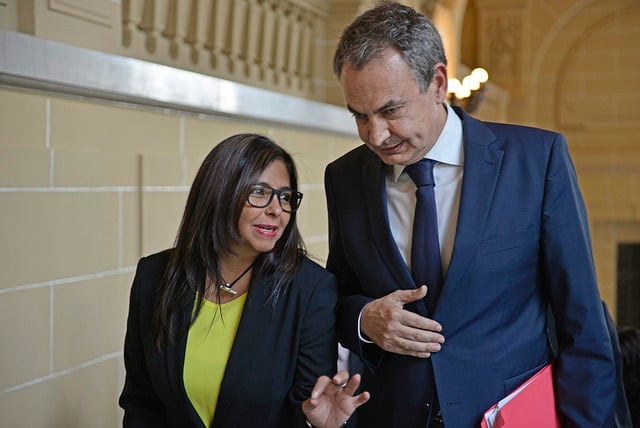
Those were turbulent times. It was November 2024 and Nicolás Maduro was holed up inside Miraflores Palace, the Venezuelan presidential residence. When any foreign leader hinted to him that it might be time to leave power, he answered with a single word: “Never.” The police and intelligence services under his command detained thousands of people who had taken to the streets to protest the electoral fraud that Chavismo had perpetrated in plain view of the world. Protesters had pulled down bronze statues of Hugo Chávez across the country. Prisons were overflowing. The nation was on the brink of rebellion or a bloodbath — or both.
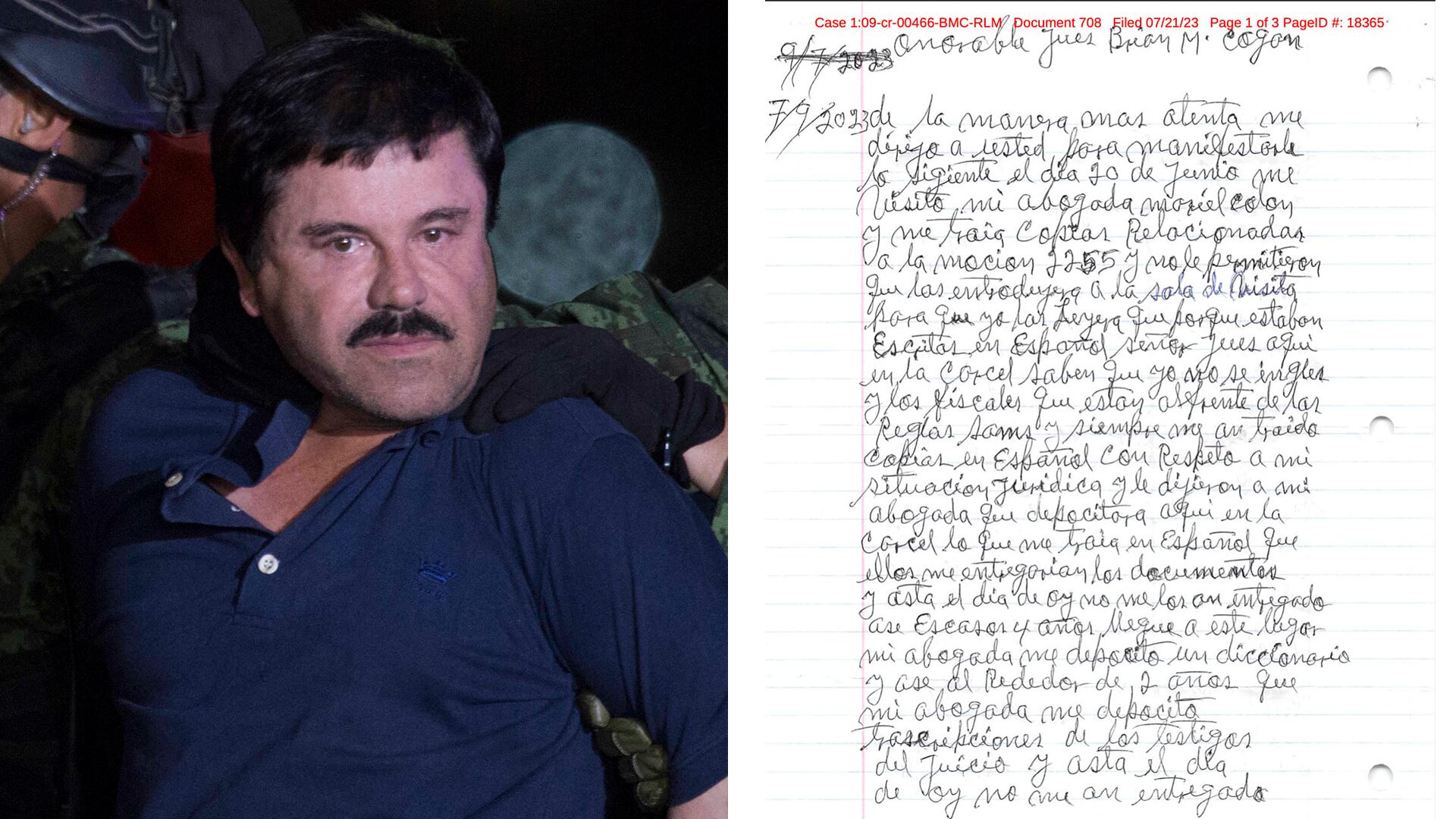
There are two Joaquín Guzmáns. One, known as “El Chapo,” rose to become the world’s biggest drug trafficker. He was feared by his rivals and by the authorities. He spilled the blood of anyone who crossed his path. It didn’t matter if they were members of a rival cartel, or innocent civilians.
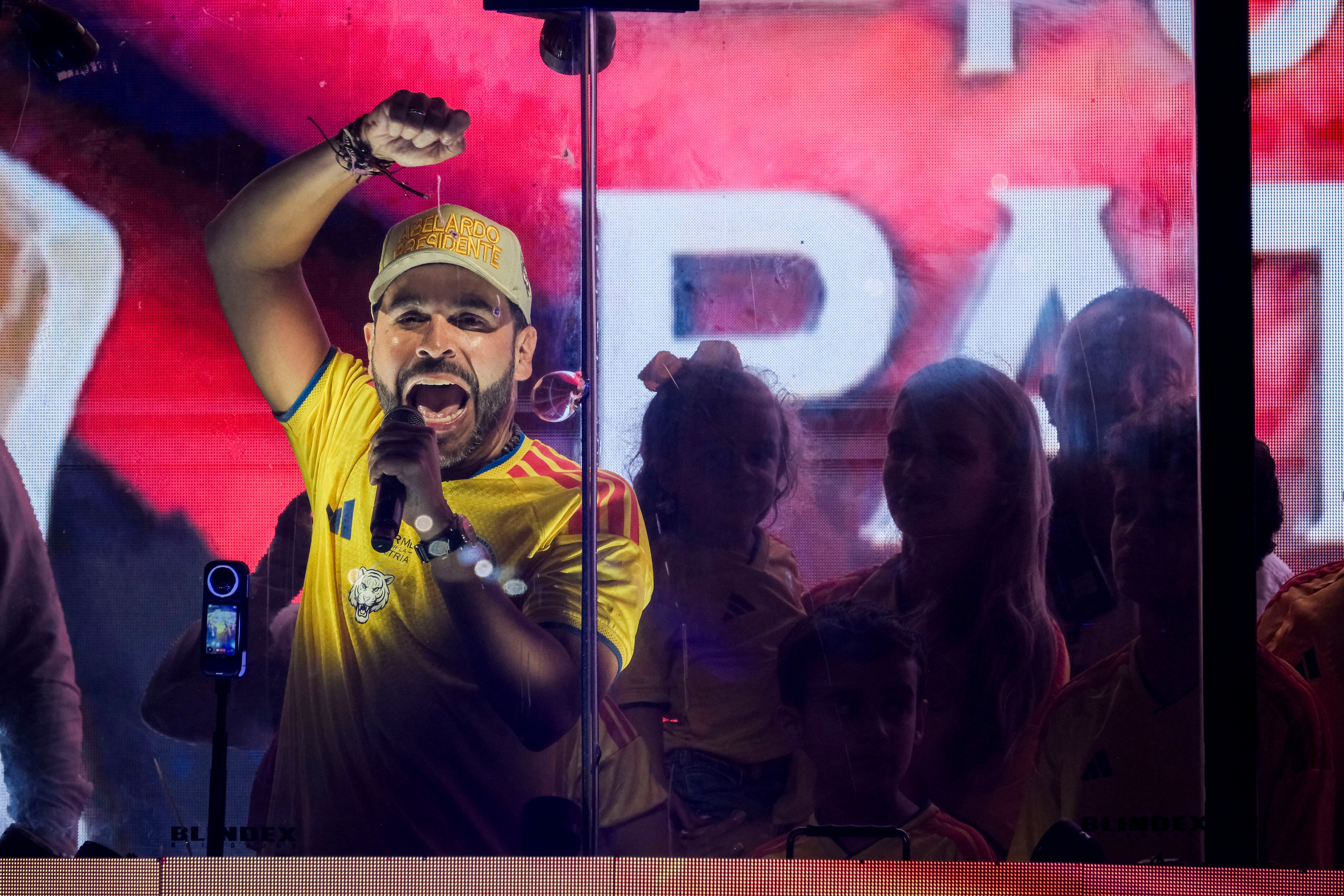
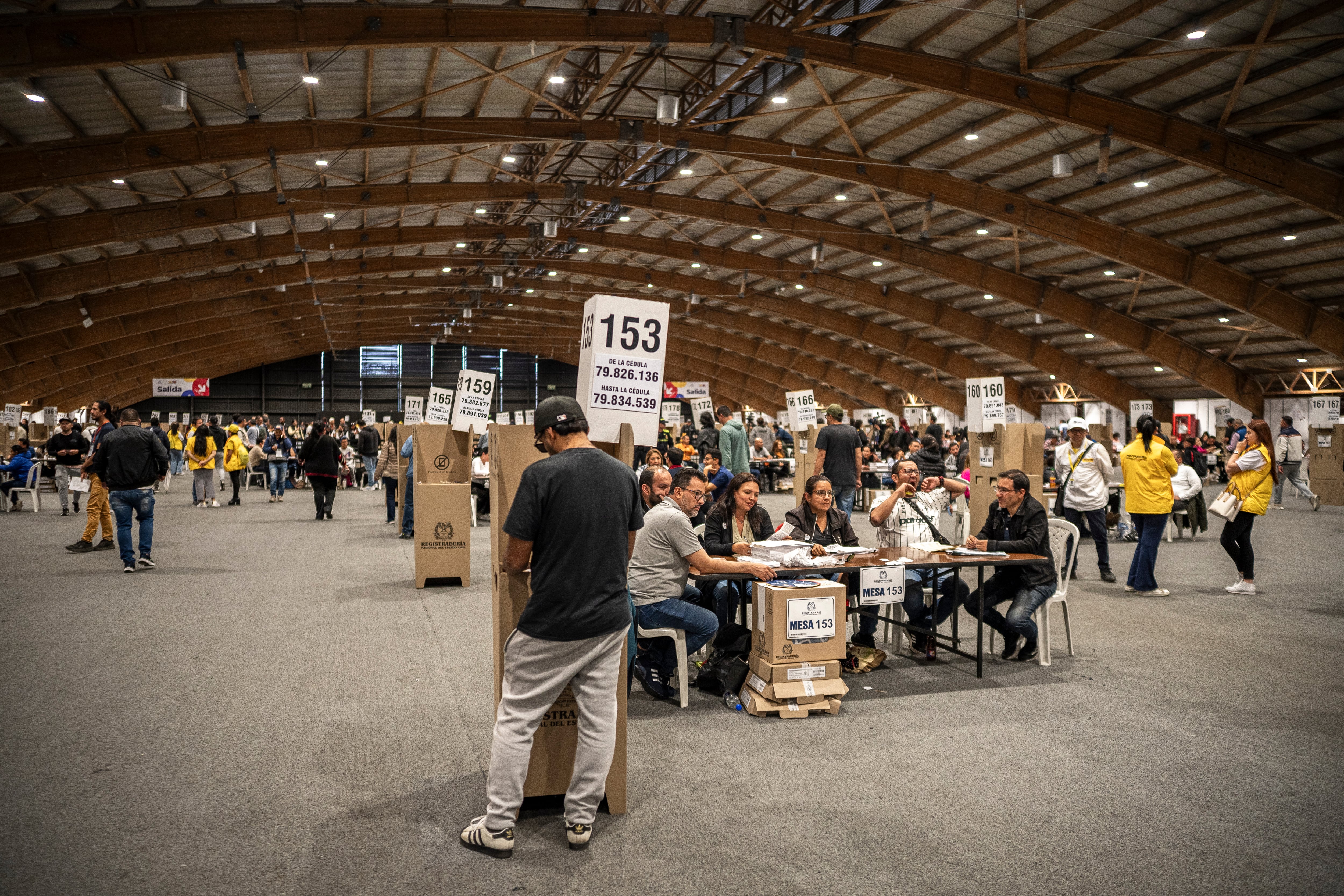
Abelardo de la Espriella surprised many with his first-round victory in Colombia with 44% of the vote. The leader in the polls had consistently been left-wing senator Iván Cepeda, with the far-right candidate appearing in second place. However, those polls showed Cepeda hovering around 40% of voter intention — and he received just that. They also reflected a significant rise for the far-right candidate in recent weeks, as well as a loss of appeal for traditional right-wing candidate Paloma Valencia. In those surveys the two of them together polled roughly between 35% and 40% of voting intention. In the end, De la Espriella reached 44% and Valencia managed only 6%.
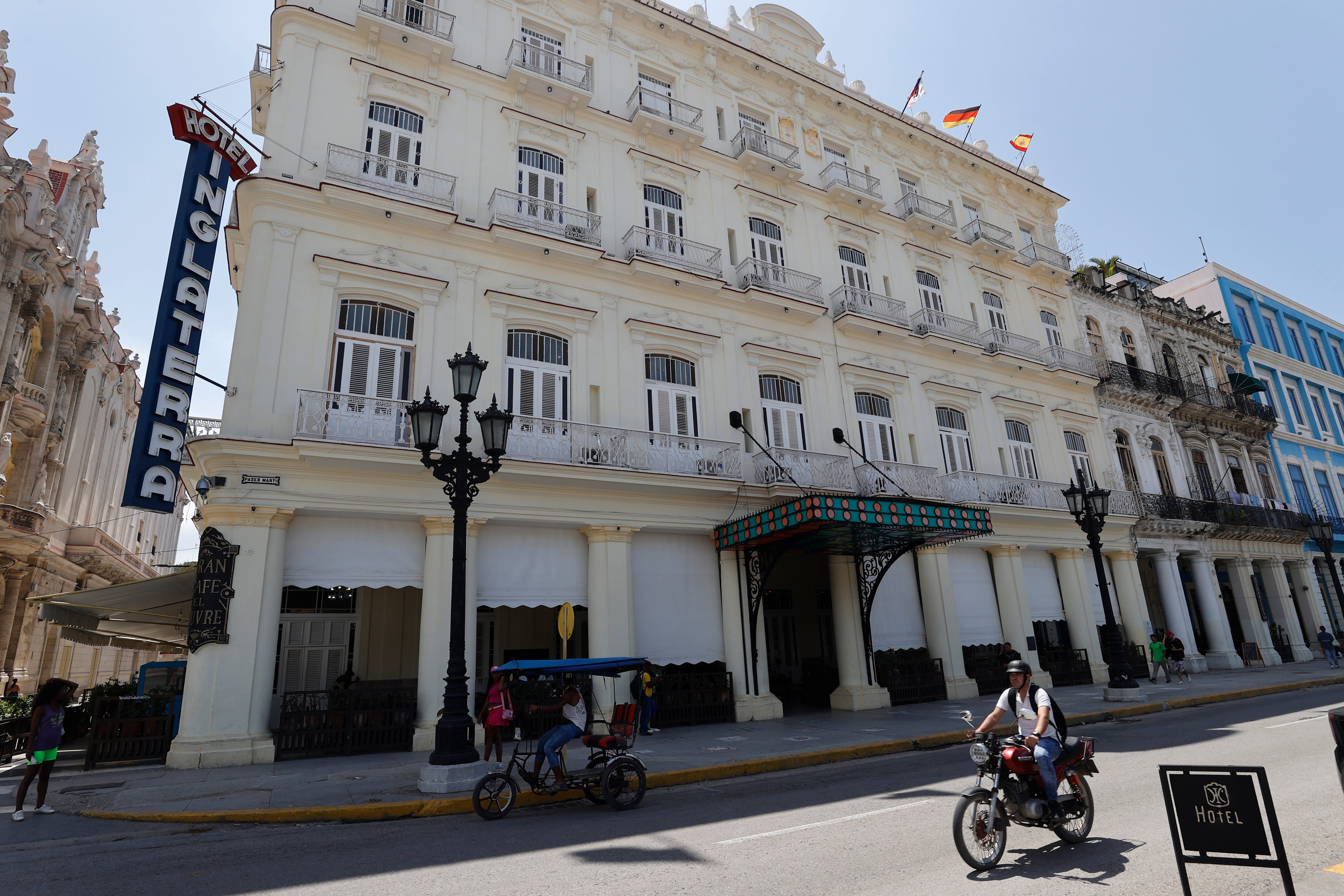
The clock keeps ticking. The United States waits patiently after its latest checkmate against Cuba. The move has shaken a country that is already held together by pins, plunged into a severe crisis that has only worsened this year as economic strangulation by Washington intensifies. And all of this is unfolding in the shadow of a possible military intervention. Adding to this climate of extreme tension is an ultimatum: Friday, June 5, 2026. That is the date when a White House executive order of May 1 will take effect. The order threatens to freeze the assets on U.S. soil of any foreign companies or individuals that are still doing business with the Cuban regime.
A massive railway project, The Simandou corridor, in Guinea is cutting through one of West Africa’s most important ecosystems. The Simandou corridor is fragmenting forests that are home to the largest population of endangered western chimpanzees, putting their survival at risk. But why is this massive railway project being built? Deep within Guinea’s forests lie the world’s largest untapped iron ore deposits, and they require infrastructure to enter the global supply chain. However, as tracks slice through the rainforest, wildlife is pushed into smaller, isolated areas, making survival harder than ever.This article was originally published on Mongabay
Abelardo de la Espriella’s unexpected victory over Iván Cepeda on Sunday, in the first round of Colombia’s presidential election, shows that right‑wing voters are now almost entirely united behind the penal lawyer, while left‑wing voters are fully consolidated behind the senator. The 653,000‑vote margin the far-right candidate held over the senator seems small in an election where 24 million people cast a vote and more than 3 million voted for other candidates. The challenge for the runoff would appear to be persuading those voters — but given the candidates’ profiles and recent history, the path necessarily also runs through the mobilization of people who did not go to the polls on Sunday.
When a Cuban person on the island wants to refer to “those in charge,” they lightly tap their shoulder with two fingers. The subtle gesture, shaped by nearly seven decades of censorship, is a reference to the epaulet of a military uniform. In Cuba, people do not speak of the government or the party (the Communist Party of Cuba, the only legal one), but rather of the “country’s leadership.” It is a euphemism that points to the real political and economic power: the Revolutionary Armed Forces (FAR).
Since finding out that I’d be writing this article, every time I mentioned that 20 years have passed since the premiere of Marie Antoinette, people’s reaction has been the same. “It can’t have been that long ago,” they say, their faces full of terror and shock, whether they saw the film in theaters or are among those who have discovered it much after the fact via Tumblr, Pinterest or TikTok.

 Login
Login