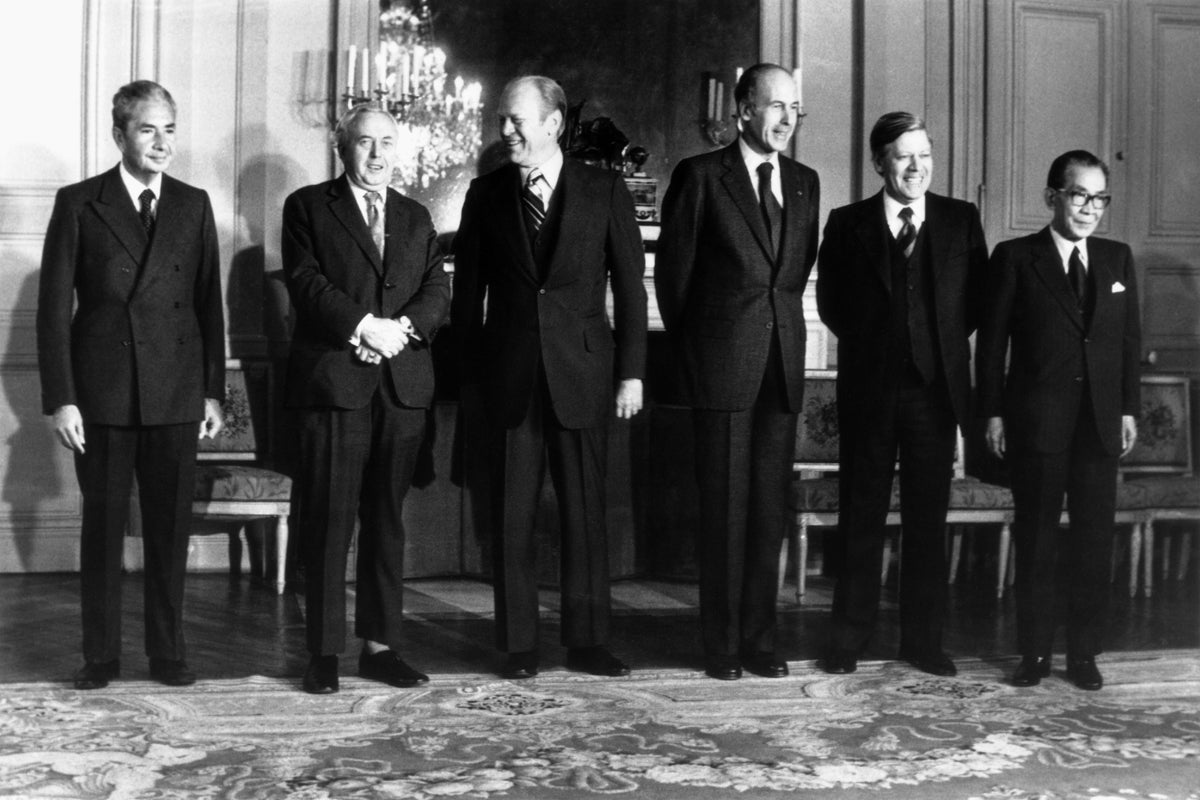
AP Was There: 1975 summit at French castle plants seed for future G7 club of wealthy nations

© 1975 AP


© 1975 AP
WASHINGTON (AP) — President Donald Trump said Friday that a “swift and lethal kinetic” U.S. strike has killed Héctor Rusthenford Guerrero Flores, whom he called “the infamous leader” of the Tren de Aragua gang.
Tren de Aragua has been labeled by the United States as a terrorist organization. Guerrero Flores was charged in a New York federal court with racketeering conspiracy and other crimes, including lending support to terrorists in crimes that stretched more than a decade, authorities announced in December.
Defense Secretary Pete Hegseth posted on X that the strike occurred earlier in the week on a Tren de Aragua compound in Venezuela.
U.S. Attorney Jay Clayton said at the time that the gang is responsible for countless acts of violence, extortion and drug trafficking in North America, South America and Europe. Trump nominated Clayton on Thursday to be director of national intelligence.
The U.S. State Department had offered rewards of up to $5 million for information leading to Guerrero Flores’ arrest.
In a post on his social media site, Trump wrote, “Tren de Aragua terrorists no longer have safe haven in Venezuela or anywhere else and, under my leadership, we will find these vicious murderers and drug lords anytime, anyplace, and send them to the depths of hell where they belong.” Trump’s post referred to Guerrero Flores by his alias, “Niño Guerrero.”
The post also included unclassified video, shot from above, of a small building with a green roof exploding.
Hegseth said, “The operation underscores the shared U.S. and Venezuelan commitment to take the fight to narco-terrorists and deny them any safe haven in our hemisphere.”
Venezuela’s government released a statement confirmed its participation in the operation and revealed it took place in the southeastern state of Bolivar.
“During the operation, clashes occurred with members of criminal groups, resulting in the death of Héctor Rusthenford Guerrero Flores, alias ‘Niño Guerrero,’ the leader of one of these criminal organizations,” according to the statement.
The mineral-rich state, which borders Brazil and Guyana, is home to large illegal mining operations long controlled by gangs and other actors who mine with the consent — and to the benefit — of officials and the military.
Trump has taken a series of extraordinary actions against the gang, including a series of strikes on small boats his administration has accused of smuggling drugs to America. At least 207 people have been killed in boat strikes by the U.S. military in the eastern Pacific Ocean and Caribbean Sea since the Trump administration began targeting those it calls “narcoterrorists” in early September.
Trump and administration officials have consistently blamed Tren de Aragua for being at the root of the violence and illicit drug dealing that plague some U.S. cities. The president spent months repeating the claim — contradicted by a declassified U.S. intelligence assessment — that Tren de Aragua had operated under Venezuelan President Nicolás Maduro’s control. The U.S. whisked Maduro out of Venezuela to face U.S. drug charges in January.
Tren de Aragua originated more than a decade ago at an infamously lawless prison with hardened criminals in Venezuela’s central state of Aragua. The gang has expanded in recent years as millions of Venezuelans migrated to other Latin American countries or the U.S. in search of better living conditions.
Guerrero Flores returned to the prison in Aragua for murder and other convictions in 2013, when Venezuela’s crisis began as corruption, mismanagement and a drop in crude prices wrecked the oil-dependent economy. Guerrero Flores and a few other inmates saw a profitable opportunity as the government neglected prisons.
They assumed control and administration of the prison, establishing a system that controlled the entire inmate population through force and extortion. Over time, they transformed the facility into a sort of city that included a zoo, baseball field, casino and restaurants. Guerrero Flores had his own lavish suite.
The size of the gang is unclear. Countries with large populations of Venezuelan migrants, including Peru and Colombia, have accused the group of being behind a spree of violence in the region. Still, unlike other criminal organizations from Colombia, Central America and Brazil, Tren de Aragua has no large-scale involvement in smuggling cocaine across international borders, according to InSight Crime, a think tank that tracks crime across Latin America.
In Venezuela, gang leaders have long been known to participate in various illegal activities, including gold mining and drug trafficking.
The legal mining of gold and other minerals is a component of the Trump administration’s phased plan to turn the crisis-wrecked country around. In March, U.S. Secretary of the Interior Doug Burgum told reporters during a visit to Venezuela that the government of acting President Delcy Rodríguez was giving security assurances to mining companies interested in investing in the South American country.
Trump campaigned for a second term promising to crack down on immigration and crime. While polls show his favorability ratings have sagged on his handling of the economy, immigration remains Trump’s strongest issue, according to the AP-NORC Center for Public Affairs Research.
The post Trump says U.S. strike killed leader of Tren de Aragua gang with help from Venezuela appeared first on MS NOW.
Leo's Iberia charter, due to take him back to Rome after a weeklong visit to Spain, was grounded by a technical problem Friday, prompting Spain's king to offer his private jet instead.
(Image credit: Vatican Media via AP)
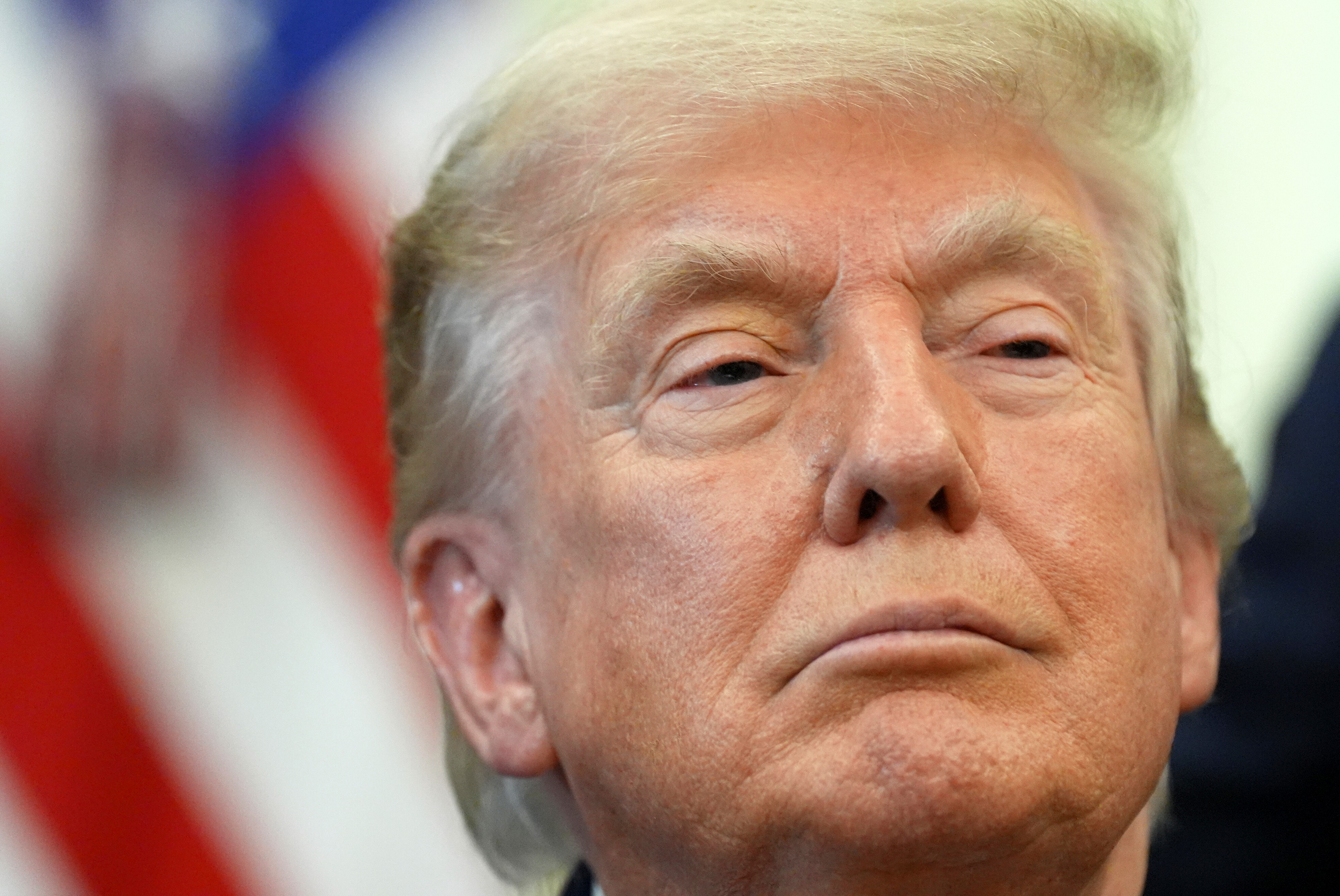
President Trump said Friday that a U.S. strike has killed Hector Rusthenford Guerrero Flores, whom he called "the infamous leader" of the Tren de Aragua gang in Venezuela.
(Image credit: Jacquelyn Martin)
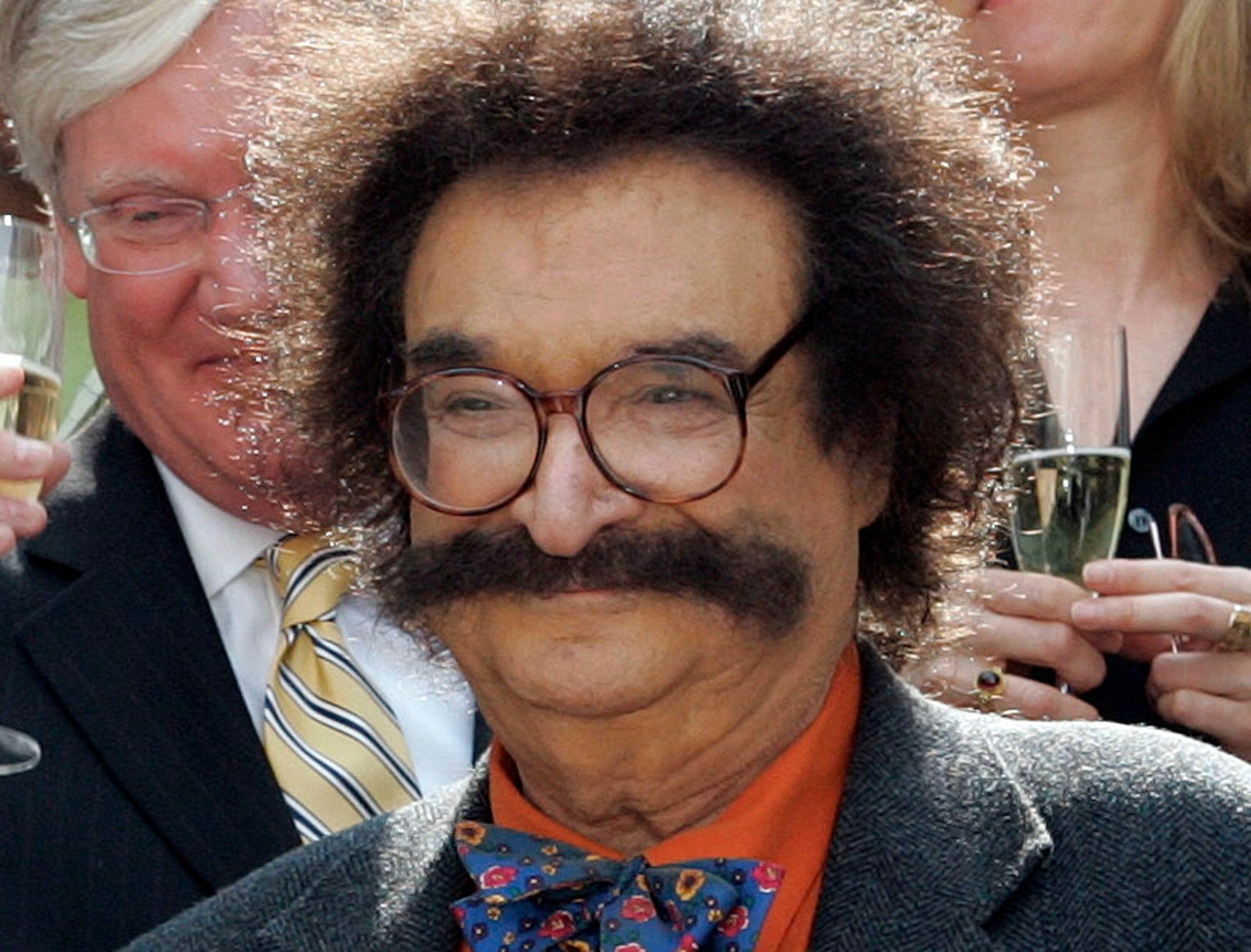
Known for his puffy hair, oversized handlebar mustache and a love for puns, Gene Shalit joined Today in 1970 and became arts editor in 1973. He was a middle-of-the-road critic, known for his wit and intelligence.
(Image credit: Richard Drew)
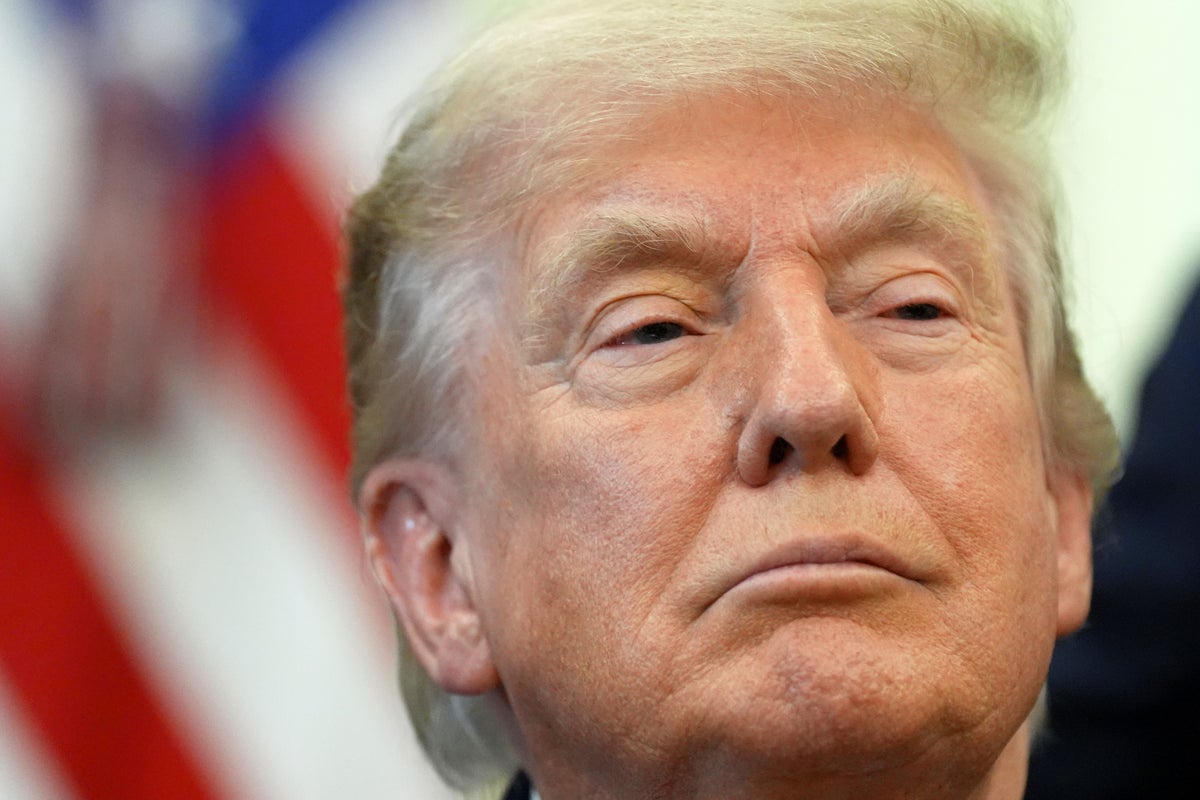
Workers began removing President Trump's name from the facade of the Kennedy Center early Saturday, hours after a court-ordered Friday deadline to remove references to Trump from the building.
(Image credit: Cliff Owen)
A look at everyday moments across countries, cultures and communities worldwide. This is a photo gallery curated by AP photo editors.

© Copyright 2026 The Associated Press. All rights reserved.
Workers on Saturday began removing President Donald Trump’s name from the facade of the Kennedy Center, after a federal judge struck down a last-ditch attempt by the board to keep Trump’s name on the building.
Scaffolding was erected Friday around a section of the building that includes Trump’s name, but shortly after midnight, the Kennedy Center asked a judge to extend the deadline until noon Eastern Time on Saturday because of thunderstorms that had swept through the Washington area, causing a delay.
In the filing, the Kennedy Center offered assurance that the “removal work is presently ongoing” and would “conclude in the early hours of the morning.”
A few hours later, workers began covering the scaffolding with tarps before they eventually started taking down Trump’s name. They packed up and left the site around 3:30 a.m., though the tarps remained, leaving it impossible to determine if all the letters had been removed.
Dozens of people spent hours Friday on the plaza in front of the Kennedy Center taking pictures and cheering occasionally as they broke into chants of “take it down.” Rep. Joyce Beatty, D-Ohio, an ex-officio board member who sued to have Trump’s name removed from the building, was spotted at one point on the plaza.
On Friday, U.S. District Judge Christopher Cooper denied the Trump administration’s request to issue a stay on his May 29 ruling while an appeal plays out. Cooper wrote that the center had already taken steps to comply with that ruling by removing Trump’s name from some of its branding ahead of the Friday, June 12 deadline.
“These efforts undermine the notion that Defendants face irreparable harm in complying with the order in full,” Cooper wrote.
The judge had previously ruled that the Kennedy Center board of trustees — whose members were handpicked by Trump and who subsequently named him chair of the board — cannot unilaterally change the center’s name.
“Congress gave the Kennedy Center its name, and only Congress can change it,” Cooper wrote.
The Trump administration also filed an appeal with the D.C. Circuit Court of Appeals on Thursday. The court did not take action.
Trump had railed against Cooper’s decision, calling the judge “crooked” and threatening to remove his involvement in the organization.
In the days that followed, the Kennedy Center’s Office of General Counsel issued notices to staff to refer to the organization by its original name. Trump’s name was dropped from the Kennedy Center website and in its communications to members.
A June 4 memo to staff from the Kennedy Center’s Office of General Counsel said email signatures, letterhead and other documents must reflect the name as “The John F. Kennedy Center for the Performing Arts” or “Kennedy Center.”
The post Workers begin removing Trump’s name from Kennedy Center after last-minute bid to fight ruling appeared first on MS NOW.

© Copyright 2025 The Associated Press. All rights reserved.

The World Cup is drawing attention to soccer's growing popularity in Canada. Soccer has surpassed hockey and all other sports in youth participation, according to a recent report by Jumpstart, a Canadian charity. Canada coach Jesse Marsch said Thursday he has "felt a real momentum behind this team and behind this moment."
(Image credit: Stephanie Scarbrough)


© Copyright 2022 The Associated Press. All rights reserved.
President Trump's board at the Kennedy Center is mounting a last-minute effort to keep his name on the facade of the performing arts facility before a court-ordered deadline to remove it by Friday.
(Image credit: Rod Lamkey)
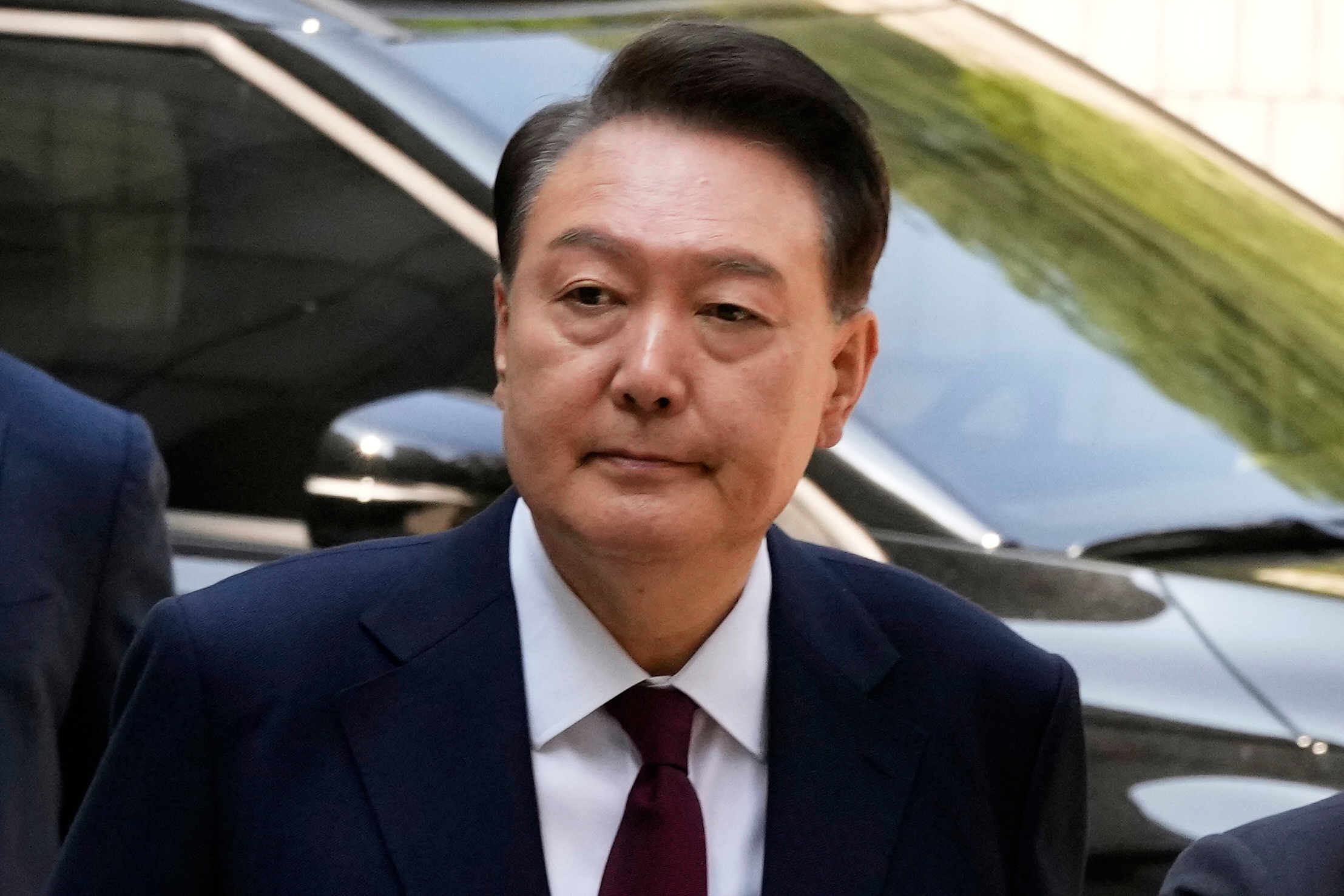
South Korea's ousted President Yoon Suk Yeol and his former defense minister were sentenced to 30 years in prison Friday in a case alleging Yoon ordered drone flights over Pyongyang in 2024 to heighten tensions with North Korea and justify declaring martial law at home.
(Image credit: Ahn Young-joon)

June 5 — 11, 2026

© Copyright 2026 The Associated Press. All rights reserved.
Around the world, soccer fans are gathering in homes, stadium plazas, and public viewing venues to watch the World Cup and share in the excitement of the tournament.

© Copyright 2026 The Associated Press. All rights reserved
WASHINGTON (AP) — President Donald Trump’s handpicked board at the Kennedy Center is mounting a last-minute effort to keep his name on the facade of the iconic performing arts facility before a court-ordered deadline to remove it by Friday.
The board voted on Thursday to seek a stay of U.S. District Judge Christopher Cooper’s May 29 ruling that said Trump’s name was illegally added to the Kennedy Center, according to a person familiar with the move who requested anonymity to discuss a private meeting. The formal stay will be filed on Friday, the person said.
Cooper ruled that only Congress could institute a change to the Kennedy Center’s name and ordered references to Trump be removed by Friday. He also blocked the administration from closing the cultural and arts venue for major renovations that had been planned to start in July and last for two years.
The board move marks a shift from a June 4 memo to staff from the Kennedy Center’s Office of General Counsel saying email signatures, letterhead and other documents must reflect the name as “The John F. Kennedy Center for the Performing Arts” or “Kennedy Center.”
The Kennedy Center’s website has dropped the president’s name. And an email earlier this week sent to members offering ticket packages for the June 28 Mark Twain Award for American Humor ceremony came from the Kennedy Center without including Trump’s name.
After ignoring the Kennedy Center for much of his first term, Trump has wielded tremendous influence over the venue during his return to office. Just a month into his second term, he ousted the center’s previous leadership and replaced it with a hand-picked board of trustees that named him chairman. He brought in Richard Grenell to serve as president, a position he held until March when Matt Floca assumed the role.
The center’s lineup has included more Trump-friendly programming, serving as the venue for events such as the premiere of first lady Melania Trump’s documentary, “Melania.”
The board also announced it had renamed the facility the Trump Kennedy Center, a change scholars and lawmakers say must be initiated by Congress, and physically added the president’s name to the building’s facade.
The fallout from the arts community was swift and intense. Actor Issa Rae, musician Bela Fleck and author Louise Penny were among the numerous artists who withdrew from appearances, while consultants such as musician Ben Folds and singer Renée Fleming resigned. Earlier this month, the executive director of the National Symphony Orchestra, Jean Davidson, left to head the Los Angeles-based Wallis Annenberg Center for the Performing Arts.
In addition to voting on the stay on Thursday, the board backed a resolution recognizing Trump’s “commitment to uphold this cherished American institution.”
The post Kennedy Center board seeks delay of ruling on removal of Trump’s name by Friday deadline appeared first on MS NOW.
June 5 - 11, 2026 This photo gallery, curated by photo editor Anita Baca, highlights some of the most compelling images worldwide published by The Associated Press in the past week.

© Copyright 2026 The Associated Press. All rights reserved
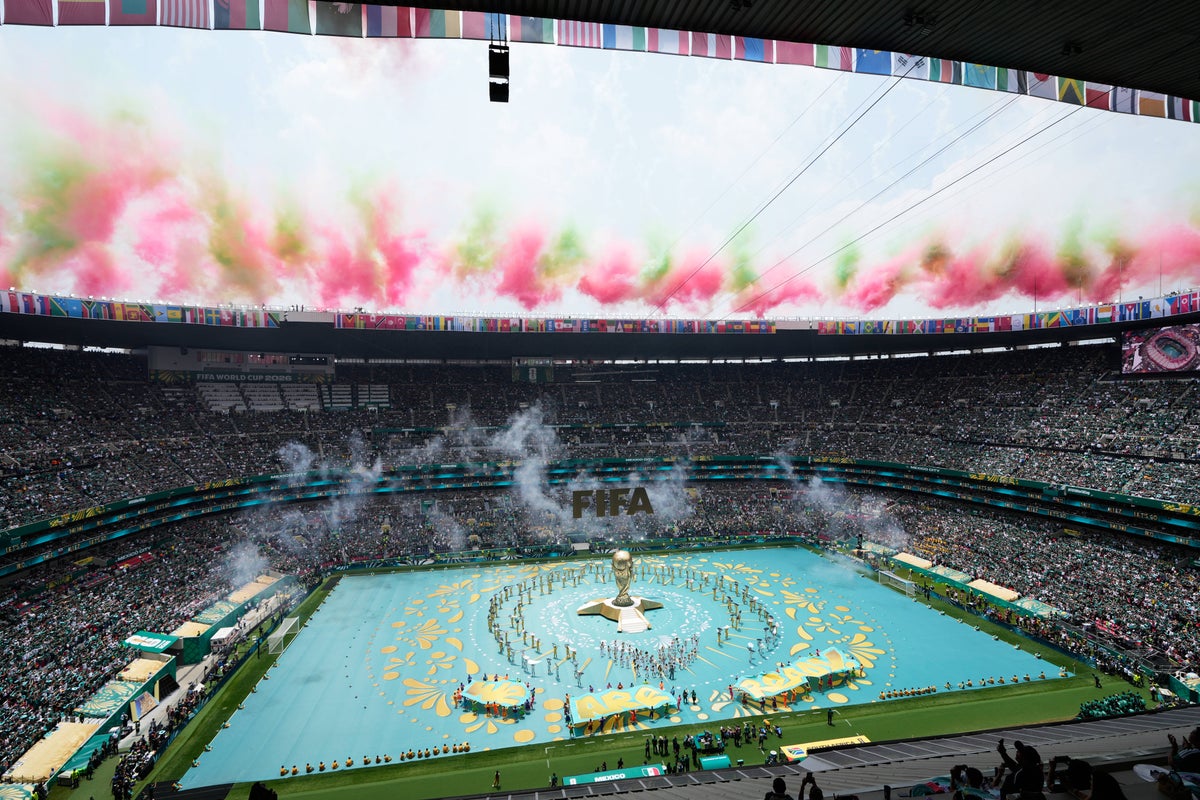
A star-studded opening ceremony featuring Shakira, Burna Boy and J Balvin kicked off the 2026 World Cup before a crowd of more than 80,000 at the revamped Azteca Stadium in Mexico City. Mexico opened the 48-team tournament against South Africa as the competition began amid escalating protests and social tensions in the capital.

© Copyright 2026 The Associated Press. All rights reserved.
The reboot highlights a dire problem for the country's nuclear program. Japan is running out of space to store spent nuclear fuel and lacks plans for radioactive waste disposal.
(Image credit: Toru Hanai/Bloomberg)
DUBAI, United Arab Emirates (AP) — The U.S and Iran traded strikes for a second day, pushing the Middle East closer to the resumption of a full-scale war.
The American attack, which lasted into Thursday morning in Iran, appeared more intense and wider than the day before, but Tehran released little information on the extent of the damage. An Indian official said a U.S. attack on an oil tanker allegedly trying to violate Washington’s blockade on Iranian ports killed three Indian mariners, underscoring the danger to seafarers.
It was the third time this week that back-and-forth strikes have rattled the Middle East. The first involved attacks between Iran and Israel, followed by the two rounds of fire between the U.S. and Iran, which hit countries in the region that host American bases.
The new exchange of fire came as efforts to negotiate an end to the war appeared stuck, with U.S. President Donald Trump warning that Tehran would “pay the price” for stalled negotiations. Iran’s Foreign Ministry said in a statement Thursday that the U.S. attacks had “effectively rendered the ceasefire … meaningless,” without saying it was abandoning it.
Central to the negotiations is Iran’s stranglehold on the Strait of Hormuz, which has disrupted global energy supplies, driven up fuel prices and made food and other basics more expensive well beyond the region.
Iran announced Thursday that the strait was closed — but it was unclear what that meant since it has severely restricted traffic through the waterway since early in the war and only a trickle of ships have gotten through. The U.S. military’s Central Command disputed the claim — and Trump said Wednesday that the U.S. has undertaken a secret mission in recent weeks to sneak ships through the passage.
The two sides also remain at odds over Iran’s nuclear program, which Tehran insists is peaceful but which the U.S. and Israel fear could be used to build an atomic weapon due to its stockpile of highly enriched uranium. The U.S. and Israel said a major reason they went to war on Feb. 28 was to ensure that Iran would never be able to do that.
Central Command said its latest round of airstrikes came “in response to Iran’s unwarranted and continued aggression” and targeted “Iranian military surveillance capabilities, communication systems and air defense sites.” It did not elaborate on the damage done by the strikes, which it said ended just before sunrise Thursday in Iran.
Explosions from the strikes echoed around Iran’s capital, as well as the port city of Bandar Abbas and other southern areas along the Strait of Hormuz. Iran’s paramilitary Revolutionary Guard later said sites hit included a manufacturing complex, a military barracks and a local Guard base outside of Tehran.
Iran said it fired back at Kuwait, Bahrain and Jordan, as it had a day before.
Kuwait closed its airspace for several hours because of the attack, but did not elaborate on any damage. Jordan said it intercepted 20 Iranian missiles fired toward an area that is home to a base hosting U.S. troops, though no one was hurt.
Bahrain’s Interior Ministry said an 11-year-old girl was hurt and cars and homes were damaged by debris from interceptions responding to the Iranian attack.
Meanwhile, Israel warned residents in the country’s north to seek shelter after the detection of suspected incoming fire from Lebanon, where Israel is fighting the Iran-allied Hezbollah militant group.
Iran’s ability to control the Strait of Hormuz has proved a strong bargaining chip since the narrow waterway’s effective closure has severely disrupted the global economy.
Trump said Wednesday that the U.S. military has undertaken a mission since last month to sneak oil shipments past Iran’s forces in the strait, aided by the destruction of Iranian radar equipment.
Trump said as a result more than 100 million barrels of oil have evaded Iran’s chokehold. There was no immediate confirmation of that figure, which equals roughly five days of oil shipments through the waterway before the war began.
But the seas remain dangerous for mariners. Indian Ports, Shipping and Waterways Minister Sarbananda Sonowal announced on X that three Indians missing after the American attack on the tanker Settebello had been killed. The U.S. military’s Central Command had accused the Settebello of having “violated the ongoing blockade by attempting to transport oil from Iran.” American forces fired into the ship’s engine room to stop it Wednesday.
The leader of the International Maritime Organization, a United Nations agency, condemned the attack.
Another tanker near where the Settebello was struck off Oman experienced a fire in its engine room on Thursday, according to the British military’s United Kingdom Maritime Operations center. It wasn’t immediately clear what sparked the blaze.
Trump suggested earlier this week that an agreement with Iran could be close — but the exchanges of fire have called that into question, and big differences remain.
The U.S. wants to see Iran give up its stockpile of highly enriched uranium, which is a short technical step from weapons-grade levels.
Iran is refusing to give up the uranium and demanding relief from sanctions. It also wants the release of frozen assets even before a final agreement is in place, something Trump rejected.
Iran has insisted that any deal to end the war must also end fighting between its ally Hezbollah and Israel. But Israeli Prime Minister Benjamin Netanyahu appears intent on pursuing his goal of destroying the militant group.
A Qatari diplomatic delegation, negotiating in coordination with the U.S., left Tehran on Thursday morning after holding talks, according to an official with knowledge of the team who spoke on condition of anonymity to discuss the mediation. Pakistan, meanwhile, expressed deep concern over rising tensions and urged both Iran and the U.S. to adhere to the ceasefire.
The post Iran retaliates to a second day of U.S. strikes by firing at Gulf states and Jordan appeared first on MS NOW.