“La historia de África merece ser narrada con la dignidad que se le ha negado durante siglos”, escribe Joseph Nkongo, activista antirracista, en el prólogo de El latir de un continente (Plaza & Janés, 2026), el libro que acaba de publicar el camerunés Sani Ladán. Es la última frase con la que se encuentra el lector antes de sumergirse en 86 historias que tratan de abordar la inmensidad y diversidad de un continente cuyas memorias, atravesadas por la colonización, siguen siendo a menudo ignoradas por el Norte Global.
In a huge warehouse in Geel, Belgium, $9.7 million in contraceptives have been locked up since early 2025. Some 77% of the shipment from the United States Agency for International Development (USAID) was destined for about 10 African countries, including Kenya, Nigeria, the Democratic Republic of Congo and Mali. But when Donald Trump’s administration dismantled the world’s largest development aid organization, these medicines were left stranded, destined either to be destroyed or to expire box by box. About 5,800 miles south of Belgium, in Nairobi, the capital of Kenya, Jane Anyongo, Violet Mosomi, Salma Kamau, and hundreds of thousands of women are still waiting for their pills, condoms, subdermal implants, intrauterine devices, and other sexual and reproductive health supplies.
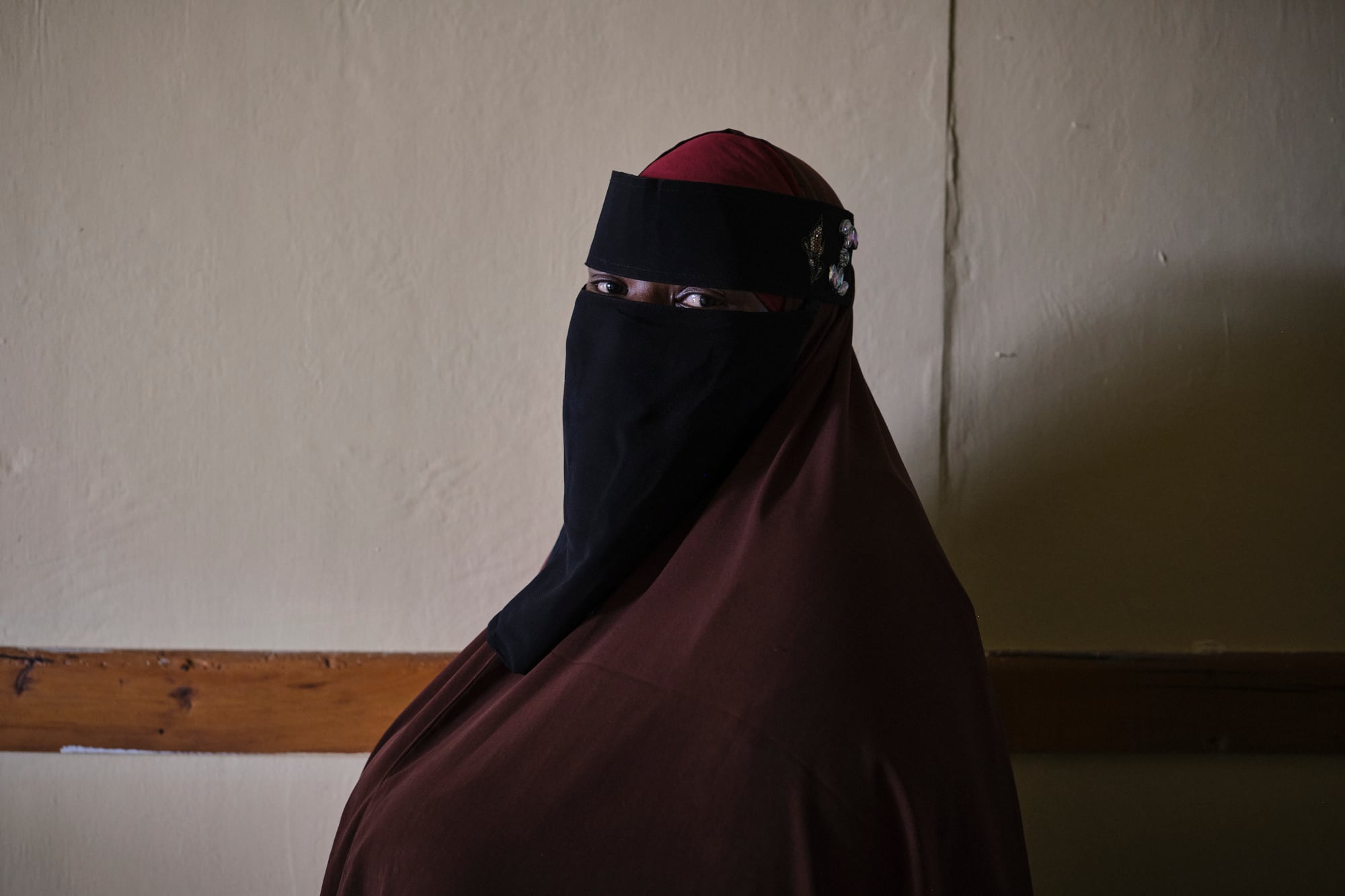
Salma* (32, Nairobi) is another woman affected by the shortage of contraceptives in Kenya. She wants to switch to a copper IUD, but there isn’t enough stock at the Njiru health center.

 Login
Login