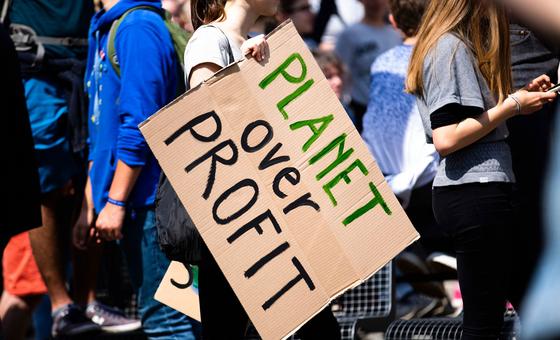
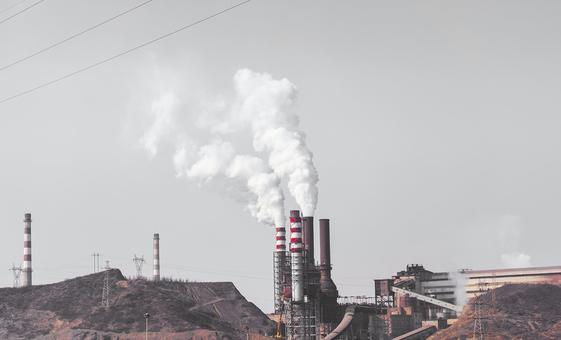
The United Nations climate chief called on Monday for countries to step up action to implement existing commitments, warning that fossil fuel dependency is deepening economic instability and exposing vulnerable communities to worsening climate impacts.
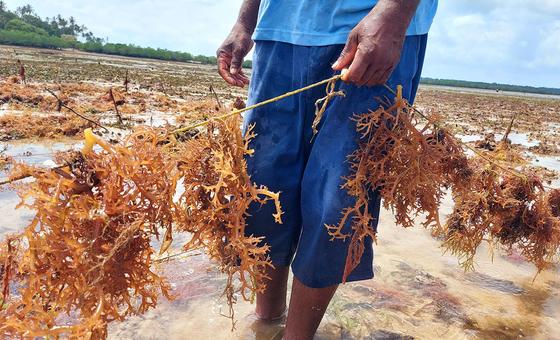
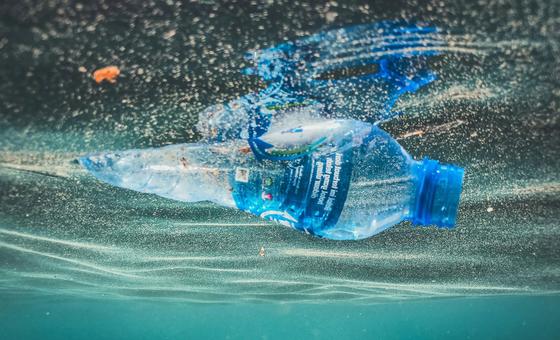
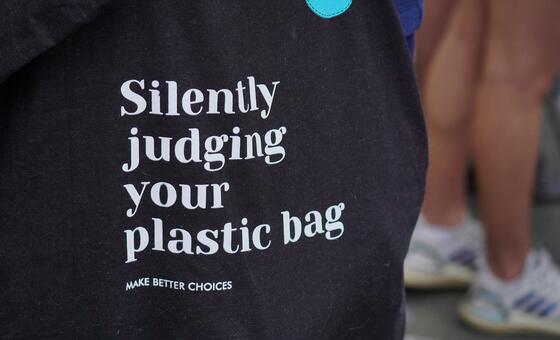
Plastic pollution is choking the ocean, but sustainable alternatives - including seaweed - remain held back by tariffs, fragmented regulations and the overwhelming market advantage enjoyed by fossil fuel-based plastics.
The ocean covers more than 70 per cent of the planet and regulates climate, sustains biodiversity, and supports economies and cultures worldwide. It’s the foundation of life on Earth.
From surgical gloves to water bottles, shopping bags and chewing gum, every part of our daily lives includes plastic. They epitomise convenience – their durability makes our dependence on them inextricable, but it also stifles the environment.
When US and Israeli forces launched strikes on Iran on 28 February, triggering one of the most serious geopolitical crises in years, the Strait of Hormuz – a narrow channel just 34 kilometres wide at its narrowest point – became a global flashpoint overnight.
Artificial Intelligence is not only responsible for worrying amounts of earth-warming greenhouse gases: the technology's environmental footprint is also expanding at a pace that could strain the planet’s natural resources.
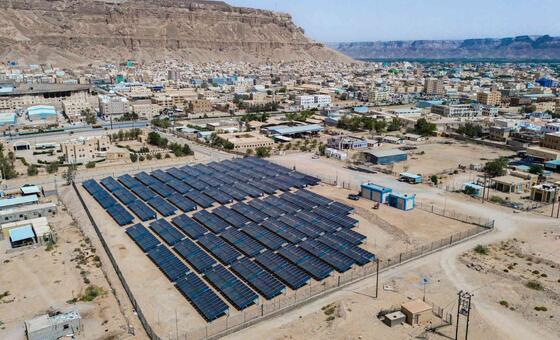
Across the Middle East, countries facing severe energy access challenges are turning to renewables to power essential infrastructure, from hospitals to schools and street lighting.
UN High Commissioner for Human Rights Volker Türk called on Thursday for greater protection for environmental and land defenders, noting that hundreds worldwide have been killed or detained in recent years.
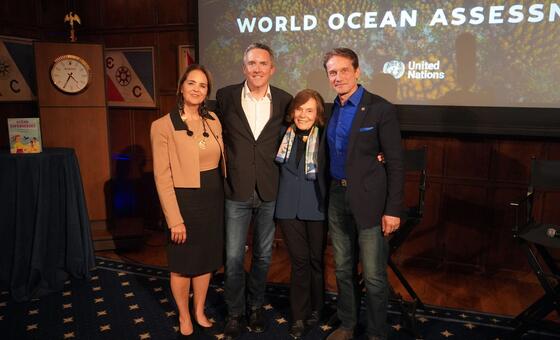
In the wood-panelled rooms of New York’s storied Explorers Club, where portraits of pioneering adventurers line the walls, diplomats, scientists and ocean advocates gathered on Tuesday evening with a shared sense of urgency – and anticipation.
The UN urged all countries on Tuesday to bolster early warning systems after confirming the onset of El Niño, warning that the Pacific Ocean-warming phenomenon will bring above-average temperatures “nearly everywhere” and fuel more extreme weather.
The world is heading into another period of dangerous heat, a new UN report warns on Thursday, and it’s nearly certain global temperatures over the next five years will stay “at or near record levels” as climate change accelerates across land and sea.
A landmark General Assembly resolution adopted on Wednesday is “a powerful affirmation” of international law, climate justice and science, according to UN chief António Guterres.
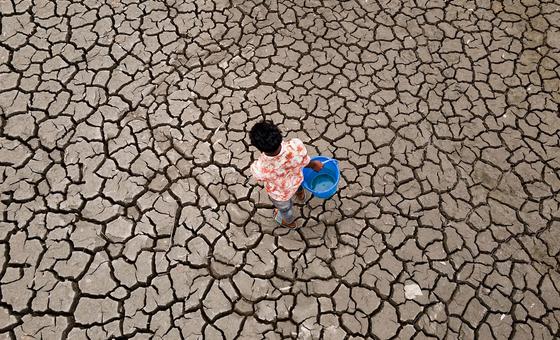
Record-breaking temperatures, deadly floods, worsening drought and intensifying hurricanes are placing millions of people across Latin America and the Caribbean at growing risk of hunger, displacement and water shortages, according to a new report from the World Meteorological Organization (WMO).
Recycled plastics could help reduce the world’s growing waste crisis, but only if food packaging is carefully regulated to prevent contamination, according to a new analysis from the UN Food and Agriculture Organization (FAO).
More than 150,000 people have been affected by Tropical Cyclone Maila, the latest storm in the Pacific area, which continues to drive what the UN relief coordination office OCHA has described as “significant humanitarian needs” across the Solomon Islands.
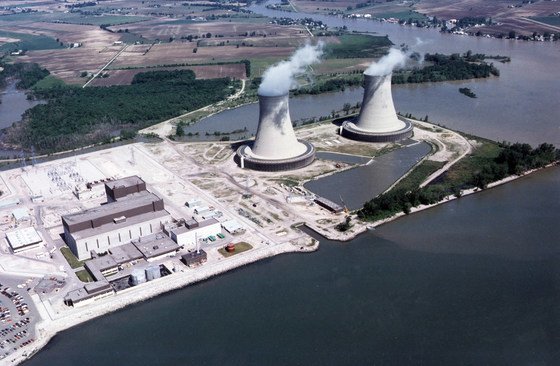
As global electricity demand grows, so does the popularity of nuclear energy. In the Middle East, several countries are evaluating or advancing nuclear power projects, balancing weighty issues such as regional security, climatic conditions and international cooperation.
Did you know that millions of birds may be migrating silently overhead right now as you read this – and you don’t even need to leave the house to see them?
As oil prices have risen amid geopolitical turmoil, one perhaps overlooked driver of climate change is coming into sharper focus: the production of plastics which are deeply tied to fossil fuels.
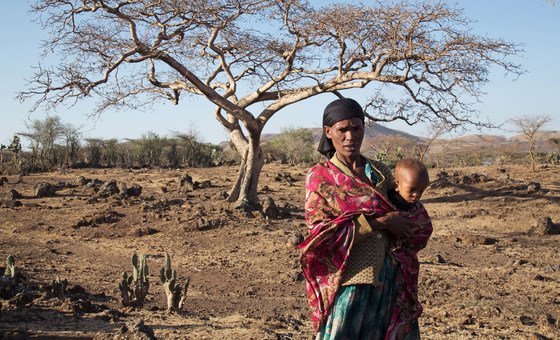
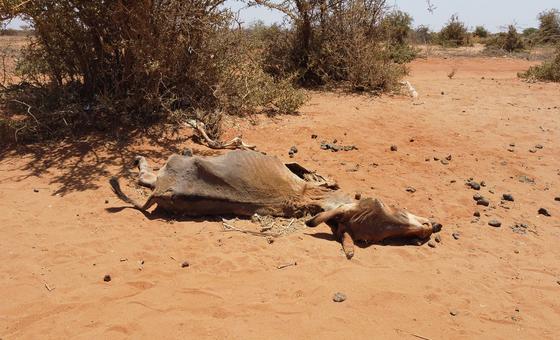
In Somalia’s Puntland region, dried out watering holes, animal carcasses and old pots filled with ash have become part of the landscape as worsening drought conditions deepen a growing hunger crisis.
New data shows record heatwaves from the Mediterranean to the Arctic last year, with glaciers shrinking and snow cover declining, according to the UN World Meteorological Organization (WMO).

 Login
Login