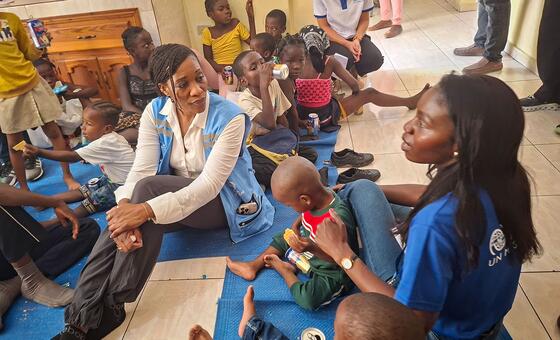
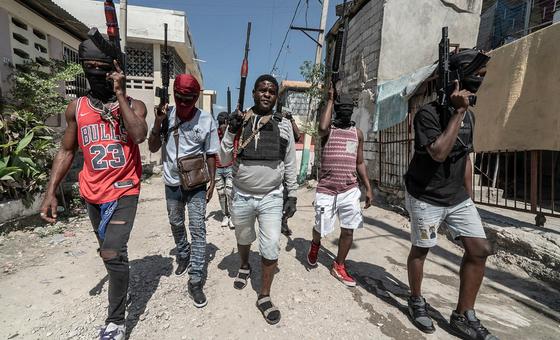
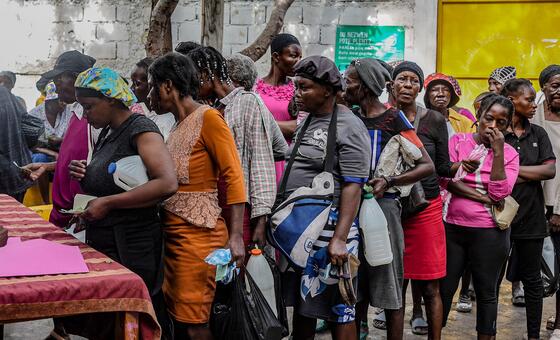
As gangs continue to “terrorise” communities in Haiti, children are the ones paying the highest price, the UN Special Representative for Children and Armed Conflict warned on Thursday.
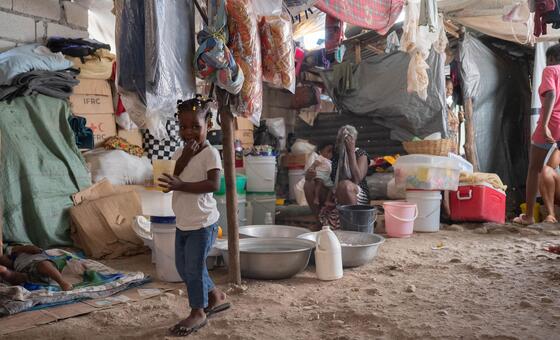
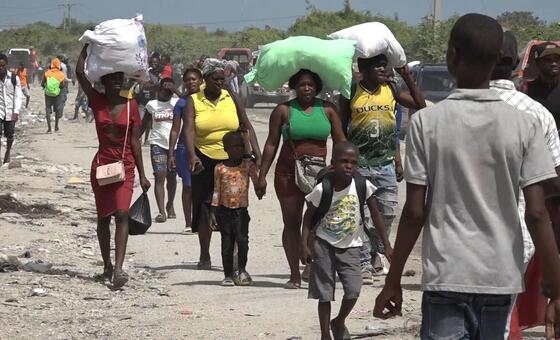
Around 30,000 people have had to flee their homes in the Haitian capital Port-au-Prince and surrounding areas following a new wave of violent attacks and atrocities perpetrated by armed gangs over the past ten days.
Record-breaking temperatures, deadly floods, worsening drought and intensifying hurricanes are placing millions of people across Latin America and the Caribbean at growing risk of hunger, displacement and water shortages, according to a new report from the World Meteorological Organization (WMO).
Hospitals across Cuba are suspending surgeries, struggling to keep lifesaving equipment running and facing severe medicine shortages as blackouts and fuel shortages push the country’s healthcare system deeper into crisis, senior UN officials warned on Friday.
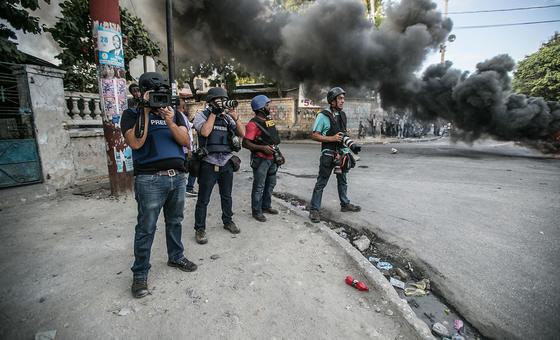
Journalists working in Haiti are under constant threat of death or injury from rapidly expanding criminal gangs, as they continue to report news and information which they hope will help keep fellow citizens safe.
Mexican authorities must intensify efforts to end impunity, protect journalists and human rights defenders, and address the country’s “painful” crisis of disappearances, UN human rights chief Volker Türk has said.
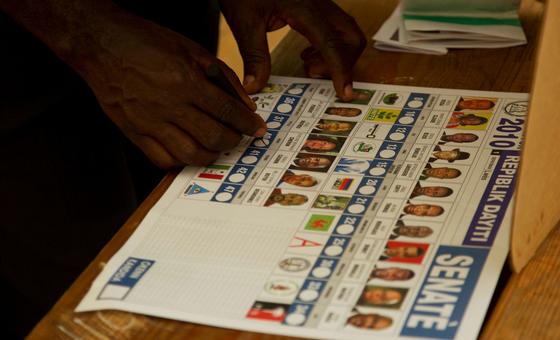
The Security Council is addressing the deepening crisis in Haiti on Thursday, centered on the Secretary-General’s latest report which highlights a security landscape of both intensified enforcement and rising civilian risk. While operations including by the UN-backed Gang Suppression Force (GSF) between December and February resulted in the deaths of 1,343 suspected gang members, the humanitarian cost remains staggering. The UN Special Representative told ambassadors elections are the “only legitimate path” back to political stability, while his counterpart with the GSF said its success depends on “effective coordination”. Follow full meetings coverage below.
While hope for peace is alive in Colombia as the country prepares for presidential elections, the Security Council on Tuesday heard that achieving it – and making it last – still requires the full implementation of a peace accord signed almost 10 years ago.
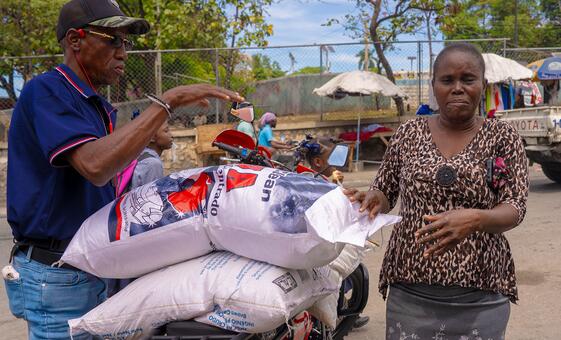
5.8 million Haitians, or roughly 52 per cent of the population, are facing crisis levels of food insecurity, or worse. Of those, more than 1.8 million are dealing with emergency levels, which means they are exhausting their last assets and unable to meet even basic food needs.
Six weeks since war erupted in the Middle East, the shockwaves have spread to the Caribbean region, already pushed to the brink, amid fears of a looming El Niño-linked climate disaster.
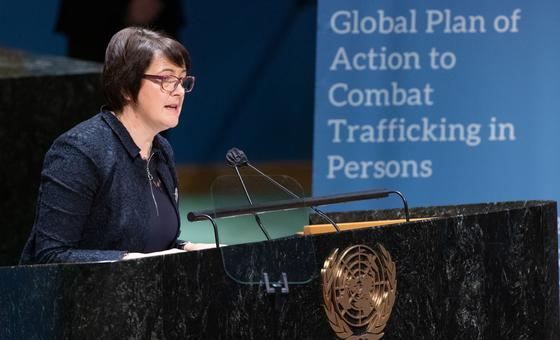
UN independent human rights experts called on Thursday for justice and accountability for young women and girls who were trafficked systematically as part of allegations contained in the so-called Epstein files.
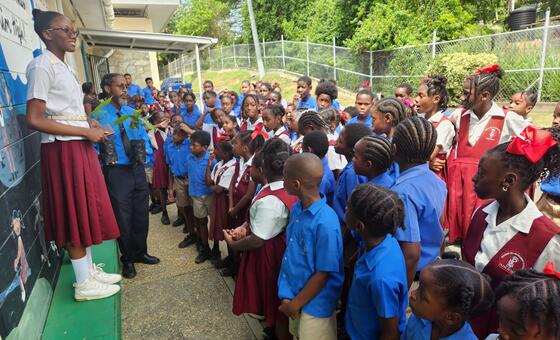
Six-time Trinidad and Tobago archery champion, Anthurium Lewis, has told UN News how sport helped her overcome age barriers in environmental advocacy and how in the future it can contribute to reaching globally agreed poverty and sustainability goals.
Katerine Avella is a former combatant in Colombia’s decades-long civil war, a peace signatory and a community leader. After the guns fell silent, she created the fashion brand Ixora but, with violence returning to the region, Ms. Avella is now focusing on trying to keep the project afloat in the face of new challenges.
Haiti is facing “one of the most severe and rapidly deteriorating humanitarian crises in the Western Hemisphere,” a senior UN aid official warned on Friday, underscoring the need for continued global attention to alleviate suffering there.
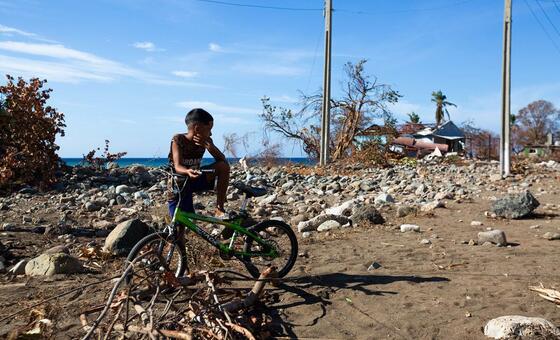
The UN has issued an urgent call for international support as Cuba grapples with a ‘worsening’ humanitarian crisis fuelled by a prolonged energy blockade and the lingering devastation caused by Hurricane Melissa last year.
Deadly gangs in Haiti are expanding their reach to include control over key sea and road routes as police in the beleaguered Caribbean island nation are being accused of using “unnecessary and disproportionate lethal force and summary executions.”
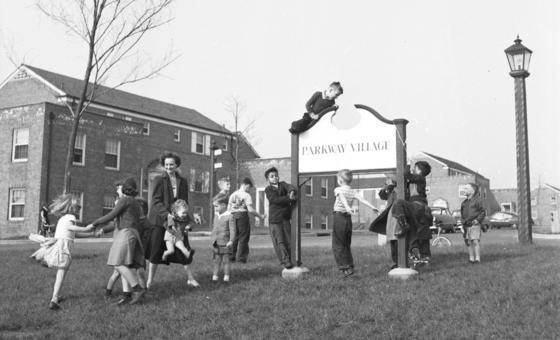
At a time when some state laws dictated where different races could live, Parkway Village, built to house some of the first UN staff in New York in 1947, led the way in eliminating racially segregated housing in the United States.
Haiti remains mired in a multidimensional crisis marked by weak institutions, political uncertainty, widespread gang violence and overwhelming humanitarian needs, but a recent new agreement by political groups offers “a moment of hope and progress for the Haitian people”, according to the UN’s most senior official in the Caribbean country.
The liberation of territory from gangs and a more “motivated and visible” police presence has provided a “glimmer of hope” for Haiti as the Caribbean island nation continues to struggle with violence, insecurity and poverty.
Venezuela’s repressive State apparatus remains operational despite the seizure of former President Nicolás Maduro by United States forces on 3 January, according to independent UN human rights investigators.

 Login
Login